catmint
Nepeta · Accepted scientific name
Scientific literature: Very Sparse (49 studies) · ★☆☆☆☆
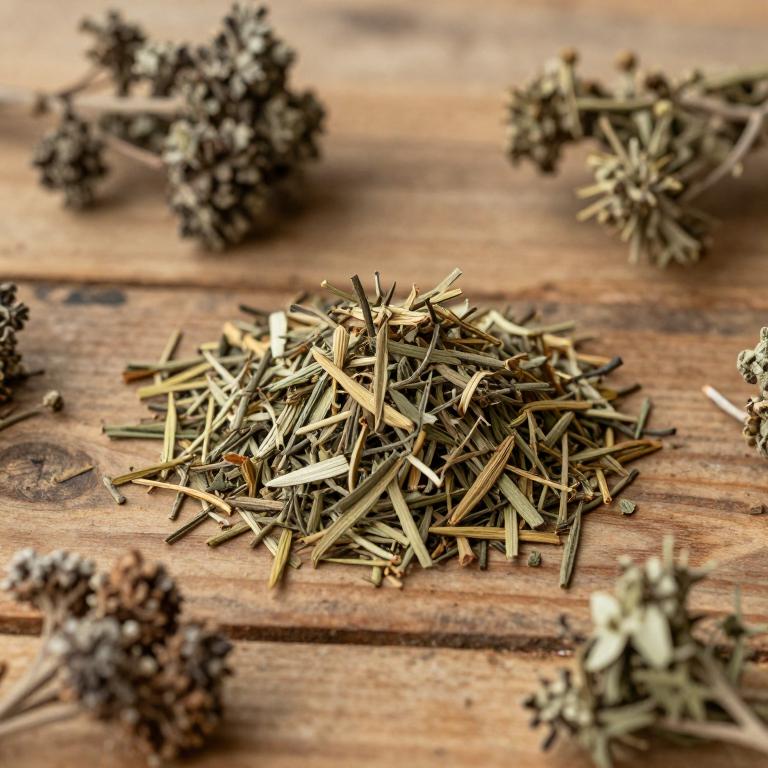
Catmint, scientifically known as Nepeta, is a versatile perennial herb cherished in both gardens and traditional medicine. Belonging to the mint family, it is famous for its aromatic foliage and soothing properties. Often used to reduce anxiety and promote sleep, this resilient plant offers both beauty and therapeutic benefits.
Names and Synonyms
Common Names
- catmint
- Catnip
- catmints
Scientific Names
Accepted name
NepetaSynonyms
- Cataria
- Schizonepeta
- Phyllophyton
- Saccilabium
- Vleckia
- Pseudolophanthus
- Marmoritis
- Oxynepeta
- Hymenocrater
- Pitardia
- Saussuria
- Afridia
Regional and Traditional Names
Spanish:
- Hierba del gato
- menta gatera
German:
- Katzenminzen
- Katzenminze
- Katzenminzen
French:
- Népétas
- Cataire
Sources: Wikidata, Catalogue of Life
Taxonomical Classification
This plant belongs to the kingdom Plantae within the phylum Streptophyta and the class Equisetopsida. It is further classified under the subclass Magnoliidae and the order Lamiales, falling into the family Lamiaceae. Ultimately, the medicinal species is categorized under the genus Nepeta.
| Rank | Classification |
|---|---|
| Kingdom | Plantae |
| Phylum | Streptophyta |
| Class | Equisetopsida |
| Subclass | Magnoliidae |
| Order | Lamiales |
| Family | Lamiaceae |
| Genus | Nepeta |
Sources: The World Checklist of Vascular Plants (WCVP)
Distribution
This plant is naturally distributed across several regions within Northern Europe. It can be found growing in the landscapes of Denmark and Finland. Additionally, its presence extends to the territory of Great Britain. The species is also well-documented throughout Norway. Finally, it completes its regional range within the borders of Sweden.
| Region | Area |
|---|---|
| Northern Europe | Denmark |
| Northern Europe | Finland |
| Northern Europe | Great Britain |
| Northern Europe | Norway |
| Northern Europe | Sweden |
| Middle Europe | Austria |
| Middle Europe | Belgium |
| Middle Europe | Czechia-Slovakia |
| Middle Europe | Germany |
| Middle Europe | Hungary |
Sources: The World Checklist of Vascular Plants (WCVP)
Chemicals
Nepeta has 17 reported phytochemicals identified across 0 scientific publications and several other databases. The most consistently reported chemicals include 1,8-Cineole, Cirsimaritin, Flavonoids, Gallic acid, Germacrene D.
| Chemical | Supporting sources | Consensus |
|---|---|---|
| 1,8-Cineole | 1 supporting sources | ★☆☆☆☆ |
| Cirsimaritin | 1 supporting sources | ★☆☆☆☆ |
| Flavonoids | 1 supporting sources | ★☆☆☆☆ |
| Gallic acid | 1 supporting sources | ★☆☆☆☆ |
| Germacrene D | 1 supporting sources | ★☆☆☆☆ |
| Iridoid Aglycones | 1 supporting sources | ★☆☆☆☆ |
| Iridoids | 1 supporting sources | ★☆☆☆☆ |
| Linalool | 1 supporting sources | ★☆☆☆☆ |
| OLEANOLIC ACID | 1 supporting sources | ★☆☆☆☆ |
| STIGMASTEROL | 1 supporting sources | ★☆☆☆☆ |
1,8-Cineole
- Journal of ethnopharmacology
Cirsimaritin
- Journal of ethnopharmacology
Flavonoids
- Pharmaceutical biology
Gallic acid
- Journal of ethnopharmacology
Germacrene D
- Journal of ethnopharmacology
Iridoid Aglycones
- Journal of integrative plant biology
Iridoids
- Journal of integrative plant biology
Linalool
- Journal of ethnopharmacology
OLEANOLIC ACID
- Journal of ethnopharmacology
STIGMASTEROL
- Journal of ethnopharmacology
Activities
Nepeta has 11 reported activities identified across 0 scientific publications and several other databases. The most consistently reported activities include Antimicrobial, Antioxidant, Analgesic, Anticancer, Anticonvulsant.
| Activity | Supporting sources | Consensus |
|---|---|---|
| Antimicrobial | 4 supporting sources | ★★☆☆☆ |
| Antioxidant | 4 supporting sources | ★★☆☆☆ |
| Analgesic | 2 supporting sources | ★☆☆☆☆ |
| Anticancer | 1 supporting sources | ★☆☆☆☆ |
| Anticonvulsant | 1 supporting sources | ★☆☆☆☆ |
| Antidepressant | 1 supporting sources | ★☆☆☆☆ |
| Antidiabetic | 1 supporting sources | ★☆☆☆☆ |
| Antifungal | 1 supporting sources | ★☆☆☆☆ |
| Antiparasitic | 1 supporting sources | ★☆☆☆☆ |
| Cytotoxic | 1 supporting sources | ★☆☆☆☆ |
Antimicrobial
- Plants (Basel, Switzerland)
- Phytotherapy research : PTR
- Journal of ethnopharmacology
- Pharmaceutical biology
Antioxidant
- Plants (Basel, Switzerland)
- Phytotherapy research : PTR
- Journal of ethnopharmacology
- Pharmaceutical biology
Analgesic
- Plants (Basel, Switzerland)
- Phytotherapy research : PTR
Anticancer
- Pharmaceutical biology
Anticonvulsant
- Phytotherapy research : PTR
Antidepressant
- Phytotherapy research : PTR
Antidiabetic
- Pharmaceutical biology
Antifungal
- Journal of ethnopharmacology
Antiparasitic
- Pharmaceutical biology
Cytotoxic
- Plants (Basel, Switzerland)
Conditions
Nepeta has 14 reported investigations on conditions identified across 0 scientific publications and several other databases. The most consistently reported conditions include asthma, bronchitis, chicken pox, coughs, dermatitis.
| Condition | Supporting sources | Consensus |
|---|---|---|
| Asthma | 1 supporting sources | ★☆☆☆☆ |
| Bronchitis | 1 supporting sources | ★☆☆☆☆ |
| Chicken pox | 1 supporting sources | ★☆☆☆☆ |
| Coughs | 1 supporting sources | ★☆☆☆☆ |
| Dermatitis | 1 supporting sources | ★☆☆☆☆ |
| Gastritis | 1 supporting sources | ★☆☆☆☆ |
| Infections | 1 supporting sources | ★☆☆☆☆ |
| Inflammation | 1 supporting sources | ★☆☆☆☆ |
| Influenza | 1 supporting sources | ★☆☆☆☆ |
| Malaria | 1 supporting sources | ★☆☆☆☆ |
Asthma
- Journal of ethnopharmacology
Bronchitis
- Medicines (Basel, Switzerland)
Chicken pox
- Journal of ethnopharmacology
Coughs
- Journal of ethnopharmacology
Dermatitis
- Medicines (Basel, Switzerland)
Gastritis
- Medicines (Basel, Switzerland)
Infections
- Medicines (Basel, Switzerland)
Inflammation
- Medicines (Basel, Switzerland)
Influenza
- Journal of ethnopharmacology
Malaria
- Journal of ethnopharmacology
Preparations
Nepeta has 2 reported preparations identified across 0 scientific publications and several other databases. The most consistently reported preparations include essential oil, extract.
| Preparation | Supporting sources | Consensus |
|---|---|---|
| Essential oil | 1 supporting sources | ★☆☆☆☆ |
| Extract | 1 supporting sources | ★☆☆☆☆ |
Essential oil
- Pharmaceutical biology
Extract
- Pakistan journal of biological sciences : PJBS