Nepeta nervosa
Nepeta nervosa · Accepted scientific name
Scientific literature: Very Sparse (2 studies) · ★☆☆☆☆
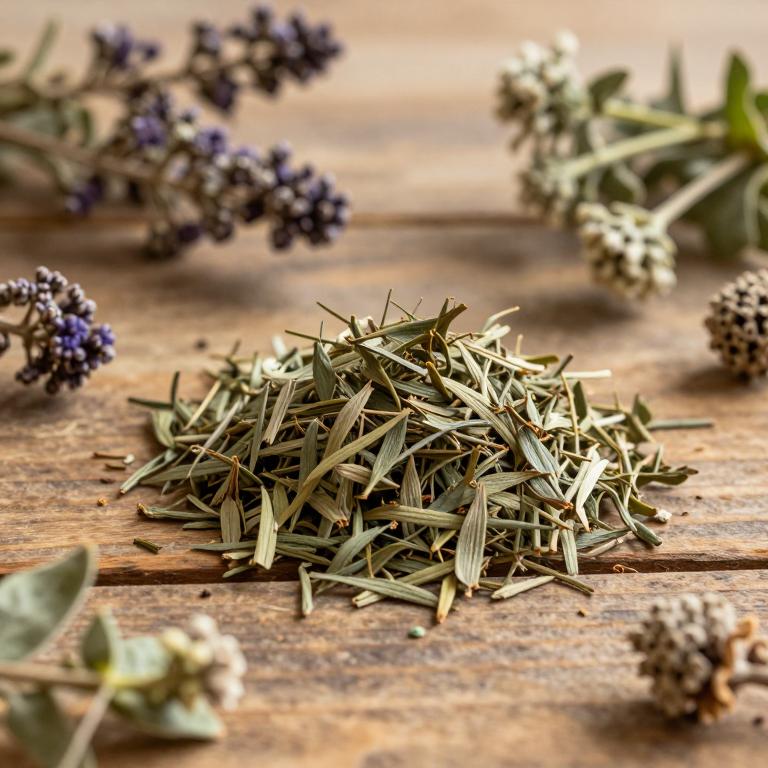
, scientifically known as Nepeta nervosa, is a charming perennial herb belonging to the Lamiaceae family. Often referred to as Nervous Catmint, this plant is prized for its delicate, serrated foliage and fragrant flowers. Beyond its ornamental appeal, it holds traditional significance in herbal medicine for its calming properties.
- Family
- Lamiaceae
- Native range
- Asia-Temperate
- Parts used
- Not available
- Common names
- Not available
- Scientific synonyms
- Glechoma Nervosa
Names and Synonyms
Scientific Names
Accepted name
Nepeta nervosaSynonyms
- Glechoma nervosa
Sources: Wikidata, Catalogue of Life
Taxonomical Classification
This plant belongs to the kingdom Plantae and the phylum Streptophyta, falling under the class Equisetopsida and subclass Magnoliidae. Within the order Lamiales and family Lamiaceae, it is classified under the genus Nepeta.
| Rank | Classification |
|---|---|
| Kingdom | Plantae |
| Phylum | Streptophyta |
| Class | Equisetopsida |
| Subclass | Magnoliidae |
| Order | Lamiales |
| Family | Lamiaceae |
| Genus | Nepeta |
Sources: The World Checklist of Vascular Plants (WCVP)
Distribution
This plant exhibits a specific geographical distribution across parts of Asia. In China, its presence is noted within the high-altitude regions of Tibet. Moving toward the Indian Subcontinent, it can be found growing in Pakistan. Furthermore, the species is also documented throughout the West Himalaya region of the Indian Subcontinent. These localized habitats define the natural range where this medicinal species thrives.
| Region | Area |
|---|---|
| China | Tibet |
| Indian Subcontinent | Pakistan |
| Indian Subcontinent | West Himalaya |
Sources: The World Checklist of Vascular Plants (WCVP)
Botanical Identification
Life history
The life history of Nepeta nervosa is characterized by its classification as a hemicryptophyte, a growth form where the perennating buds are located at the soil surface or just below it, protected by leaf litter or soil during unfavorable seasons. This life strategy allows the plant to persist through seasonal environmental shifts, utilizing its underground structures to survive dormancy before emerging with new vegetative growth. Within the broader spectrum of botanical life forms, it aligns specifically with the hemicryptophyte category, distinguishing it from phanerophytes, chamaephytes, cryptophytes, or therophytes. This specific life history pattern facilitates its ability to colonize various habitats by balancing seasonal survival with robust annual regrowth from its surface-level buds.
- Life form :
- hemicryptophyte
Morphology
The morphology of Nepeta nervosa is characterized by its growth form as a non-woody herb. It functions as an independent organism, exhibiting no parasitic behavior, and maintains a terrestrial life habit rather than being epiphytic. While it possesses a self-supporting climbing capability, it does not rely on external structures for its structural integrity, maintaining a consistent herbaceous habit throughout its development.
- Climber :
- self-supporting
- Epiphyte :
- terrestrial
- Growth form :
- herb
- Parasite :
- independent
- Woodiness :
- non-woody
Sources: Global Inventory of Floras and Traits (GIFT)
Activities
Nepeta nervosa has 2 reported activities identified across 0 scientific publications and several other databases. The most consistently reported activities include Antibacterial, Antifungal.
| Activity | Supporting sources | Consensus |
|---|---|---|
| Antibacterial | 1 supporting sources | ★☆☆☆☆ |
| Antifungal | 1 supporting sources | ★☆☆☆☆ |
Antibacterial
- Fitoterapia
Antifungal
- Fitoterapia