Nepeta nepetella
Nepeta nepetella · Accepted scientific name
Scientific literature: Very Sparse (0 studies) · ★☆☆☆☆
Nepeta nepetella is a medicinal herb frequently studied for its potential therapeutic properties against various viral pathogens. Recent scientific investigations have focused specifically on its efficacy in managing conditions caused by the Herpes Simplex Virus type 1 (HSV-1). Researchers have found that the plant's bioactive compounds can be effectively utilized through the use of aqueous extracts. These water-based preparations serve as a primary method for isolating the essential phytochemicals required for antiviral activity. Understanding these specific interactions provides valuable insight into the plant's role in natural pharmacology.
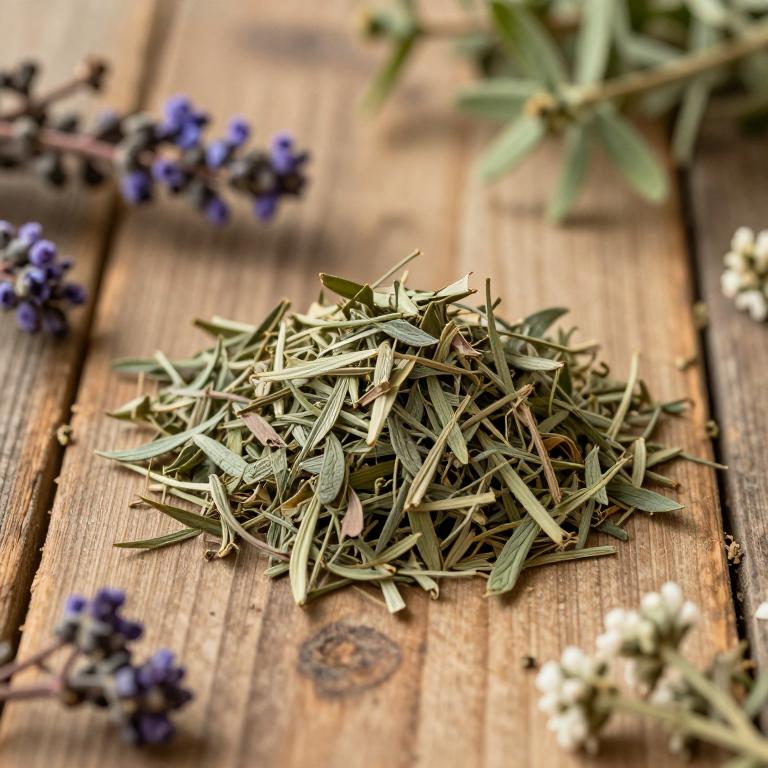
- Synonyms
- Glechoma Nepetella · Cataria Nepetella
- Common names
- Not available
- Family
- Lamiaceae
- Distribution
- Africa
- Plant Parts
- Not available
Classification
Common Names
Nepeta nepetella is a versatile plant known by a diverse array of common names across different regions. In English-speaking areas, it is most frequently referred to as Lesser Cat-mint. German speakers often identify the species as Kleine Katzenminze or iberische Katzenminze. It also carries the charming French moniker Petit nepeta, reflecting its delicate nature. Finally, it is sometimes recognized by the name Gattaia minore, showcasing the many linguistic identities this species holds.
Sources: Catalogue of Life (COL)
Synonyms
Nepeta nepetella is a botanical subject often identified by various nomenclatures within scientific literature. Because of its complex classification, the plant is frequently referred to by its synonym Cataria nepetella. Researchers and gardeners may also encounter it listed under the name Glechoma nepetella. These varying designations reflect the historical shifts in how this specific species has been categorized. Understanding these synonyms is essential for ensuring accuracy when studying or cultivating the plant.
Sources: The World Checklist of Vascular Plants (WCVP)
Taxonomy
Nepeta nepetella belongs to the vast kingdom Plantae, representing the diverse world of living vegetation. Within this expansive group, the species is categorized under the class Equisetopsida. It further descends through the order Lamiales, a group that shares specific structural characteristics. This plant is a member of the Lamiaceae family, which is well-known for its aromatic qualities. Ultimately, it is classified under the specific genus Nepeta, placing it among its close botanical relatives.
| Rank | Classification |
|---|---|
| Kingdom | Plantae |
| Phylum | Streptophyta |
| Class | Equisetopsida |
| Subclass | Magnoliidae |
| Order | Lamiales |
| Family | Lamiaceae |
| Genus | Nepeta |
Sources: The World Checklist of Vascular Plants (WCVP)
Distribution
Geographic Regions
Nepeta nepetella displays a broad and diverse geographical distribution that spans across two major continents. In Africa, this species can be found throughout Northern Africa, specifically within the regions of Algeria and Morocco. Its presence extends into Europe, where it inhabits the landscapes of Middle Europe, most notably in Germany. The plant also thrives in Southeastern Europe, with notable populations located in Italy. Furthermore, its range reaches into Southwestern Europe, making it a common sight across France.
Sources: The World Checklist of Vascular Plants (WCVP)
Identification
Morphology
Nepeta nepetella is a self-supporting herb characterized by its distinct upright growth form. This resilient plant maintains its own structure without the need for external support as it develops.
Sources: Global Inventory of Floras and Traits (GIFT)
Biological Activities
Compounds
Conditions
Nepeta nepetella exhibits clear antiviral activity against herpes simplex type I (HSV-1). This medicinal plant also demonstrates effectiveness in treating the vesicular stomatitis virus (VSV). Research into aqueous extracts from the Iberian Peninsula confirms its ability to combat both DNA and RNA viruses. Specifically, concentrations of 150-500 microg/mL were found to be effective against these pathogens. Consequently, the plant serves as a potent natural product for addressing both HSV-1 and VSV.
Preparations
Nepeta nepetella is prepared as aqueous extracts to facilitate scientific testing for medicinal properties. These specific liquid preparations were evaluated for their potential antiviral activity against various pathogens. Researchers utilized these aqueous extracts to target both DNA and RNA viruses, such as HSV-1 and VSV. By applying this extraction method, the plant's natural products could be effectively screened for biological efficacy. Consequently, the aqueous form of Nepeta nepetella proved to be a key component in identifying its antiviral capabilities.