Nepeta crispa
Nepeta crispa · Accepted scientific name
Scientific literature: Very Sparse (14 studies) · ★☆☆☆☆
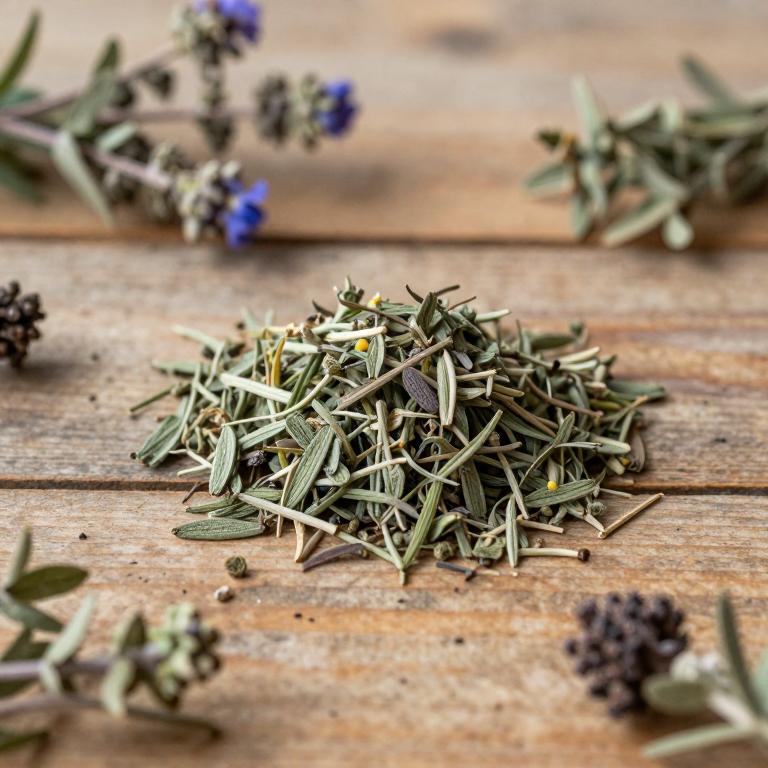
, scientifically known as Nepeta crispa, is a resilient perennial herb belonging to the Lamiaceae family. Commonly called crispy catnip, this aromatic plant is prized for its textured, crinkled foliage and delicate blossoms. Often used in traditional herbalism, it offers unique therapeutic potential and adds charm to any garden.
- Family
- Lamiaceae
- Native range
- Asia-Temperate
- Parts used
- Not available
- Common names
- Not available
- Scientific synonyms
- Glechoma Crispa · Nepeta Asterotricha · 1 more
Names and Synonyms
Scientific Names
Accepted name
Nepeta crispaSynonyms
- Glechoma crispa
- Nepeta asterotricha
- Nepeta betonicoides
Sources: Wikidata
Taxonomical Classification
This plant belongs to the kingdom Plantae and is classified under the phylum Streptophyta within the class Equisetopsida. Further taxonomic descent places it in the subclass Magnoliidae and the order Lamiales, belonging to the family Lamiaceae. Finally, it is identified under the genus Nepeta.
| Rank | Classification |
|---|---|
| Kingdom | Plantae |
| Phylum | Streptophyta |
| Class | Equisetopsida |
| Subclass | Magnoliidae |
| Order | Lamiales |
| Family | Lamiaceae |
| Genus | Nepeta |
Sources: The World Checklist of Vascular Plants (WCVP)
Distribution
This plant, known scientifically as Nepeta crispa, possesses a specific and limited geographical range. Its natural habitat is primarily concentrated within the region of Western Asia. Specifically, documented occurrences of this species are found within the borders of Iran. Because of this localized presence, the plant is considered a regional element of the Iranian flora. Understanding this distribution is essential for researchers studying the ecological requirements of this medicinal species.
| Region | Area |
|---|---|
| Western Asia | Iran |
Sources: The World Checklist of Vascular Plants (WCVP)
Botanical Identification
Life history
The life history of Nepeta crispa is characterized by its classification as a hemicryptophyte, a growth form where the perennating buds are located at or just below the soil surface, typically protected by leaf litter or debris. This life strategy allows the plant to persist through unfavorable seasonal conditions by maintaining its regenerative structures at the ground level. Within the broader spectrum of botanical life forms, its developmental pattern aligns with the hemicryptophyte category, distinguishing it from phanerophytes, chamaephytes, cryptophytes, or therophytes. As a perennial herb, it manages its lifecycle through these protected buds, ensuring survival and regrowth in its natural habitat.
- Life form :
- hemicryptophyte
Morphology
The morphology of Nepeta crispa is characterized by its growth habit as a self-supporting plant, meaning it does not rely on other structures for vertical ascent and functions as a non-climbing species. It is an independent organism that does not exhibit parasitic behavior, maintaining its own metabolic processes without relying on a host. Furthermore, the plant is terrestrial in its ecological niche, establishing its root system within the soil rather than growing as an epiphyte on other vegetation.
- Climber :
- self-supporting
- Epiphyte :
- terrestrial
- Parasite :
- independent
Sources: Global Inventory of Floras and Traits (GIFT)
Chemicals
Nepeta crispa has 13 reported phytochemicals identified across 0 scientific publications and several other databases. The most consistently reported chemicals include 1,8-Cineol, 1,8-Cineole, CHLOROGENIC ACID, Cichoric Acid, OLEANOLIC ACID.
| Chemical | Supporting sources | Consensus |
|---|---|---|
| 1,8-Cineol | 1 supporting sources | ★☆☆☆☆ |
| 1,8-Cineole | 1 supporting sources | ★☆☆☆☆ |
| CHLOROGENIC ACID | 1 supporting sources | ★☆☆☆☆ |
| Cichoric Acid | 1 supporting sources | ★☆☆☆☆ |
| OLEANOLIC ACID | 1 supporting sources | ★☆☆☆☆ |
| Polyphenol | 1 supporting sources | ★☆☆☆☆ |
| RUTIN | 1 supporting sources | ★☆☆☆☆ |
| TERPINENE-4-OL | 1 supporting sources | ★☆☆☆☆ |
| Ursolic acid | 1 supporting sources | ★☆☆☆☆ |
| apigenin | 1 supporting sources | ★☆☆☆☆ |
1,8-Cineol
- Zeitschrift fur Naturforschung. C, Journal of biosciences
1,8-Cineole
- Physiology and molecular biology of plants : an international journal of functional plant biology
CHLOROGENIC ACID
- Physiology and molecular biology of plants : an international journal of functional plant biology
Cichoric Acid
- Physiology and molecular biology of plants : an international journal of functional plant biology
OLEANOLIC ACID
- Physiology and molecular biology of plants : an international journal of functional plant biology
Polyphenol
- Molecules (Basel, Switzerland)
RUTIN
- Physiology and molecular biology of plants : an international journal of functional plant biology
TERPINENE-4-OL
- Physiology and molecular biology of plants : an international journal of functional plant biology
Ursolic acid
- Physiology and molecular biology of plants : an international journal of functional plant biology
apigenin
- Physiology and molecular biology of plants : an international journal of functional plant biology
Preparations
Nepeta crispa has 1 reported preparations identified across 0 scientific publications and several other databases. The most consistently reported preparations include essential oil.
| Preparation | Supporting sources | Consensus |
|---|---|---|
| Essential oil | 1 supporting sources | ★☆☆☆☆ |
Essential oil
- The Pan African medical journal