Neopicrorhiza
Neopicrorhiza · Accepted scientific name
Scientific literature: Very Sparse (0 studies) · ★☆☆☆☆
Neopicrorhiza is a specialized genus of plants recognized primarily for the medicinal value of its underground rhizome. These hardy roots serve as the essential foundation for various traditional herbal products used globally. In particular, the plant holds a significant place in the formulation of ancient ayurvedic medicines. Practitioners often utilize the dry rhizomes to extract potent bioactive compounds for therapeutic purposes. Consequently, this plant remains a vital resource in the production of diverse natural health supplements.
- Synonyms
- Not available
- Common names
- Not available
- Family
- Plantaginaceae
- Distribution
- Southern America
- Plant Parts
- Rhizome
Classification
Taxonomy
Neopicrorhiza is a fascinating member of the kingdom Plantae that showcases the intricate complexity of biological classification. This unique plant belongs to the genus Neopicrorhiza and is specifically categorized within the family Plantaginaceae. As part of the order Lamiales, it shares structural similarities with many other diverse flowering species. Its botanical lineage further places it within the class Equisetopsida, highlighting its evolutionary history. Understanding these taxonomic relationships provides essential insight into the natural identity of this remarkable organism.
| Rank | Classification |
|---|---|
| Kingdom | Plantae |
| Phylum | Streptophyta |
| Class | Equisetopsida |
| Subclass | Magnoliidae |
| Order | Lamiales |
| Family | Plantaginaceae |
| Genus | Neopicrorhiza |
Sources: The World Checklist of Vascular Plants (WCVP)
Distribution
Geographic Regions
Neopicrorhiza exhibits a broad geographical range that spans across various ecological zones in Asia. In the temperate regions, this plant is found throughout China, including the South-Central areas and the high altitudes of Tibet. Its presence extends into tropical Asian landscapes, particularly within the Indian Subcontinent. Specifically, it inhabits the diverse terrains of the East, West, and central Himalayas. This distribution also includes significant populations located within the mountainous reaches of Nepal.
Sources: The World Checklist of Vascular Plants (WCVP)
Identification
Biological Activities
Compounds
Conditions
Preparations
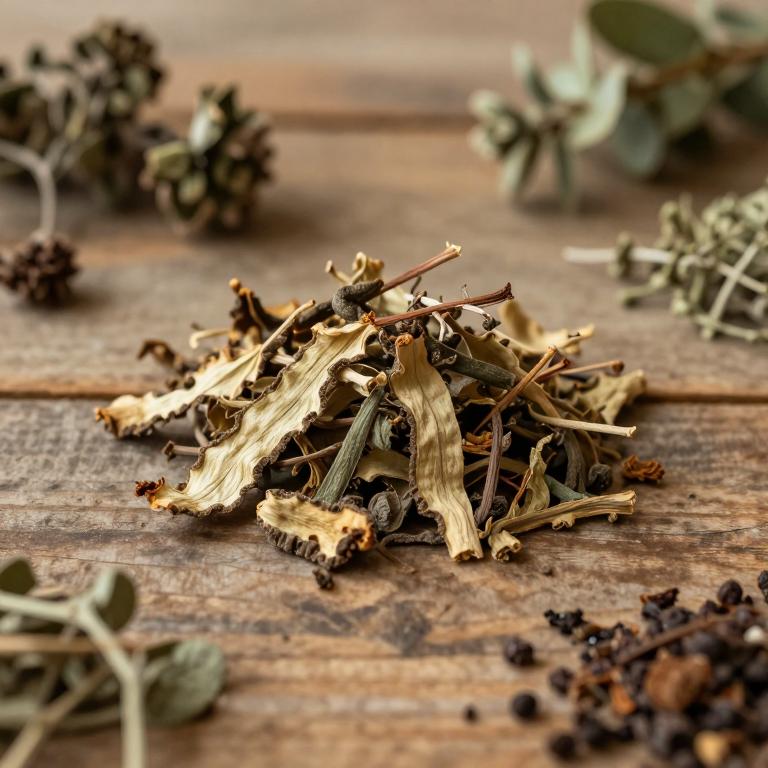
Neopicrorhiza is prepared as dry rhizomes to meet high levels of commercial trade in the Central Himalaya. These rhizomes serve as a primary ingredient in a vast array of herbal products found in retail shops. Furthermore, Neopicrorhiza is prepared as ayurvedic medicines by various herbal industries to treat numerous disease categories. The manufacturing of these 45 types of ayurvedic end-products relies heavily on the available plant material. Consequently, the demand for this plant is driven by its specific preparation into these medicinal forms.
Parts used
Neopicrorhiza scrophulariiflora is a significant medicinal plant found in the Central Himalaya that is highly valued for its specific anatomical components. The plant possesses medicinally important rhizomes that serve as the primary ingredient in various herbal products. In Nepal, these rhizomes are processed by numerous Ayurvedic industries to manufacture dozens of different types of medicines. These products are utilized to treat a wide range of ailments, including issues related to the cardiovascular, nervous, and digestive systems. Despite evolving legal regulations, the high trade volume of these rhizomes continues to drive significant economic activity in the region.