Nemuaron vieillardii
Nemuaron vieillardii · Accepted scientific name
Scientific literature: Very Sparse (0 studies) · ★☆☆☆☆
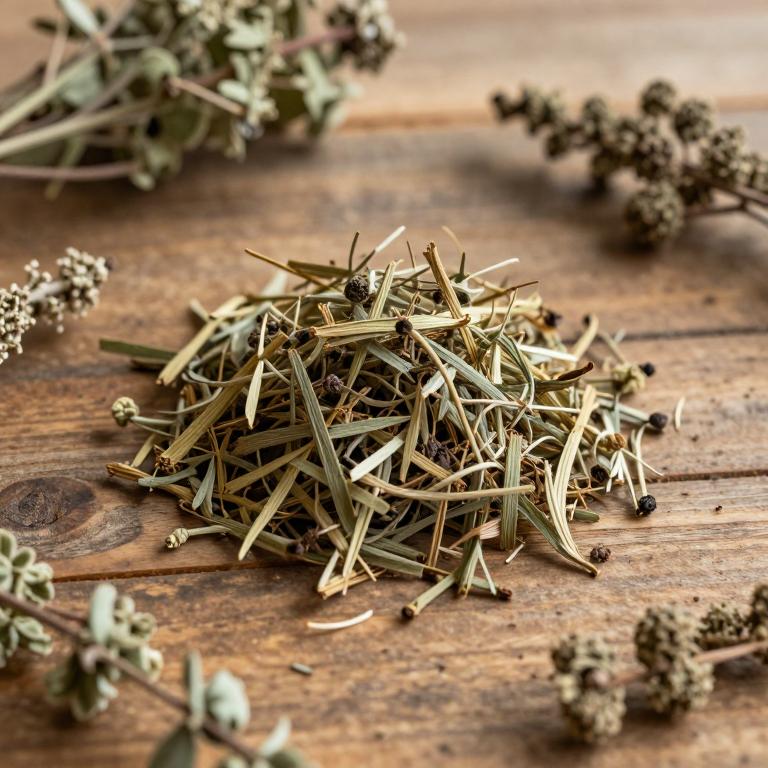
Nemuaron vieillardii is a botanical species notable for its specific chemical composition and traditional uses. The leaves of this plant serve as the primary source for various applications, including the extraction of essential oils. Chemically, the plant is characterized by the presence of safrole, a compound of significant interest in phytochemical studies. Beyond industrial extraction, the plant has a history of importance through traditional medicinal consumption. Understanding its properties provides valuable insight into both its natural chemistry and its cultural utility.
- Synonyms
- Doryphora Austrocaledonica · Doryphora Vieillardii · 1 more
- Common names
- Not available
- Family
- Atherospermataceae
- Distribution
- Not available
- Plant Parts
- Leaf
Classification
Synonyms
Nemuaron vieillardii is a botanical species that has been associated with several different scientific names throughout its classification history. One recognized synonym for this plant is Doryphora austrocaledonica, reflecting previous taxonomic interpretations. It has also been identified under the name Doryphora vieillardii in older literature. Furthermore, the name Nemuaron humboldtii serves as another synonym linked to this specific taxon. Understanding these various nomenclatural connections is essential for accurate botanical identification and study.
Sources: The World Checklist of Vascular Plants (WCVP)
Taxonomy
Nemuaron vieillardii is a specialized botanical species belonging to the kingdom Plantae. Within this vast biological realm, it is classified under the class Equisetopsida. This plant is further categorized into the order Laurales, showcasing its evolutionary connections. It serves as a representative member of the genus Nemuaron. Finally, its taxonomic identity is solidified by its placement within the family Atherospermataceae.
| Rank | Classification |
|---|---|
| Kingdom | Plantae |
| Phylum | Streptophyta |
| Class | Equisetopsida |
| Subclass | Magnoliidae |
| Order | Laurales |
| Family | Atherospermataceae |
| Genus | Nemuaron |
Sources: The World Checklist of Vascular Plants (WCVP)
Distribution
Geographic Regions
Nemuaron vieillardii is a unique botanical species with a highly specific geographic footprint. Its natural distribution is primarily concentrated within the Pacific region, specifically throughout the Southwestern Pacific. A significant portion of its habitat can be found nestled within the diverse ecosystems of New Caledonia. This localized presence highlights the plant's specialized adaptation to these particular island environments. Understanding such limited ranges is essential for the ongoing conservation of this distinct flora.
Sources: The World Checklist of Vascular Plants (WCVP)
Identification
Biological Activities
Compounds
Nemuaron vieillardii is a shrub utilized in the kanak pharmacopeia that has recently undergone detailed chemical analysis. Research utilizing gas chromatography-mass spectrometry revealed that the plant's essential oil is primarily composed of several key bioactive compounds. Notably, the analysis identified that Nemuaron vieillardii contains safrole, which accounts for a significant 49.7% of the total oil composition. While this high concentration contributes to the plant's potential acaricidal activity against cattle ticks, it also presents significant safety concerns. Because safrole is suspected of being a human carcinogen, its presence complicates the development of the plant as a safe alternative for tick control or traditional medicine.
Conditions
Preparations
Nemuaron vieillardii is prepared as an essential oil extracted from its leaves to study its acaricidal properties against cattle ticks. This plant is also utilized for traditional medicinal consumption within the kanak pharmacopeia. The chemical analysis of the essential oil reveals a high concentration of safrole, which is a primary component identified via gas chromatography. While the oil shows potential for tick control, its high safrole content raises safety concerns regarding its use in traditional medicine. Therefore, the dual roles of the plant in oil production and medicinal use require careful consideration due to potential carcinogenicity.
Parts used
Nemuaron vieillardii is a shrub utilized in the kanak pharmacopeia that contains specific chemical properties within its foliage. Researchers focused their study on the essential oil extracted directly from the leaf of this plant to analyze its complex composition. Through gas chromatography, it was determined that the leaf oil is primarily composed of safrole, along with smaller amounts of linalool and other compounds. This specific plant part demonstrated significant acaricidal activity when tested against the larvae of the cattle tick Rhipicephalus (Boophilus) microplus. However, the high concentration of safrole found in the leaves raises important safety concerns regarding its traditional medicinal use and its potential as a tick control strategy.