Neltuma velutina
Neltuma velutina · Accepted scientific name
Scientific literature: Very Sparse (0 studies) · ★☆☆☆☆
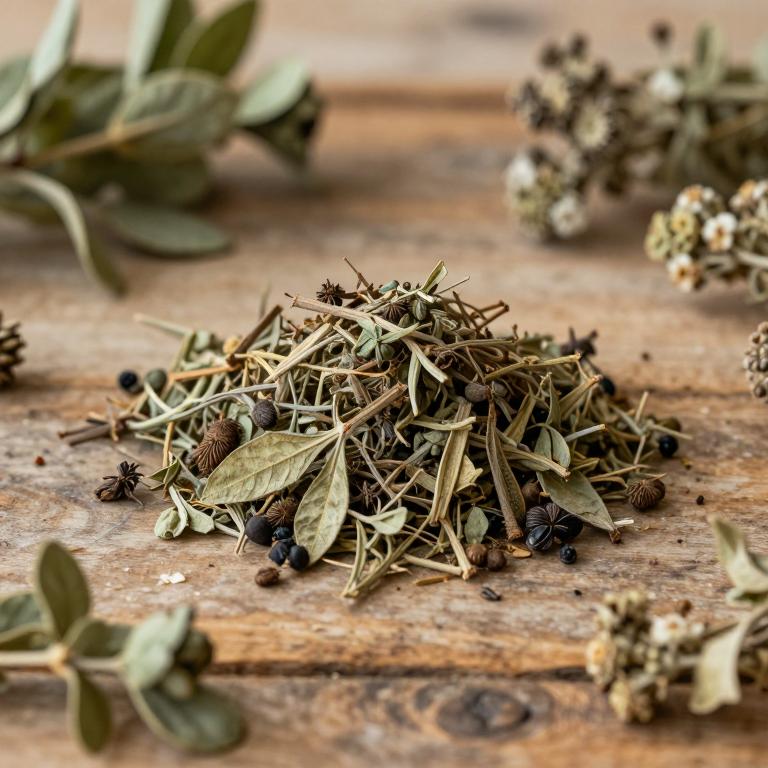
Neltuma velutina is a distinctive botanical species known for its unique structural characteristics. A primary feature of this plant is its specialized leaf, which serves as a key identifier for researchers. These leaves play a vital role in the plant's ability to capture light and facilitate essential biological processes. Understanding the morphology of its foliage provides deeper insight into its evolutionary adaptation within its habitat. Studying this specific component helps botanists better categorize the species within its taxonomic group.
- Synonyms
- Prosopis Velutina · Prosopis Chilensis Var. Velutina · 1 more
- Common names
- Not available
- Family
- Fabaceae
- Distribution
- Not available
- Plant Parts
- Leaf
Classification
Common Names
Neltuma velutina is a fascinating species known by a diverse array of regional and descriptive names. It is frequently referred to as the velvet mesquite or the Mesquite terciopelo, reflecting its unique physical characteristics. In certain areas, you may also encounter it called the Velura prozopo or the fluweelprosopis. The plant is further identified by the common name fluweelboontjie in specific local contexts. Regardless of which name is used, this versatile plant remains a distinct and recognizable member of its genus.
Sources: Catalogue of Life (COL)
Synonyms
Neltuma velutina is a plant species that is frequently identified through various botanical synonyms in scientific literature. Depending on the classification system used, it may be referred to as Prosopis chilensis var. velutina. In some taxonomic contexts, it is also documented under the name Prosopis juliflora var. velutina. Furthermore, the name Prosopis velutina serves as another recognized synonym for this specific plant. Understanding these overlapping designations is essential for maintaining clarity in botanical research and documentation.
Sources: The World Checklist of Vascular Plants (WCVP)
Taxonomy
Neltuma velutina is a distinctive member of the kingdom Plantae. Within this vast biological realm, the species is classified under the class Equisetopsida. It belongs to the order Fabales, showcasing its specific evolutionary lineage. Further specialization places the plant within the diverse family Fabaceae. Ultimately, it is defined by its unique classification under the genus Neltuma.
| Rank | Classification |
|---|---|
| Kingdom | Plantae |
| Phylum | Streptophyta |
| Class | Equisetopsida |
| Subclass | Magnoliidae |
| Order | Fabales |
| Family | Fabaceae |
| Genus | Neltuma |
Sources: The World Checklist of Vascular Plants (WCVP)
Distribution
Geographic Regions
Neltuma velutina is a widely distributed species with a presence spanning several distinct global regions. In Africa, it is found across Southern Africa, specifically within the Cape Provinces, the Free State, and the Northern Provinces. Its reach extends into the tropical regions of Asia, where it is established throughout the Indian Subcontinent and India. Furthermore, the plant has successfully spread to Australasia, appearing in the New South Wales region of Australia. This broad geographical range highlights the remarkable adaptability of the species across diverse environments.
Sources: The World Checklist of Vascular Plants (WCVP)
Identification
Biological Activities
Compounds
Conditions
Preparations
Parts used
Neltuma velutina is identified as a significant browse species within the savannah biome of South Africa. Researchers focused on the leaves of this plant to conduct a detailed qualitative and quantitative analysis of its bioactive constituents. By studying the leaf samples, scientists can determine the concentration of essential phytochemicals such as tannins, phenols, and flavonoids. This investigation is crucial because the nutritional and medicinal value of the plant is largely dependent on the compounds found in its foliage. Understanding these leaf-based relationships helps optimize the use of such species for both human medicine and livestock feed.