smooth mesquite
Neltuma laevigata · Accepted scientific name
Scientific literature: Very Sparse (8 studies) · ★☆☆☆☆
Smooth mesquite, scientifically known as Neltuma laevigatą, is a versatile medicinal plant prized for its therapeutic properties. Found in arid landscapes, its bark and roots offer potent antioxidant and anti-inflammatory benefits. Traditionally used to treat digestive ailments and skin irritations, this resilient species remains a cornerstone of ethnobotanical study.
- Family
- Fabaceae
- Native range
- Northern America
- Parts used
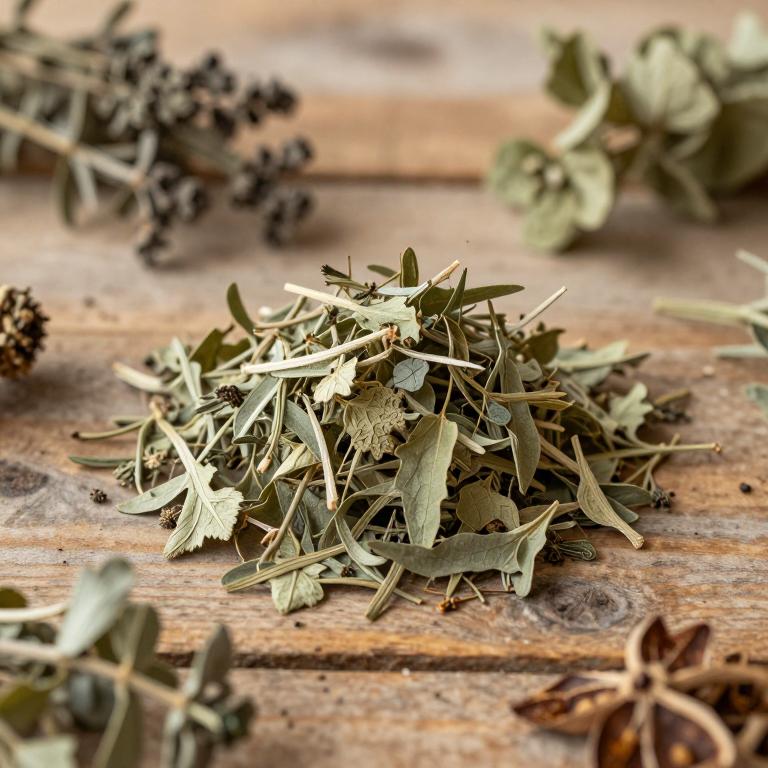
- Leaf
- Common names
- Smooth Mesquite
- Scientific synonyms
- Acacia Laevigata · Neltuma Michoacana · 1 more
Names and Synonyms
Common Names
- smooth mesquite
Scientific Names
Accepted name
Neltuma laevigataSynonyms
- Acacia laevigata
- Neltuma michoacana
- Prosopis laevigata
Regional and Traditional Names
Spanish:
- Algarrobo
- Mezquite Blanco
- mesquite
- mezquite
Sources: Wikidata, Catalogue of Life
Taxonomical Classification
This plant belongs to the kingdom Plantae and the phylum Streptophyta, falling under the class Equisetopsida and subclass Magnoliidae. Within the order Fabales, it is classified under the family Fabaceae and the genus Neltuma.
| Rank | Classification |
|---|---|
| Kingdom | Plantae |
| Phylum | Streptophyta |
| Class | Equisetopsida |
| Subclass | Magnoliidae |
| Order | Fabales |
| Family | Fabaceae |
| Genus | Neltuma |
Sources: The World Checklist of Vascular Plants (WCVP)
Distribution
This plant is primarily located within the South-Central United States, specifically found in the state of Texas. Its range extends significantly into Mexico, where it is widely distributed across several key regions. In the central part of the country, it thrives throughout Mexico Central. Furthermore, the species can be located in the areas of Mexico Northeast and Mexico Gulf. Finally, its geographical presence is also noted within the Mexico Southwest region.
| Region | Area |
|---|---|
| South-Central U.S.A. | Texas |
| Mexico | Mexico Central |
| Mexico | Mexico Northeast |
| Mexico | Mexico Gulf |
| Mexico | Mexico Southwest |
| Mexico | Mexico Southeast |
Sources: The World Checklist of Vascular Plants (WCVP)
Plant Parts
Neltuma laevigata has 1 reported plant parts identified across 2 scientific publications and several other databases that are studied for medicinal purposes. The most consistently reported plant part include leaf.
| Plant part | Supporting sources | Consensus |
|---|---|---|
| Leaf | 2 supporting sources | ★☆☆☆☆ |
Leaf
- Tropical biomedicine
- Scientific reports
Chemicals
Neltuma laevigata has 1 reported phytochemicals identified across 2 scientific publications and several other databases. The most consistently reported chemicals include n-Hexane.
| Chemical | Supporting sources | Consensus |
|---|---|---|
| n-Hexane | 1 supporting sources | ★☆☆☆☆ |
n-Hexane
- Journal of helminthology
Activities
Neltuma laevigata has 3 reported activities identified across 2 scientific publications and several other databases. The most consistently reported activities include Antimicrobial, Antioxidant, Cytotoxic.
| Activity | Supporting sources | Consensus |
|---|---|---|
| Antimicrobial | 1 supporting sources | ★☆☆☆☆ |
| Antioxidant | 1 supporting sources | ★☆☆☆☆ |
| Cytotoxic | 1 supporting sources | ★☆☆☆☆ |
Antimicrobial
- Foods (Basel, Switzerland)
Antioxidant
- Foods (Basel, Switzerland)
Cytotoxic
- Foods (Basel, Switzerland)
Preparations
Neltuma laevigata has 5 reported preparations identified across 2 scientific publications and several other databases. The most consistently reported preparations include aqueous, methanolic extract of the leaves, methanolic leaf extract, methanolic plant extracts, wood extract.
| Preparation | Supporting sources | Consensus |
|---|---|---|
| Aqueous | 1 supporting sources | ★☆☆☆☆ |
| Methanolic extract of the leaves | 1 supporting sources | ★☆☆☆☆ |
| Methanolic leaf extract | 1 supporting sources | ★☆☆☆☆ |
| Methanolic plant extracts | 1 supporting sources | ★☆☆☆☆ |
| Wood extract | 1 supporting sources | ★☆☆☆☆ |
Aqueous
- Heliyon
Methanolic extract of the leaves
- Scientific reports
Methanolic leaf extract
- Scientific reports
Methanolic plant extracts
- Evidence-based complementary and alternative medicine : eCAM
Wood extract
- Drug and chemical toxicology