algarroba-bean
Neltuma juliflora · Accepted scientific name
Scientific literature: Very Extensive (299 studies) · ★★★★★
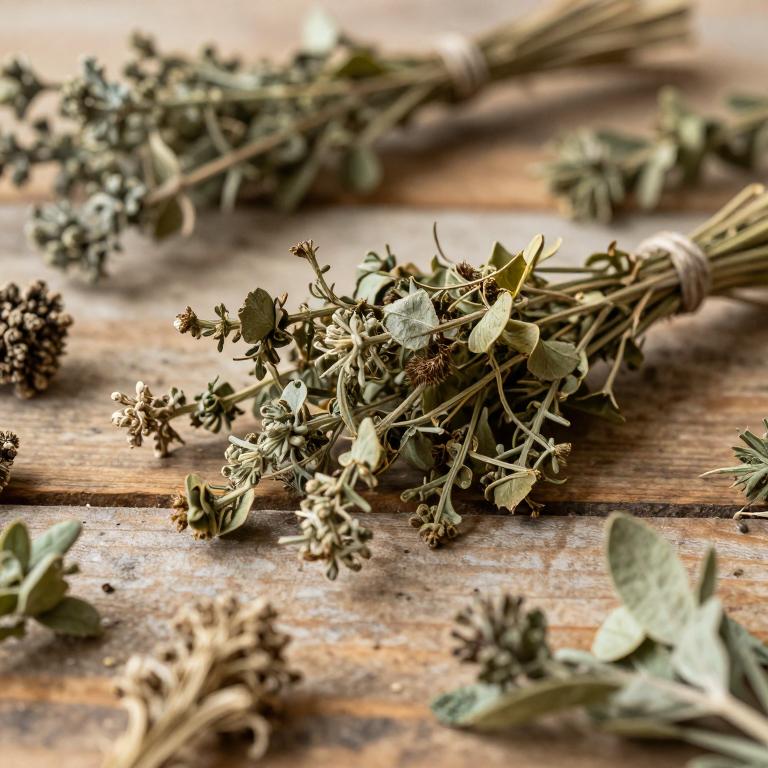
Algarroba-bean, scientifically known as Neltuma juliflora, is a remarkable medicinal plant prized for its diverse therapeutic properties. Found primarily in subtropical regions, this resilient species offers potent antioxidant benefits and anti-inflammatory compounds. Traditionally used to support digestive health, it remains a vital subject in modern ethnobotanical research.
Names and Synonyms
Common Names
- algarroba-bean
- ironwood
- mesquite
- long thorn kiawe
Scientific Names
Accepted name
Neltuma julifloraSynonyms
- Prosopis dulcis var. domingensis
- Acacia juliflora
- Prosopis juliflora
- Algarobia juliflora
- Desmanthus salinarum
- Mimosa salinarum
- Prosopis inermis
- Prosopis horrida
- Acacia salinarum
- Prosopis bracteolata
- Mimosa pallida
- Prosopis domingensis
- Mimosa pseudoschinus
- Prosopis cumanensis
- Mimosa piliflora
- Prosopis juliflora var. inermis
- Mimosa juliflora
- Mimosa levigata
- Prosopis juliflora var. horrida
- Mimosa furcata
- Acacia cumanensis
- Prosopis vidaliana
- Mimosa cumana
- Entada juliflora
- Neltuma pallescens
- Neltuma juliflora var. horrida
- Neltuma occidentalis
- Neltuma juliflora subsp. horrida
- Neltuma bakeri
- Neltuma juliflora var. juliflora
Regional and Traditional Names
Spanish:
- algarrobo
- cují negro
- mezquite
- mostrenco
- Bayahonda
- Bayahondas
- Cambrón
- alfarroba
- algarrobo blando
- carbón
- cují
- trupillo
German:
- Mesquitebaum
French:
- bayarone
- Bayahonde
Sources: Wikidata, Catalogue of Life
Taxonomical Classification
This plant belongs to the kingdom Plantae and the phylum Streptophyta, falling under the class Equisetopsida and subclass Magnoliidae. Within the order Fabales, it is classified under the family Fabaceae. Finally, its taxonomic identity is defined by the genus Neltuma.
| Rank | Classification |
|---|---|
| Kingdom | Plantae |
| Phylum | Streptophyta |
| Class | Equisetopsida |
| Subclass | Magnoliidae |
| Order | Fabales |
| Family | Fabaceae |
| Genus | Neltuma |
Sources: The World Checklist of Vascular Plants (WCVP)
Distribution
This plant exhibits a broad geographical distribution spanning several distinct ecological zones. Within the Macaronesian region, it can be found inhabiting the Canary Islands and the Cape Verde archipelago. Its range extends significantly into West Tropical Africa, where it is documented in Benin. Furthermore, the species is known to grow within the territory of Burkina. Finally, its presence is also recorded in the West Tropical African nation of Nigeria.
| Region | Area |
|---|---|
| Macaronesia | Canary Is. |
| Macaronesia | Cape Verde |
| West Tropical Africa | Benin |
| West Tropical Africa | Burkina |
| West Tropical Africa | Nigeria |
| West Tropical Africa | Niger |
| Northeast Tropical Africa | Chad |
| Northeast Tropical Africa | Eritrea |
| Northeast Tropical Africa | Socotra |
| Northeast Tropical Africa | Somalia |
Sources: The World Checklist of Vascular Plants (WCVP)
Plant Parts
Neltuma juliflora has 1 reported plant parts identified across 1 scientific publications and several other databases that are studied for medicinal purposes. The most consistently reported plant part include leaf.
| Plant part | Supporting sources | Consensus |
|---|---|---|
| Leaf | 1 supporting sources | ★☆☆☆☆ |
Leaf
- Journal of ethnopharmacology
Chemicals
Neltuma juliflora has 25 reported phytochemicals identified across 1 scientific publications and several other databases. The most consistently reported chemicals include 4-O-methyl-D-glucuronic acid, 5-HYDROXYTRYPTAMINE, Ash, CALCIUM, D-galactose.
| Chemical | Supporting sources | Consensus |
|---|---|---|
| 4-O-methyl-D-glucuronic acid | 1 supporting sources | ★☆☆☆☆ |
| 5-HYDROXYTRYPTAMINE | 1 supporting sources | ★☆☆☆☆ |
| Ash | 1 supporting sources | ★☆☆☆☆ |
| CALCIUM | 1 supporting sources | ★☆☆☆☆ |
| D-galactose | 1 supporting sources | ★☆☆☆☆ |
| FAT | 1 supporting sources | ★☆☆☆☆ |
| Flavonoids | 1 supporting sources | ★☆☆☆☆ |
| GLYCOPROTEIN | 1 supporting sources | ★☆☆☆☆ |
| Julifloricine | 1 supporting sources | ★☆☆☆☆ |
| L-arabinose | 1 supporting sources | ★☆☆☆☆ |
4-O-methyl-D-glucuronic acid
- Dr. Duke
5-HYDROXYTRYPTAMINE
- Dr. Duke
Ash
- Dr. Duke
CALCIUM
- Dr. Duke
D-galactose
- Dr. Duke
FAT
- Dr. Duke
Flavonoids
- Natural product research
GLYCOPROTEIN
- Biochemistry international
Julifloricine
- Arzneimittel-Forschung
L-arabinose
- Dr. Duke
Activities
Neltuma juliflora has 249 reported activities identified across 1 scientific publications and several other databases. The most consistently reported activities include Antibacterial, Anticancer, Antidiabetic, Antimalarial, Antioxidant.
| Activity | Supporting sources | Consensus |
|---|---|---|
| Antibacterial | 2 supporting sources | ★☆☆☆☆ |
| Anticancer | 2 supporting sources | ★☆☆☆☆ |
| Antidiabetic | 2 supporting sources | ★☆☆☆☆ |
| Antimalarial | 2 supporting sources | ★☆☆☆☆ |
| Antioxidant | 2 supporting sources | ★☆☆☆☆ |
| Antiplasmodial | 2 supporting sources | ★☆☆☆☆ |
| 11B-HSD-Inhibitor | 1 supporting sources | ★☆☆☆☆ |
| 5-Lipoxygenase-Inhibitor | 1 supporting sources | ★☆☆☆☆ |
| ATPase-Inhibitor | 1 supporting sources | ★☆☆☆☆ |
| Absorbent | 1 supporting sources | ★☆☆☆☆ |
Antibacterial
- Dr. Duke
- Natural product research
Anticancer
- Dr. Duke
- Natural product research
Antidiabetic
- Dr. Duke
- Natural product research
Antimalarial
- Dr. Duke
- Natural product research
Antioxidant
- Dr. Duke
- Natural product research
Antiplasmodial
- Dr. Duke
- Molecules (Basel, Switzerland)
11B-HSD-Inhibitor
- Dr. Duke
5-Lipoxygenase-Inhibitor
- Dr. Duke
ATPase-Inhibitor
- Dr. Duke
Absorbent
- Dr. Duke
Conditions
Neltuma juliflora has 3 reported investigations on conditions identified across 1 scientific publications and several other databases. The most consistently reported conditions include cancer, inflammation, malaria.
| Condition | Supporting sources | Consensus |
|---|---|---|
| Cancer | 1 supporting sources | ★☆☆☆☆ |
| Inflammation | 1 supporting sources | ★☆☆☆☆ |
| Malaria | 1 supporting sources | ★☆☆☆☆ |
Cancer
- Natural product research
Inflammation
- Natural product research
Malaria
- Natural product research
Preparations
Neltuma juliflora has 4 reported preparations identified across 1 scientific publications and several other databases. The most consistently reported preparations include Prosopis juliflora extract, extracts, leaf, pollen.
| Preparation | Supporting sources | Consensus |
|---|---|---|
| Prosopis juliflora extract | 1 supporting sources | ★☆☆☆☆ |
| Extracts | 1 supporting sources | ★☆☆☆☆ |
| Leaf | 1 supporting sources | ★☆☆☆☆ |
| Pollen | 1 supporting sources | ★☆☆☆☆ |
Prosopis juliflora extract
- Saudi pharmaceutical journal : SPJ : the official publication of the Saudi Pharmaceutical Society
Extracts
- Molecules (Basel, Switzerland)
Leaf
- Journal of ethnopharmacology
Pollen
- Biochemistry international