Nectandra membranacea
Nectandra membranacea · Accepted scientific name
Scientific literature: Very Sparse (0 studies) · ★☆☆☆☆
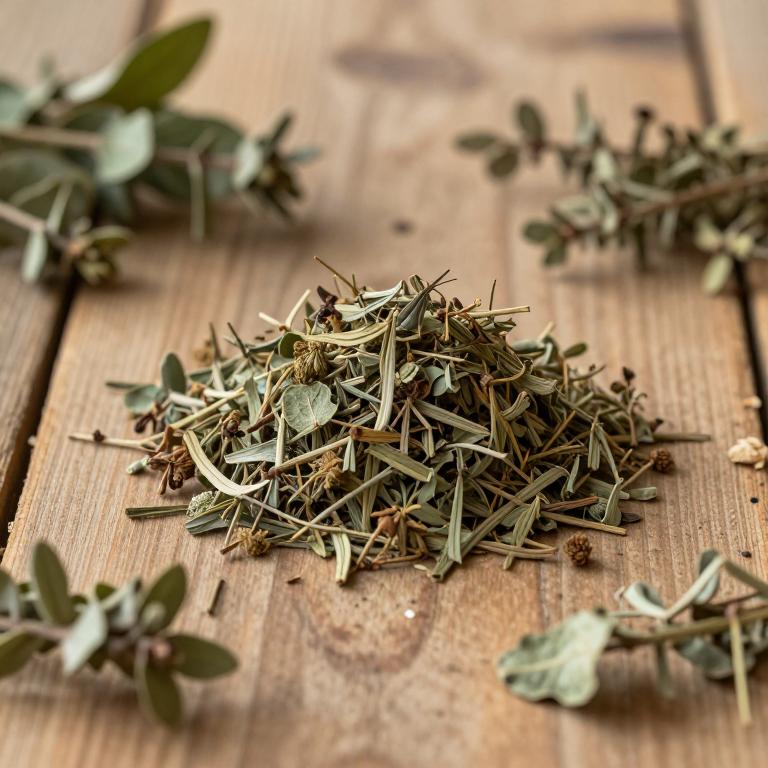
Nectandra membranacea is a botanical species recognized for its unique physiological characteristics and potential therapeutic applications. Researchers often investigate this plant to uncover its diverse bioactive compounds and medicinal properties. To utilize these natural elements, the plant is typically processed into fresh or dried hidroalcoholic extracts. These specific preparations allow for the efficient concentration of soluble constituents for further study or use. Understanding the chemical profile of these extracts is essential for exploring the plant's full pharmacological potential.
- Synonyms
- Nectandra Cuspidata Var. Strumosa · Oreodaphne Strumosa · 13 more
- Common names
- Not available
- Family
- Lauraceae
- Distribution
- Not available
- Plant Parts
- Not available
Classification
Common Names
Nectandra membranacea is a versatile tree known by several distinct regional names. In many areas, it is commonly referred to as the Black Cedar. Within Trinidad and Tobago, the species is frequently called Sweet Myers, though it is also known as Laurelillo. Some enthusiasts and locals simply identify the plant as Sweetwood due to its aromatic qualities. These various common names highlight the plant's diverse presence across different geographical landscapes.
Sources: Catalogue of Life (COL)
Synonyms
Nectandra membranacea is a taxonomically complex species that has been identified by several different scientific names throughout history. It is frequently cited under the synonyms Borbonia membranacea and Laurus membranacea in various botanical records. Researchers have also classified this plant as Nectandra bondarii in certain contexts. Furthermore, the species is closely linked to several botanical varieties, including Nectandra cuspidata var. macrocarpa and Nectandra cuspidata var. strumosa. Understanding these various nomenclatural relationships is essential for accurate identification and study.
Sources: The World Checklist of Vascular Plants (WCVP)
Taxonomy
Nectandra membranacea is a distinct botanical species that belongs to the vast kingdom Plantae. Within this kingdom, it is classified under the class Equisetopsida. It further occupies a specific niche within the order Laurales. As a member of the family Lauraceae, it shares evolutionary traits with many other aromatic plants. Finally, its precise biological identity is defined by its placement within the genus Nectandra.
| Rank | Classification |
|---|---|
| Kingdom | Plantae |
| Phylum | Streptophyta |
| Class | Equisetopsida |
| Subclass | Magnoliidae |
| Order | Laurales |
| Family | Lauraceae |
| Genus | Nectandra |
Sources: The World Checklist of Vascular Plants (WCVP)
Distribution
Geographic Regions
Nectandra membranacea exhibits a broad and diverse geographical distribution that spans across multiple regions. In North America, the species is widely found throughout various parts of Mexico, including the central, gulf, southeast, and southwest territories. This extensive presence in Mexico highlights its adaptability to different environmental conditions within the country. Moving further south, the plant's range extends into South America, specifically within the northern regions of Brazil. Ultimately, these varied locations underscore the significant ecological footprint of the species across the American continents.
Sources: The World Checklist of Vascular Plants (WCVP)
Identification
Morphology
Nectandra membranacea is a distinctive tree species characterized by its self-supporting growth form. This sturdy plant can reach impressive heights, with a maximum stature of 35 meters. While it can grow as large as 35 meters, its typical height often ranges between 21.25 and 35 meters. However, smaller specimens may also be found reaching a minimum height of only 6 meters. Regardless of its specific size, the species remains a prominent structural element of its habitat.
Sources: Global Inventory of Floras and Traits (GIFT)
Biological Activities
Compounds
Conditions
Nectandra membranacea demonstrates significant anti-leishmanial activity against Leishmania sp. based on research conducted in Costa Rica. During the study, researchers tested various plant extracts from the Alberto Manuel Brenes Biological Reserve to identify effective chemical components. Nectandra membranacea was identified as a promising species because it achieved IC50 values of 44.5 and 58.6 μg/mL. These specific results meet the established parameter for a plant to be considered active in treating this parasitic disease. The findings suggest that this plant holds potential as a viable natural treatment for leishmaniosis.
Preparations
Nectandra membranacea is prepared as fresh or dried hidroalcoholic extracts during the investigation of anti-leishmanial activities. These specific extracts were derived from various plant parts, including the root, stem, leaves, flowers, and fruits. Researchers utilized these preparations to test for efficacy against Leishmania sp. strains collected from a Costa Rican biological reserve. The study determined that Nectandra membranacea exhibited promising results with IC50 values ranging between 44.5 and 58.6 μg/mL. Ultimately, these fresh or dried hidroalcoholic preparations showed a potential role in the development of leishmaniosis treatments.