hesperethusa
Naringi crenulata · Accepted scientific name
Scientific literature: Very Sparse (5 studies) · ★☆☆☆☆
Hesperethusa, scientifically known as Naringi crenulata, is a remarkable medicinal plant valued for its diverse therapeutic properties. Native to specific tropical regions, this species is traditionally utilized in various healing practices to address various ailments. Its unique phytochemical profile offers significant potential for contemporary pharmacological research and natural wellness.
- Family
- Rutaceae
- Native range
- Asia-Tropical
- Parts used
- Not available
- Common names
- Hesperethusa
- Scientific synonyms
- Limonia Crenulata · Hesperethusa Crenulata
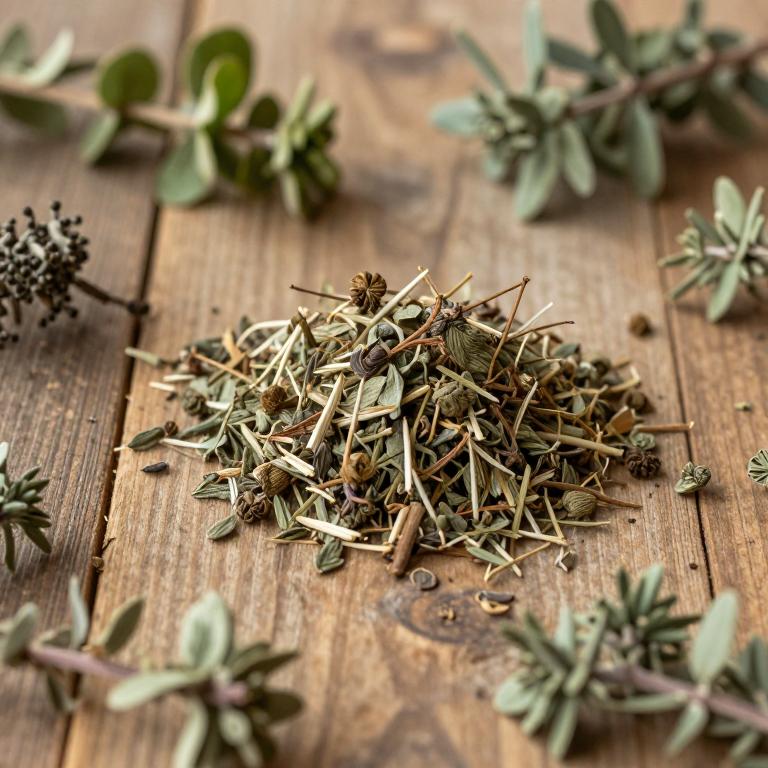
Names and Synonyms
Common Names
- hesperethusa
Scientific Names
Accepted name
Naringi crenulataSynonyms
- Limonia crenulata
- Hesperethusa crenulata
Sources: Wikidata, Catalogue of Life
Taxonomical Classification
This plant belongs to the kingdom Plantae and is classified under the phylum Streptophyta and class Equisetopsida. Within the subclass Magnoliidae, it is organized under the order Sapindales and the family Rutaceae. Finally, it is identified by the genus Naringi, specifically as the species Naringi crenulata.
| Rank | Classification |
|---|---|
| Kingdom | Plantae |
| Phylum | Streptophyta |
| Class | Equisetopsida |
| Subclass | Magnoliidae |
| Order | Sapindales |
| Family | Rutaceae |
| Genus | Naringi |
Sources: The World Checklist of Vascular Plants (WCVP)
Distribution
This plant exhibits a diverse geographical distribution across several key regions in Asia. Within the Indian Subcontinent, it can be found growing in India and Sri Lanka. It is also specifically documented to inhabit the West Himalaya region. Moving into the Indo-China territory, its presence extends to the country of Laos. Additionally, the species is known to occur within the borders of Myanmar.
| Region | Area |
|---|---|
| Indian Subcontinent | India |
| Indian Subcontinent | Sri Lanka |
| Indian Subcontinent | West Himalaya |
| Indo-China | Laos |
| Indo-China | Myanmar |
| Indo-China | Vietnam |
Sources: The World Checklist of Vascular Plants (WCVP)
Botanical Identification
Morphology
The morphology of Naringi crenulata is characterized by its distinct growth habit as a climbing plant. It functions as a self-supporting climber, exhibiting structural characteristics that allow it to ascend through various means. Specifically, its growth pattern can be described as both a liana and a vine, utilizing its physical structure to navigate its environment. Furthermore, the plant displays a self-supporting nature in its climbing mechanism, which can be categorized as being both obligatory and facultative in its ability to maintain upward movement and structural stability.
- Climber :
- self-supporting
Sources: Global Inventory of Floras and Traits (GIFT)
Chemicals
Naringi crenulata has 5 reported phytochemicals identified across 0 scientific publications and several other databases. The most consistently reported chemicals include Flavonoid, SAPONIN, Tannin, arbutin, phenol.
| Chemical | Supporting sources | Consensus |
|---|---|---|
| Flavonoid | 1 supporting sources | ★☆☆☆☆ |
| SAPONIN | 1 supporting sources | ★☆☆☆☆ |
| Tannin | 1 supporting sources | ★☆☆☆☆ |
| arbutin | 1 supporting sources | ★☆☆☆☆ |
| phenol | 1 supporting sources | ★☆☆☆☆ |
Flavonoid
- Ancient science of life
SAPONIN
- Ancient science of life
Tannin
- Ancient science of life
arbutin
- Journal of cosmetic science
phenol
- Ancient science of life