Myxopyrum smilacifolium
Myxopyrum smilacifolium · Accepted scientific name
Scientific literature: Very Sparse (0 studies) · ★☆☆☆☆
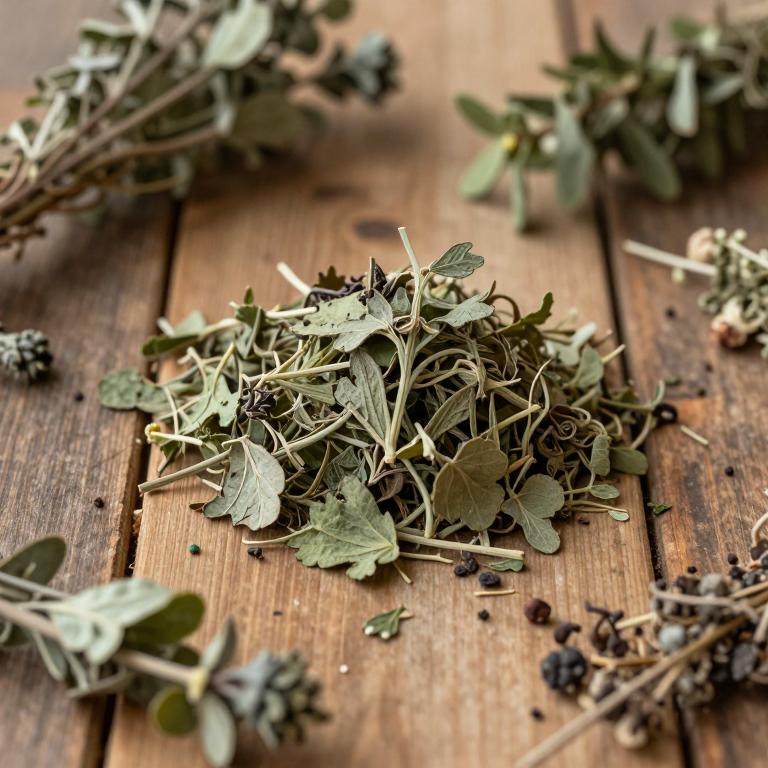
Myxopyrum smilacifolium is a distinctive botanical species recognized for its unique morphological characteristics. A primary feature used for its identification is the structure and appearance of its leaf. These leaves serve as a vital component for the plant's photosynthetic processes and overall survival. Studying the specific details of the foliage provides essential insights into the plant's ecological niche. Understanding this species begins with a close examination of its vegetative development.
- Synonyms
- Chondrospermum Smilacifolium · Chionanthus Smilacifolius
- Common names
- Not available
- Family
- Oleaceae
- Distribution
- Africa
- Plant Parts
- Leaf
Classification
Common Names
Myxopyrum smilacifolium is a distinctive botanical species recognized in local contexts by its common name, 阔叶胶核木. This plant plays a unique role within its specific ecosystem, contributing to the complex web of biological interactions in its habitat. By understanding its relationship with the surrounding flora and fauna, researchers can better appreciate its ecological significance. Such connections highlight how this particular species integrates into the broader natural landscape. Studying these intricate bonds provides vital insights into the stability and health of its native environment.
Sources: Catalogue of Life (COL)
Synonyms
Myxopyrum smilacifolium is a botanical species that is frequently identified by various scientific names within taxonomic literature. Researchers and botanists often encounter this plant under the synonym Chionanthus smilacifolius depending on the classification system used. Additionally, the name Chondrospermum smilacifolium serves as another recognized synonym for this particular plant. These overlapping nomenclatures highlight the complex history of its botanical categorization. Understanding these relationships is essential for maintaining accuracy in plant identification and academic study.
Sources: The World Checklist of Vascular Plants (WCVP)
Taxonomy
Myxopyrum smilacifolium is a distinct biological entity belonging to the kingdom Plantae. Within this vast kingdom, the species is classified under the class Equisetopsida. It further falls into the order Lamiales, showcasing its specific evolutionary lineage. As a member of the family Oleaceae, it shares traits with a diverse group of flowering plants. Ultimately, this species is defined by its placement within the genus Myxopyrum.
| Rank | Classification |
|---|---|
| Kingdom | Plantae |
| Phylum | Streptophyta |
| Class | Equisetopsida |
| Subclass | Magnoliidae |
| Order | Lamiales |
| Family | Oleaceae |
| Genus | Myxopyrum |
Sources: The World Checklist of Vascular Plants (WCVP)
Distribution
Geographic Regions
Myxopyrum smilacifolium is a diverse plant species with a broad distribution spanning various ecological zones across Asia. Within the temperate regions, it can be specifically located in the Hainan province of China. Its tropical presence is equally significant, flourishing throughout the Indian Subcontinent in locations such as India, Bangladesh, and Assam. Additionally, the species extends its reach into the Indo-China region, notably inhabiting the Andaman Islands. This wide geographic range highlights the plant's adaptability to both temperate and tropical environments.
Sources: The World Checklist of Vascular Plants (WCVP)
Identification
Morphology
Myxopyrum smilacifolium is characterized by an obligatory climbing habit, meaning it relies entirely on external structures to ascend and support its growth.
Sources: Global Inventory of Floras and Traits (GIFT)
Biological Activities
Compounds
Myxopyrum smilacifolium serves as the natural source for the isolation of the iridoid glucoside known as myxopyroside. This specific compound was identified from a single leaf specimen preserved on a herbarium sheet. The presence of myxopyroside and its related esters suggests a significant chemical link to the genus Nyctanthes. Such findings provide important biochemical evidence that supports modern gene sequencing data regarding the family Oleaceae. Ultimately, the discovery of these specialized metabolites helps clarify the complex evolutionary relationships within this plant family.
Conditions
Preparations
Parts used
Myxopyrum smilacifolium is a plant species that has been studied through the chemical analysis of its leaf tissue. Researchers isolated specific iridoid glucosides, such as myxopyroside, from a single leaf specimen preserved on a herbarium sheet. The identification of these compounds suggests a close botanical relationship between this species and the genus Nyctanthes. Such chemical findings serve to support recent taxonomic connections discovered within the Oleaceae family through modern gene sequencing. Ultimately, the study of the leaf's molecular makeup provides valuable insights into the evolutionary history of the plant.