Myxopyrum smilacifolium smilacifolium
Myxopyrum smilacifolium subsp. smilacifolium · Accepted scientific name
Scientific literature: Very Sparse (9 studies) · ★☆☆☆☆
Myxopyrum smilacifoliuum smilacifoliuum, scientifically known as Myxopyrum smilacifoliuum subsp. smilacifoliuum, is a specialized medicinal herb valued in traditional healing practices. Often found in specific ecological niches, this subspecies possesses unique phytochemical properties. It is primarily studied for its potential therapeutic applications in treating inflammatory conditions and various skin ailments.
- Family
- Oleaceae
- Native range
- Asia-Temperate
- Parts used
- Not available
- Common names
- Myxopyrum Smilacifolium Smilacifolium
- Scientific synonyms
- Chondrospermum Laurifolium · Myxopyrum Serratulum · 2 more
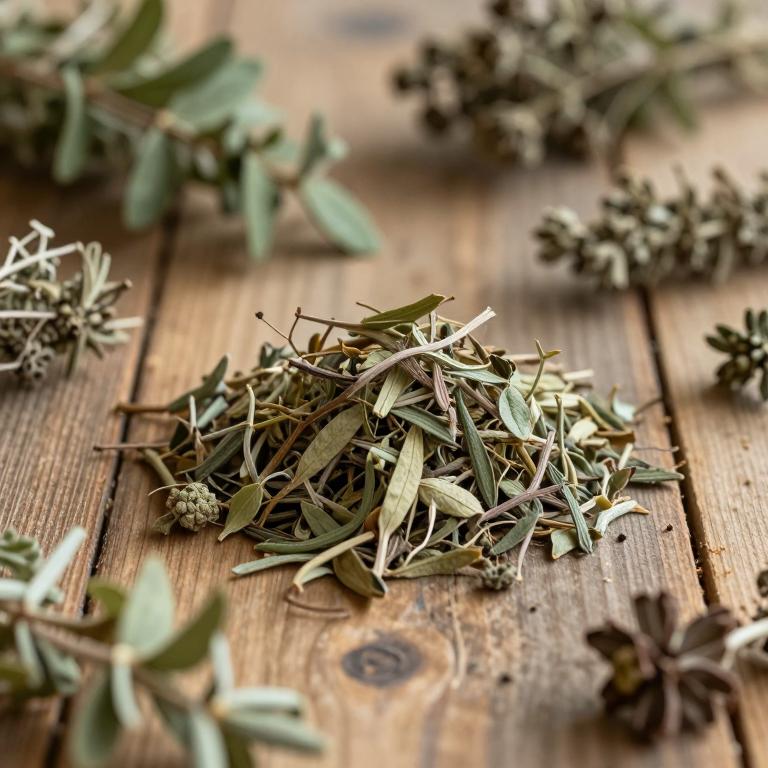
Names and Synonyms
Common Names
- Myxopyrum smilacifolium smilacifolium
Scientific Names
Accepted name
Myxopyrum smilacifolium subsp. smilacifoliumSynonyms
- Chondrospermum laurifolium
- Myxopyrum serratulum
- Myxopyrum ellipticilimbum
- Myxopyrum smilacifolium var. ilicifolium
Regional and Traditional Names
Spanish:
- Myxopyrum smilacifolium smilacifolium
French:
- Myxopyrum smilacifolium smilacifolium
Sources: Wikidata, Catalogue of Life
Taxonomical Classification
This plant belongs to the kingdom Plantae within the phylum Streptophyta and the class Equisetopsida. Classified under the subclass Magnoliidae and the order Lamiales, it is a member of the Oleaceae family. Specifically, it is identified as the species Myxopyrum smilacifoliuum subsp. smilacifoliuum within the genus Myxopyrum.
| Rank | Classification |
|---|---|
| Kingdom | Plantae |
| Phylum | Streptophyta |
| Class | Equisetopsida |
| Subclass | Magnoliidae |
| Order | Lamiales |
| Family | Oleaceae |
| Genus | Myxopyrum |
Sources: The World Checklist of Vascular Plants (WCVP)
Distribution
This plant exhibits a diverse geographical distribution spanning several key regions across Asia. Within China, it can be specifically located on the island of Hainan. Its presence extends significantly into the Indian Subcontinent, where it is found in India, Bangladesh, and the state of Assam. Additionally, the species is documented within the Indo-China region, specifically inhabiting the Andaman Islands. Collectively, these locations highlight the plant's ability to thrive in various tropical and subtropical environments.
| Region | Area |
|---|---|
| China | Hainan |
| Indian Subcontinent | Assam |
| Indian Subcontinent | Bangladesh |
| Indian Subcontinent | India |
| Indo-China | Andaman Is. |
| Indo-China | Cambodia |
| Indo-China | Laos |
| Indo-China | Myanmar |
| Indo-China | Nicobar Is. |
| Indo-China | Thailand |
Sources: The World Checklist of Vascular Plants (WCVP)
Chemicals
Myxopyrum smilacifolium subsp. smilacifolium has 9 reported phytochemicals identified across 0 scientific publications and several other databases. The most consistently reported chemicals include CATECHIN, Gallic acid, RUTIN, apigenin, ellagic acid.
| Chemical | Supporting sources | Consensus |
|---|---|---|
| CATECHIN | 1 supporting sources | ★☆☆☆☆ |
| Gallic acid | 1 supporting sources | ★☆☆☆☆ |
| RUTIN | 1 supporting sources | ★☆☆☆☆ |
| apigenin | 1 supporting sources | ★☆☆☆☆ |
| ellagic acid | 1 supporting sources | ★☆☆☆☆ |
| naringenin | 1 supporting sources | ★☆☆☆☆ |
| p-coumaric acid | 1 supporting sources | ★☆☆☆☆ |
| protocatechuic acid | 1 supporting sources | ★☆☆☆☆ |
| quercetin | 1 supporting sources | ★☆☆☆☆ |
CATECHIN
- Journal of ethnopharmacology
Gallic acid
- Journal of ethnopharmacology
RUTIN
- Journal of ethnopharmacology
apigenin
- Journal of ethnopharmacology
ellagic acid
- Journal of ethnopharmacology
naringenin
- Journal of ethnopharmacology
p-coumaric acid
- Journal of ethnopharmacology
protocatechuic acid
- Journal of ethnopharmacology
quercetin
- Journal of ethnopharmacology