Myristica guatteriifolia
Myristica guatteriifolia · Accepted scientific name
Scientific literature: Very Sparse (0 studies) · ★☆☆☆☆
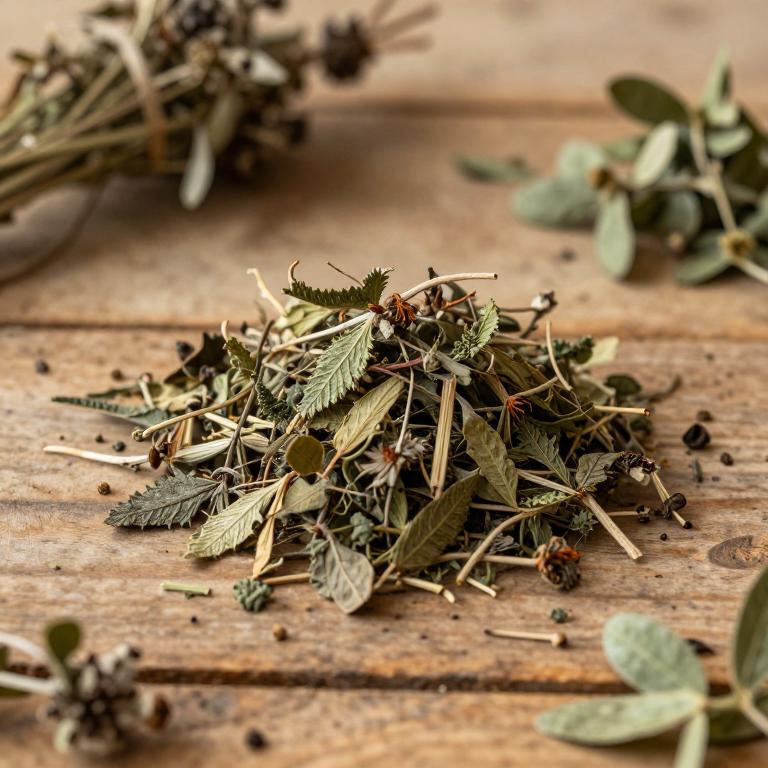
Myristica guatteriifolia is a notable botanical species often studied for its diverse medicinal and ecological properties. This plant is frequently utilized in traditional practices through specific preparations involving its leaves and twigs. Researchers focus on these components to explore their potential therapeutic benefits and chemical compositions. Understanding the biological characteristics of the species helps in documenting its traditional uses accurately. Consequently, the study of its leaf and twig extracts remains a key area of interest in ethnobotanical research.
- Synonyms
- Palala Guatteriifolia · Myristica Litoralis · 4 more
- Common names
- Not available
- Family
- Myristicaceae
- Distribution
- Not available
- Plant Parts
- Not available
Classification
Common Names
Myristica guatteriifolia is a fascinating botanical species recognized by its distinctive characteristics. In certain regions, this plant is commonly referred to by the name 索木葉肉荳蔻. Understanding these local naming conventions helps researchers connect scientific classifications with traditional knowledge. Such linguistic relationships provide valuable insights into how different cultures perceive and utilize various flora. Exploring these connections enriches our broader appreciation for the world's diverse plant life.
Sources: Catalogue of Life (COL)
Synonyms
Myristica guatteriifolia is a complex species that is frequently identified by several different scientific names in botanical literature. It is officially recognized as a synonym of Myristica cookii, reflecting historical shifts in taxonomic classification. Similarly, the plant has been documented under the names Myristica litoralis and Myristica palawanensis. Researchers also acknowledge its relationship to Myristica riedelii within various botanical databases. Finally, the species has been referred to in older records as Palala guatteriifolia, highlighting the evolving nature of its nomenclature.
Sources: The World Checklist of Vascular Plants (WCVP)
Taxonomy
Myristica guatteriifolia belongs to the vast kingdom Plantae, representing the diverse biological complexity of the natural world. Within this kingdom, it is specifically classified under the class Equisetopsida. The plant is further organized into the order Magnoliales, showcasing its evolutionary lineage. It falls under the family Myristicaceae, a group known for its unique botanical characteristics. Finally, this species is identified by its distinct genus, Myristica.
| Rank | Classification |
|---|---|
| Kingdom | Plantae |
| Phylum | Streptophyta |
| Class | Equisetopsida |
| Subclass | Magnoliidae |
| Order | Magnoliales |
| Family | Myristicaceae |
| Genus | Myristica |
Sources: The World Checklist of Vascular Plants (WCVP)
Distribution
Geographic Regions
Myristica guatteriifolia is a diverse species with a broad distribution stretching across various tropical regions of Asia. Its presence is firmly established in Indo-China, specifically within the territories of Myanmar and Vietnam. Moving further south, the plant thrives within the Malesian region, encompassing the lush landscapes of Borneo and Jawa. It can also be found throughout the scattered islands of the Lesser Sunda archipelago. This wide geographic range highlights the plant's ability to adapt to the unique tropical environments found across these diverse territories.
Sources: The World Checklist of Vascular Plants (WCVP)
Identification
Morphology
Myristica guatteriifolia is a self-supporting tree characterized by its robust and sturdy growth form. This species can reach a maximum height of 20 meters as it matures in its natural habitat. Its structural stability allows it to stand prominently within the forest canopy.
Sources: Global Inventory of Floras and Traits (GIFT)
Biological Activities
Compounds
Conditions
Preparations
Myristica guatteriifolia is prepared as leaf and twig (lf/tw) for biological screening. This specific botanical sample was collected from a primary forest plot in the highlands of central Palawan Island, Philippines. The researchers utilized these leaf and twig components to conduct methanol extract testing. During the study, this preparation showed significant effectiveness with an IC50 ≤ 10 microg/mL against Plasmodium falciparum clones. Consequently, the lf/tw extract of Myristica guatteriifolia stands out for its potential antiplasmodial properties.