Myrcia
Myrcia · Accepted scientific name
Scientific literature: Very Sparse (9 studies) · ★☆☆☆☆
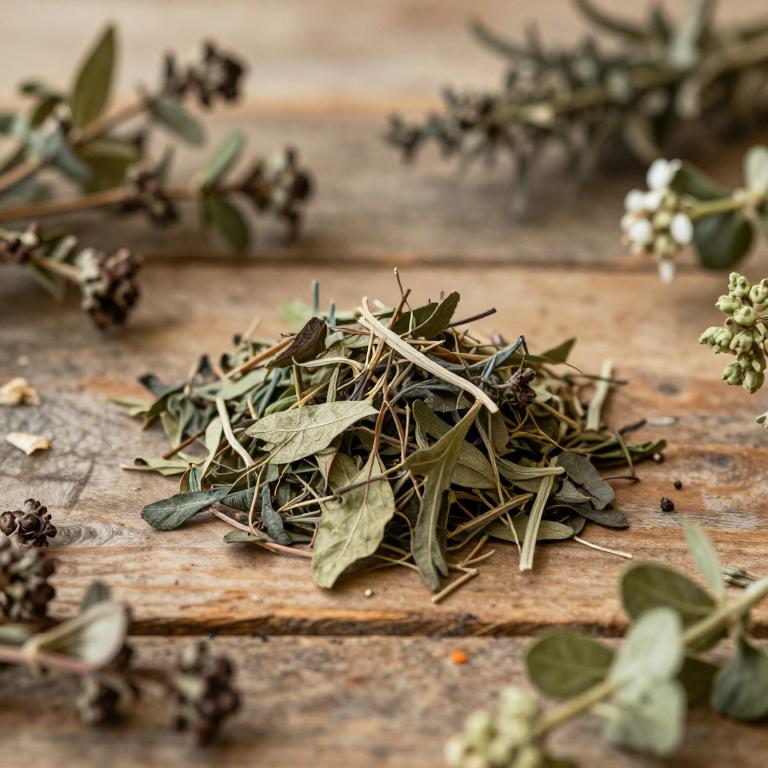
Myrcia, scientifically known as Myrcia, is a diverse genus of flowering plants within the Myrtaceae family. Renowned for its vibrant foliage and seasonal fruits, many species hold significant medicinal value. They are often utilized in traditional practices to treat inflammation, skin ailments, and various digestive issues across tropical regions.
- Family
- Myrtaceae
- Native range
- Northern America
- Parts used
- Not available
- Common names
- Not available
- Scientific synonyms
- Cerqueiria · Cumetea · 14 more
Names and Synonyms
Scientific Names
Accepted name
MyrciaSynonyms
- Cerqueiria
- Cumetea
- Gomidesia
- Krugia
- Calyptromyrcia
- Calyptranthes
- Chytraculia
- Chytralia
- Aulomyrcia
- Eugeniopsis
- Aguava
- Marlierea
- Mozartia
- Calycampe
- Suzygium
- Atomostigma
Regional and Traditional Names
Spanish:
- Calyptromyrcia
- Cumetea
- Cerqueiria
- Aulomyrcia
- Calycampe
- Gomidesia
Sources: Wikidata, Catalogue of Life
Taxonomical Classification
This plant belongs to the kingdom Plantae and is classified under the phylum Streptophyta within the class Equisetopsida. It falls under the subclass Magnoliidae and the order Myrtoales, specifically within the family Myrtaceae. Ultimately, it is categorized under the genus Myrcia.
| Rank | Classification |
|---|---|
| Kingdom | Plantae |
| Phylum | Streptophyta |
| Class | Equisetopsida |
| Subclass | Magnoliidae |
| Order | Myrtales |
| Family | Myrtaceae |
| Genus | Myrcia |
Sources: The World Checklist of Vascular Plants (WCVP)
Distribution
This plant exhibits a broad geographical range spanning from the United States into several regions of Mexico. In the Southeastern United States, its distribution is specifically noted within the state of Florida. Moving into Mexico, the species can be found throughout the central territories of the country. Furthermore, it is widely distributed across the northeastern and northwestern regions of Mexico. Finally, the plant also thrives within the coastal areas of the Mexican Gulf.
| Region | Area |
|---|---|
| Southeastern U.S.A. | Florida |
| Mexico | Mexico Central |
| Mexico | Mexico Northeast |
| Mexico | Mexico Gulf |
| Mexico | Mexico Northwest |
| Mexico | Mexico Southwest |
| Mexico | Mexico Southeast |
| Central America | Belize |
| Central America | Costa Rica |
| Central America | El Salvador |
Sources: The World Checklist of Vascular Plants (WCVP)
Chemicals
Myrcia has 3 reported phytochemicals identified across 0 scientific publications and several other databases. The most consistently reported chemicals include Flavonoids, Tannins, triterpene.
| Chemical | Supporting sources | Consensus |
|---|---|---|
| Flavonoids | 1 supporting sources | ★☆☆☆☆ |
| Tannins | 1 supporting sources | ★☆☆☆☆ |
| triterpene | 1 supporting sources | ★☆☆☆☆ |
Flavonoids
- International journal of molecular sciences
Tannins
- International journal of molecular sciences
triterpene
- International journal of molecular sciences
Activities
Myrcia has 4 reported activities identified across 0 scientific publications and several other databases. The most consistently reported activities include Antimicrobial, Antinociceptive, Antioxidant, Hypoglycemic.
| Activity | Supporting sources | Consensus |
|---|---|---|
| Antimicrobial | 1 supporting sources | ★☆☆☆☆ |
| Antinociceptive | 1 supporting sources | ★☆☆☆☆ |
| Antioxidant | 1 supporting sources | ★☆☆☆☆ |
| Hypoglycemic | 1 supporting sources | ★☆☆☆☆ |
Antimicrobial
- International journal of molecular sciences
Antinociceptive
- International journal of molecular sciences
Antioxidant
- International journal of molecular sciences
Hypoglycemic
- International journal of molecular sciences
Preparations
Myrcia has 2 reported preparations identified across 0 scientific publications and several other databases. The most consistently reported preparations include essential oils, extracts.
| Preparation | Supporting sources | Consensus |
|---|---|---|
| Essential oils | 1 supporting sources | ★☆☆☆☆ |
| Extracts | 1 supporting sources | ★☆☆☆☆ |
Essential oils
- International journal of molecular sciences
Extracts
- International journal of molecular sciences