Myoporum crassifolium
Myoporum crassifolium · Accepted scientific name
Scientific literature: Very Sparse (0 studies) · ★☆☆☆☆
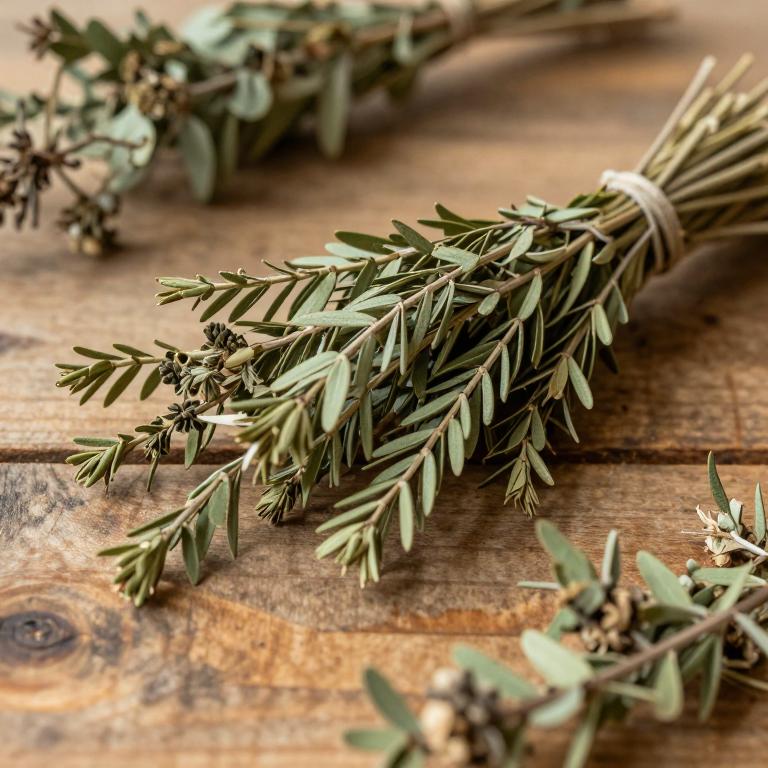
Myoporum crassifolium, commonly known as Bonewood, is a versatile evergreen shrub native to the coastal regions of Australia. This hardy plant is frequently utilized in landscaping due to its ability to thrive in salty, wind-swept environments. Beyond its aesthetic value, the species is studied for its diverse chemical composition and biological properties. One of the most significant ways this plant is utilized is through the extraction of specialized preparations. Specifically, the plant is processed to produce essential oils that are valued for their unique aromatic and therapeutic characteristics.
- Synonyms
- Myoporum Lequerrei
- Common names
- Not available
- Family
- Scrophulariaceae
- Distribution
- Southern America
- Plant Parts
- Not available
Classification
Synonyms
Myoporum crassifolium is a resilient coastal shrub often recognized for its dense, evergreen foliage. In many botanical databases, this species is also identified by its synonym, Myoporum lequerrei. While these two names refer to the same plant, understanding this taxonomic relationship is essential for accurate identification in the field. Such nomenclature variations can sometimes cause confusion among gardeners and researchers alike. Recognizing these synonyms ensures that horticultural efforts remain consistent across different scientific literature.
Sources: The World Checklist of Vascular Plants (WCVP)
Taxonomy
Myoporum crassifolium belongs to the vast kingdom Plantae, representing the diverse world of multicellular organisms. Within this realm, it is classified under the class Equisetopsida, showcasing its fundamental botanical structure. The plant is further organized into the order Lamiales, a group that links it to various other specialized species. As a member of the family Scrophulariaceae, it shares specific evolutionary traits common to its relatives. Ultimately, its identity is defined by its placement within the genus Myoporum, which characterizes its unique biological profile.
| Rank | Classification |
|---|---|
| Kingdom | Plantae |
| Phylum | Streptophyta |
| Class | Equisetopsida |
| Subclass | Magnoliidae |
| Order | Lamiales |
| Family | Scrophulariaceae |
| Genus | Myoporum |
Sources: The World Checklist of Vascular Plants (WCVP)
Distribution
Geographic Regions
Myoporum crassifolium is a resilient species with a widespread distribution throughout the Pacific region. It can be found flourishing across various island chains, particularly throughout the Southwestern Pacific. Specific populations are well-established in the lush landscapes of New Caledonia. Additionally, this plant is a common sight within the tropical environments of Vanuatu. These diverse habitats highlight the remarkable adaptability of the species across its natural range.
Sources: The World Checklist of Vascular Plants (WCVP)
Identification
Morphology
Myoporum crassifolium grows in a sturdy shrub form that provides a lush, dense appearance to coastal landscapes. This resilient plant is entirely self-supporting, allowing it to maintain its structural integrity without the need for external assistance.
Sources: Global Inventory of Floras and Traits (GIFT)
Biological Activities
Compounds
Conditions
Preparations
Myoporum crassifolium is prepared as essential oils to investigate its potential medicinal properties. These oils were specifically evaluated during a screening process of plants from New Caledonia and Vanuatu. The study focused on testing various extracts for their antimycobacterial activity against the Mycobacterium bovis BCG strain. Among the substances tested, the essential oils of this plant demonstrated inhibitory activity at a concentration of 100 microg/ml. This specific preparation allows researchers to assess its effectiveness in treating symptoms related to tuberculosis.