Mutarda arvensis
Mutarda arvensis · Accepted scientific name
Scientific literature: Very Sparse (1 studies) · ★☆☆☆☆
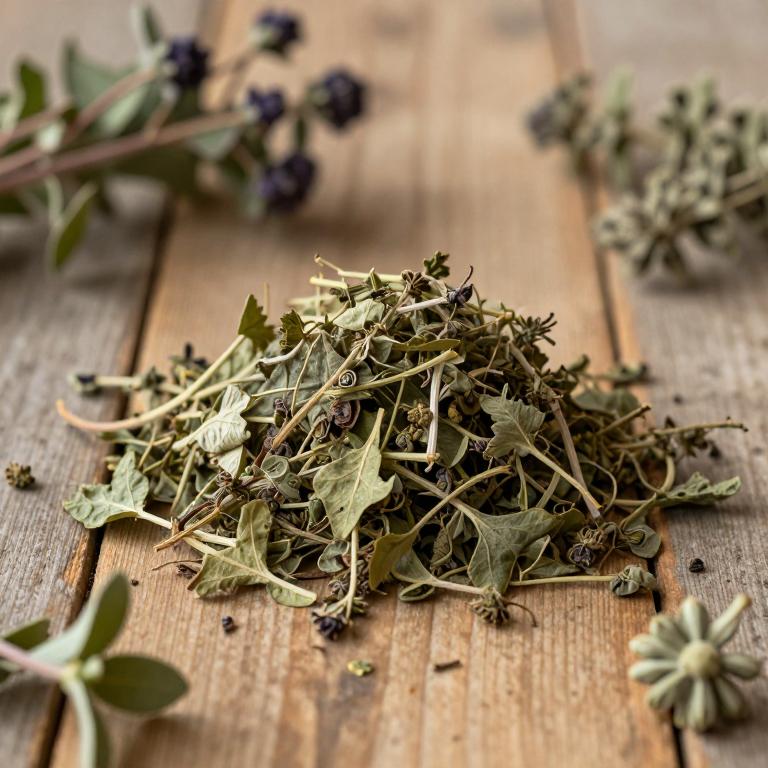
Mutarda arvensis is a noteworthy botanical species frequently studied for its diverse biological properties. Research has highlighted its significant antioxidant activities, which contribute to its potential therapeutic value. To harness these benefits, the plant is commonly processed into various medicinal forms. These preparations often include finely dry powdered versions or concentrated liquid extracts. Understanding these applications provides essential insights into the plant's medicinal utility.
- Synonyms
- Napus Agriasinapis · Raphanus Orientalis · 46 more
- Common names
- Not available
- Family
- Brassicaceae
- Distribution
- Not available
- Plant Parts
- Not available
Classification
Synonyms
Mutarda arvensis is a botanical subject characterized by a complex web of taxonomic synonyms. Scientific literature frequently identifies this plant under the alternative name Agrosinapis arvensis. Its classification also encompasses various specific forms, such as Brassica arvensis var. orientalis and Brassica arvensis var. schkuhriana. Further nomenclatural connections link the species to Brassica barbareifolia within various historical records. Finally, the plant is often recognized through the synonym Brassica kaber, illustrating the intricate linguistic history of its identification.
Sources: The World Checklist of Vascular Plants (WCVP)
Taxonomy
Mutarda arvensis is a fascinating organism that belongs to the diverse kingdom Plantae. Within this vast biological realm, it is specifically classified under the class Equisetopsida. This plant is further organized into the order Brassicales, showcasing its evolutionary lineage. It also falls under the family Brassicaceae, which connects it to many well-known cruciferous species. Finally, its taxonomic journey concludes within the specific genus Mutarda.
| Rank | Classification |
|---|---|
| Kingdom | Plantae |
| Phylum | Streptophyta |
| Class | Equisetopsida |
| Subclass | Magnoliidae |
| Order | Brassicales |
| Family | Brassicaceae |
| Genus | Mutarda |
Sources: The World Checklist of Vascular Plants (WCVP)
Distribution
Geographic Regions
Mutarda arvensis is a widespread species with a significant presence throughout the African continent. Its distribution spans from the northern reaches of Algeria to the subtropical regions of Northeast Tropical Africa, including the Sudan-South Sudan area. Beyond the mainland, this plant thrives across the Macaronesia islands, establishing itself in the Azores, Madeira, and the Canary Islands. This expansive range highlights the plant's ability to adapt to diverse ecological niches across different island chains and continental climates. Consequently, understanding its geographical footprint provides valuable insight into its ecological versatility across these varied territories.
Sources: The World Checklist of Vascular Plants (WCVP)
Identification
Biological Activities
Sinapis arvensis has demonstrated significant potential as a source of natural bioactive compounds through recent scientific investigation. HPLC analysis revealed that the plant is notably rich in caffeic and ferulic acids, which contribute to its chemical complexity. These specific constituents play a vital role in the plant's observed antioxidant properties. During testing, the extracts showed particularly high cupric reducing power, highlighting their ability to combat oxidative stress. Such findings underscore the importance of exploring this wild flora for its pharmacological applications.
Compounds
Conditions
Sinapis arvensis (Mutarda arvensis) exhibits significant biological versatility, including demonstrating the highest cupric reducing power among tested extracts. The plant also acts as a molluscicide that effectively treats the egg laying capacity of Biomphalaria alexandrina snails. Furthermore, the species shows evolutionary responses when subjected to various environmental stressors, such as high boron. It similarly manages the physiological impacts of high salt through phenotypic selection. Finally, the plant adapts to low light conditions by altering its flowering time and growth strategies.
Preparations
Mutarda arvensis, also identified in the text as Sinapis arvensis, is prepared as a dry powder to demonstrate molluscicidal activity against intermediate hosts like Biomphalaria alexandrina. This powdered form is used to inhibit specific enzymes and reduce the cercarial production and egg-laying capacity of snails. Additionally, Mutarda arvensis is prepared as extracts to facilitate HPLC-based chemical characterization. These extracts are used to analyze the presence of caffeic and ferulic acids within the plant. The study further utilizes these extracts to evaluate the plant's antioxidant properties and its cupric reducing power.