White Flag
Mussaenda glabrata · Accepted scientific name
Scientific literature: Very Sparse (5 studies) · ★☆☆☆☆
White Flag, scientifically known as Mussaenda glabrata, is a striking ornamental shrub celebrated for its brilliant, scarlet-red bracts. Native to tropical regions, this plant is highly valued in traditional medicine for its potential therapeutic properties, offering a unique blend of aesthetic beauty and botanical significance within diverse healing practices.
- Family
- Rubiaceae
- Native range
- Asia-Tropical
- Parts used
- Leaf
- Common names
- White Flag
- Scientific synonyms
- Mussaenda Frondosa Var. Glabrata
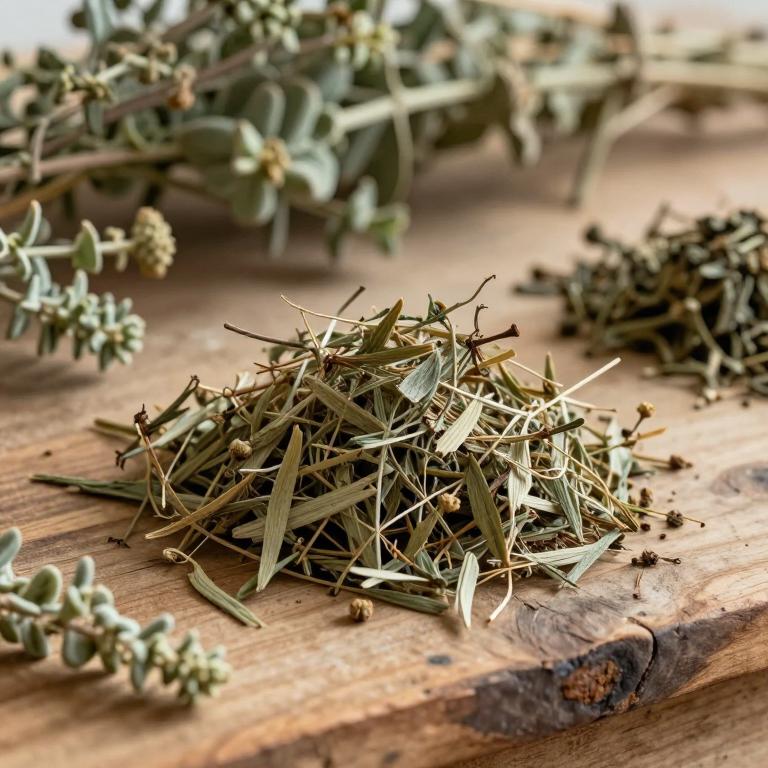
Names and Synonyms
Common Names
- White Flag
Scientific Names
Accepted name
Mussaenda glabrataSynonyms
- Mussaenda frondosa var. glabrata
Sources: Wikidata, Catalogue of Life
Taxonomical Classification
This plant belongs to the kingdom Plantae and is classified under the phylum Streptophyta and the class Equisetopsida. Within the subclass Magnoliidae and the order Gentianaales, it is a member of the family Rubiaceae. Specifically, its taxonomic identity is defined by the genus Mussaenda, which includes the species Mussaenda glabrata.
| Rank | Classification |
|---|---|
| Kingdom | Plantae |
| Phylum | Streptophyta |
| Class | Equisetopsida |
| Subclass | Magnoliidae |
| Order | Gentianales |
| Family | Rubiaceae |
| Genus | Mussaenda |
Sources: The World Checklist of Vascular Plants (WCVP)
Distribution
This plant exhibits a specific geographical range within the Indian Subcontinent. Its native habitat is primarily concentrated in the nations of India and Bangladesh. Within these regions, it thrives in suitable tropical or subtropical environments. The distribution pattern indicates that it is a localized species found across these neighboring South Asian territories. Consequently, its presence is a notable feature of the botanical landscape in both countries.
| Region | Area |
|---|---|
| Indian Subcontinent | Bangladesh |
| Indian Subcontinent | India |
Sources: The World Checklist of Vascular Plants (WCVP)
Botanical Identification
Life history
The life history of Mussaenda glabrata is characterized by a perennial lifecycle, allowing the plant to persist through multiple growing seasons and establish a stable presence in its habitat. In terms of its structural growth and ecological positioning, the species exhibits distinct life forms, primarily classified as a phanerophyte, where its reproductive shoots are elevated well above the ground level. Additionally, its growth architecture can be described through the lens of nanophanerophyte characteristics, reflecting the specific height and scale of its woody stems and foliage within its ecosystem.
- Life form :
- nanophanerophyte
- Life form :
- phanerophyte
- Lifecycle :
- perennial
Morphology
The morphology of Mussaenda glabrata is characterized by its growth form as a woody shrub, exhibiting a robust and stable structure. It is a terrestrial plant, lacking aquatic or semiaquatic adaptations, and functions as an independent organism rather than acting as a parasite or an epiphyte. As a self-supporting shrub, it does not possess the climbing mechanisms associated with obligatory climbers, maintaining a distinct and upright vegetative habit.
- Aquatic :
- terrestrial
- Climber :
- obligatory
- Epiphyte :
- terrestrial
- Growth form :
- shrub
- Parasite :
- independent
- Woodiness :
- woody
Sources: Global Inventory of Floras and Traits (GIFT)
Plant Parts
Mussaenda glabrata has 1 reported plant parts identified across 1 scientific publications and several other databases that are studied for medicinal purposes. The most consistently reported plant part include leaf.
| Plant part | Supporting sources | Consensus |
|---|---|---|
| Leaf | 1 supporting sources | ★☆☆☆☆ |
Leaf
- Journal of natural medicines
Activities
Mussaenda glabrata has 1 reported activities identified across 1 scientific publications and several other databases. The most consistently reported activities include Cytotoxic.
| Activity | Supporting sources | Consensus |
|---|---|---|
| Cytotoxic | 1 supporting sources | ★☆☆☆☆ |
Cytotoxic
- Journal of natural medicines
Conditions
Mussaenda glabrata has 3 reported investigations on conditions identified across 1 scientific publications and several other databases. The most consistently reported conditions include breast cancer, colon cancer, gastric cancer.
| Condition | Supporting sources | Consensus |
|---|---|---|
| Breast cancer | 1 supporting sources | ★☆☆☆☆ |
| Colon cancer | 1 supporting sources | ★☆☆☆☆ |
| Gastric cancer | 1 supporting sources | ★☆☆☆☆ |
Breast cancer
- Journal of natural medicines
Colon cancer
- Journal of natural medicines
Gastric cancer
- Journal of natural medicines
Preparations
Mussaenda glabrata has 1 reported preparations identified across 1 scientific publications and several other databases. The most consistently reported preparations include leaf.
| Preparation | Supporting sources | Consensus |
|---|---|---|
| Leaf | 1 supporting sources | ★☆☆☆☆ |
Leaf
- Journal of natural medicines