Murraya alata
Murraya alata · Accepted scientific name
Scientific literature: Very Sparse (0 studies) · ★☆☆☆☆
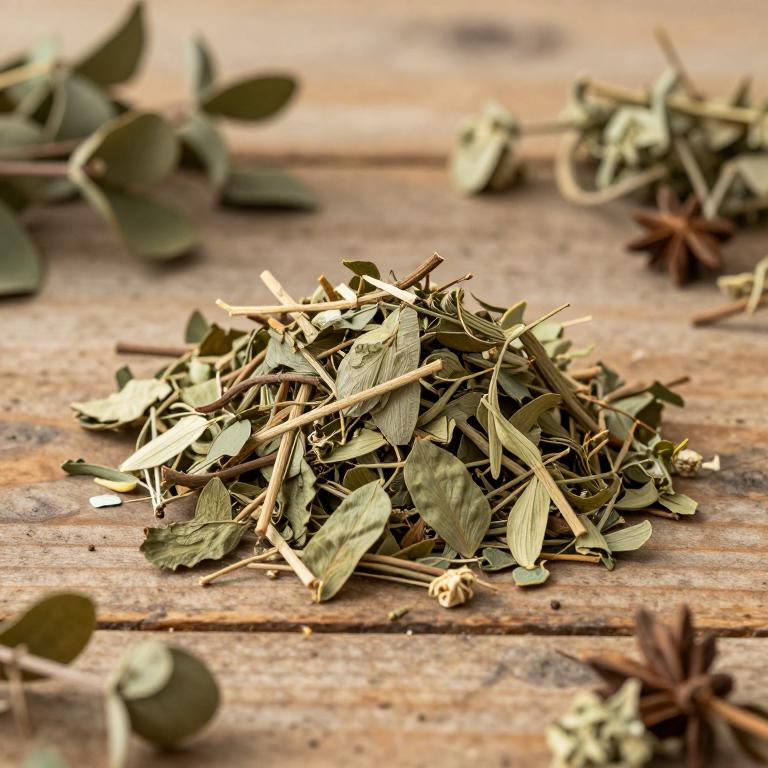
Murraya alata is a versatile plant widely recognized in traditional medicine for its diverse healing properties. When prepared as an active extract, this botanical specimen serves as a potent remedy for various ailments. It is frequently utilized to alleviate the intense discomfort associated with severe headaches and persistent toothaches. Furthermore, its unique chemical composition offers significant aid in treating the effects of snake bites. This plant remains a vital resource for those seeking natural therapeutic solutions.
- Synonyms
- Chalcas Alata · Murraya Alata Var. Hainanensis
- Common names
- Not available
- Family
- Rutaceae
- Distribution
- Not available
- Plant Parts
- Not available
Classification
Common Names
Murraya alata is a botanical species widely recognized by its distinctive common names. In certain regions, it is referred to as 翼叶九里香, a name that highlights its unique characteristics. It is also frequently identified by the name 翼葉九里香 in different linguistic contexts. These various naming conventions help gardeners and researchers identify the plant across different cultural landscapes. Understanding these synonymous relationships is essential for anyone studying the diverse taxonomy of this species.
Sources: Catalogue of Life (COL)
Synonyms
Murraya alata is a botanical subject often identified through various taxonomic designations. Within scientific literature, this plant is recognized by its synonym, Chalcas alata. Furthermore, researchers may encounter it listed as Murraya alata var. hainanensis depending on the specific classification used. Understanding these overlapping names is essential for accurate identification in field studies. Navigating these synonym relationships ensures that botanists can maintain consistency across different biological databases.
Sources: The World Checklist of Vascular Plants (WCVP)
Taxonomy
Murraya alata is a fascinating botanical specimen that belongs to the expansive kingdom Plantae. Within this vast realm, it is specifically classified under the class Equisetopsida. The plant is further organized into the order Sapindales, showcasing its evolutionary connections. It sits within the distinct genus Murraya, a group known for its unique characteristics. Finally, it is a proud member of the Rutaceae family, linking it to other citrus-related species.
| Rank | Classification |
|---|---|
| Kingdom | Plantae |
| Phylum | Streptophyta |
| Class | Equisetopsida |
| Subclass | Magnoliidae |
| Order | Sapindales |
| Family | Rutaceae |
| Genus | Murraya |
Sources: The World Checklist of Vascular Plants (WCVP)
Distribution
Geographic Regions
Murraya alata displays a diverse geographical range that spans across various ecological zones in Asia. This species is widely distributed throughout the temperate regions of China, including the specific coastal area of Hainan. Beyond these northern reaches, the plant also thrives within the tropical climates of the Indo-China peninsula. Its presence in Vietnam further highlights its ability to adapt to the humid environments of Southeast Asia. Together, these locations illustrate a broad distribution pattern that connects temperate and tropical habitats.
Sources: The World Checklist of Vascular Plants (WCVP)
Identification
Morphology
Murraya alata is a self-supporting plant that maintains its own structure without the need for external assistance or climbing supports.
Sources: Global Inventory of Floras and Traits (GIFT)
Biological Activities
Compounds
Conditions
Murraya alata serves as a medicinal herb used for the relief of various painful conditions. This plant is traditionally utilized to treat headaches and soothe toothaches. It also provides therapeutic benefits for managing rheumatic pain. Furthermore, its components are effective in treating inflammatory pain through specific molecular mechanisms. Finally, the plant is recognized for its ability to treat snake bites.
Preparations
Murraya alata is prepared as an active extract to identify potent medicinal compounds like muralatin L. This specific extract was utilized in a fluorescent calcium FlexStation assay to target TRPV1 channels. Through bioassay-guided fractionation, researchers isolated the novel coumarin derivative from this plant material. The resulting extract serves as a crucial source for studying how specific molecules can reverse inflammatory pain. Consequently, the preparation of Murraya alata in this manner facilitates the discovery of new pharmaceutical applications for pain therapy.