Moullava spicata
Moullava spicata · Accepted scientific name
Scientific literature: Very Sparse (0 studies) · ★☆☆☆☆
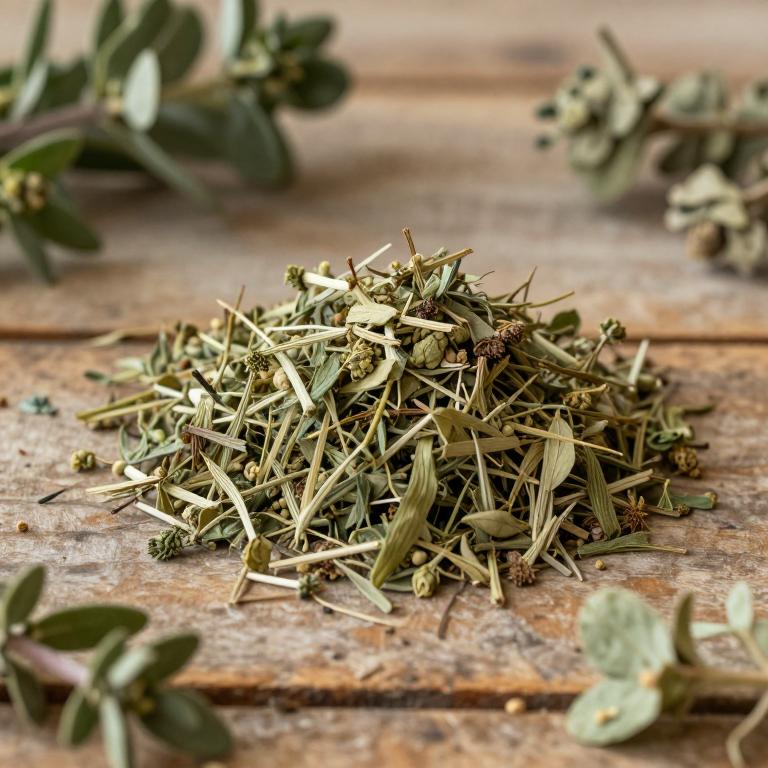
Moullava spicata is a distinctive botanical species recognized for its unique medicinal properties in traditional practices. This plant is frequently utilized in herbal remedies to address specific skin ailments and inflammatory conditions. It is particularly noted for its ability to soothe painful boils that afflict the body. Furthermore, it serves as an effective topical treatment for healing various types of wounds. Integrating this plant into wellness routines offers a natural approach to managing these common physical discomforts.
- Synonyms
- Wagatea Spicata · Almeloveenia Spinosa · 1 more
- Common names
- Not available
- Family
- Fabaceae
- Distribution
- Not available
- Plant Parts
- Not available
Classification
Common Names
Moullava spicata is a distinctive botanical species known by various regional and linguistic identifiers. In certain local contexts, it is frequently referred to by the common name वाकेरी. Its identity is also recognized internationally through the Chinese common name 穗花云实. These diverse names highlight the plant's widespread presence across different cultural and geographical landscapes. Understanding these various monikers is essential for researchers and enthusiasts studying its unique characteristics.
Sources: Catalogue of Life (COL)
Synonyms
Moullava spicata is a botanical species that is known by several different scientific names due to historical taxonomic classifications. In various botanical records, it has been identified by the synonym Almeloveenia spinosa. The plant is also frequently referred to in older literature as Caesalpinia heyneana. Additionally, the name Wagatea spicata serves as another recognized synonym for this specific organism. Understanding these varying designations is essential for researchers navigating the complex relationships within plant nomenclature.
Sources: The World Checklist of Vascular Plants (WCVP)
Taxonomy
Moullava spicata is a distinct member of the kingdom Plantae. Within this vast biological realm, it is classified under the class Equisetopsida. The plant belongs to the order Fabales, which connects it to a specific group of flowering plants. Furthermore, it is nested within the well-known family Fabaceae. Ultimately, this species is identified by its unique genus, Moullava.
| Rank | Classification |
|---|---|
| Kingdom | Plantae |
| Phylum | Streptophyta |
| Class | Equisetopsida |
| Subclass | Magnoliidae |
| Order | Fabales |
| Family | Fabaceae |
| Genus | Moullava |
Sources: The World Checklist of Vascular Plants (WCVP)
Distribution
Geographic Regions
Moullava spicata exhibits a broad geographical range that spans across two major continents. In Africa, this species is specifically documented within the tropical regions of East Africa, including Tanzania. Its presence extends deeply into Asia, where it is widely distributed throughout the Indian Subcontinent and India. Furthermore, the plant is well-established across the Malesia region, specifically appearing in Jawa, Malaya, and Sumatera. This extensive distribution highlights the plant's ability to thrive in various tropical environments across the globe.
Sources: The World Checklist of Vascular Plants (WCVP)
Identification
Morphology
Moullava spicata is characterized by its distinctive liana growth habit, allowing it to climb and weave through its surrounding environment.
Sources: Global Inventory of Floras and Traits (GIFT)
Biological Activities
Compounds
Conditions
Moullava spicata is recognized for its medicinal capacity to treat boils. This plant species is also utilized for its effectiveness in treating wounds. Additionally, its therapeutic properties extend to the management of open wounds. These specific relationships highlight the plant's importance in traditional healing practices. The use of Moullava spicata provides a natural approach to addressing these various skin conditions.