Mosannona depressa subsp. depressa
Mosannona depressa subsp. depressa · Accepted scientific name
Scientific literature: Very Sparse (0 studies) · ★☆☆☆☆
Mosannona depressa subsp. depressa is a specialized botanical subspecies recognized for its unique chemical profile. One of its most significant bioactive constituents is alpha-Asarone, a compound that plays a crucial role in its pharmacological potential. Scientific interest in this plant often focuses on its ability to address metabolic issues related to cholesterol and cholesterol esters. Consequently, it is frequently studied for its therapeutic implications in managing hypercholesterolemia. Furthermore, research suggests that its properties may offer support for individuals dealing with conditions such as cholelithiasis.
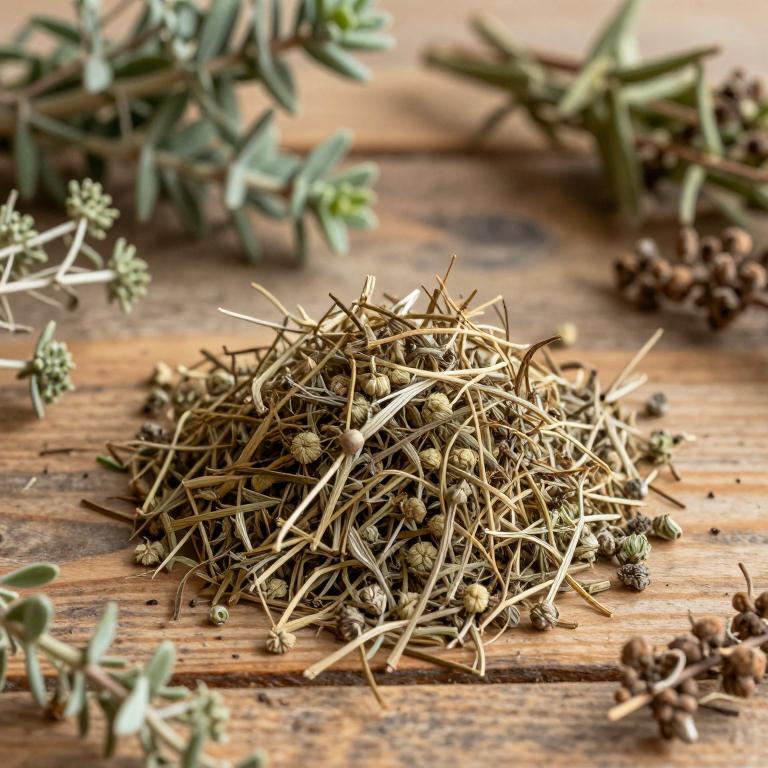
- Synonyms
- Malmea Gaumeri · Malmea Leiophylla · 3 more
- Common names
- Not available
- Family
- Annonaceae
- Distribution
- Not available
- Plant Parts
- Not available
Classification
Common Names
Mosannona depressa subsp. depressa is a unique botanical species recognized by a variety of different names. Locally, this plant is frequently referred to by the common name lancewood. It is also widely known among certain communities as wild soursop. Furthermore, the name yumel is often used to identify this specific subspecies. These diverse monikers highlight the plant's cultural and regional importance across different areas.
Sources: Catalogue of Life (COL)
Synonyms
Mosannona depressa subsp. depressa is a complex botanical entity characterized by a diverse array of taxonomic synonyms. Scientific literature identifies this specific subspecies under several different names, including Duguetia leiophylla and Guatteria gaumeri. It is also frequently referred to in various studies as Guatteria leiophylla. Furthermore, the plant has been documented under the classifications of Malmea gaumeri and Malmea leiophylla. Navigating these overlapping nomenclatures is essential for researchers seeking to accurately identify this particular taxon.
Sources: The World Checklist of Vascular Plants (WCVP)
Taxonomy
Mosannona depressa subsp. depressa is a unique botanical specimen belonging to the vast kingdom Plantae. This specific plant is classified under the class Equisetopsida and falls within the diverse order Magnoliales. Within this biological framework, it is a member of the family Annonaceae. Further taxonomic precision places the species within the distinct genus Mosannona. Together, these classifications define the essential evolutionary lineage of this particular subspecies.
| Rank | Classification |
|---|---|
| Kingdom | Plantae |
| Phylum | Streptophyta |
| Class | Equisetopsida |
| Subclass | Magnoliidae |
| Order | Magnoliales |
| Family | Annonaceae |
| Genus | Mosannona |
Sources: The World Checklist of Vascular Plants (WCVP)
Distribution
Geographic Regions
Mosannona depressa subsp. depressa maintains a remarkably broad geographic range that stretches across multiple continents. In North America, this subspecies is widely distributed throughout various regions of Mexico, including the Gulf, Central, Southeast, and Southwest areas. Its presence extends southward into Central America, where it can be found thriving in Belize. This expansive habitat allows the plant to inhabit diverse ecological niches across the Americas. Consequently, the species demonstrates a significant level of adaptability to different environmental conditions throughout its range.
Sources: The World Checklist of Vascular Plants (WCVP)
Identification
Biological Activities
Compounds
Mosannona depressa subsp. depressa contains alpha-asarone, a chemical compound that has garnered significant scientific interest due to its unique biological properties. Research indicates that this specific substance possesses hypocholesterolemic qualities, which are often extracted from related species like Guatteria gaumeri. Studies focusing on its physiological impact have examined how exposure to alpha-asarone affects sister-chromatid exchange in various biological systems. By testing both human lymphocytes in vitro and murine bone marrow cells in vivo, researchers identified a slight but consistent increase in SCE induction. These findings highlight the complex cellular interactions triggered by the presence of alpha-asarone within plant extracts.
Conditions
Mosannona depressa subsp. depressa treats the activities of glycerol-3-phosphate dehydrogenase and malic enzyme by decreasing their function in lipid synthesis. The plant also treats alpha-asarone toxicity, as studies indicate that long-term exposure to this compound can cause morphologic alterations and protein inhibition in hepatocytes. Furthermore, Mosannona depressa subsp. depressa treats cholelithiasis by significantly reducing the weight of gallstones. Finally, the plant treats cholesterol through its hypolipidemic effects, which include a decrease in the secretion and synthesis of various lipids.