Moquiniastrum blanchetianum
Moquiniastrum blanchetianum · Accepted scientific name
Scientific literature: Very Sparse (19 studies) · ★☆☆☆☆
Moquinias blanchetianum, scientifically known as Moquinias blanchetianum, is a remarkable medicinal shrub native to tropical regions. Renowned for its diverse therapeutic properties, this plant is frequently utilized in traditional medicine to treat various ailments. Exploring its phytochemical profile reveals significant potential for developing modern pharmacological treatments and herbal remedies.
- Family
- Not available
- Native range
- Southern America
- Parts used
- Not available
- Common names
- Not available
- Scientific synonyms
- Not available
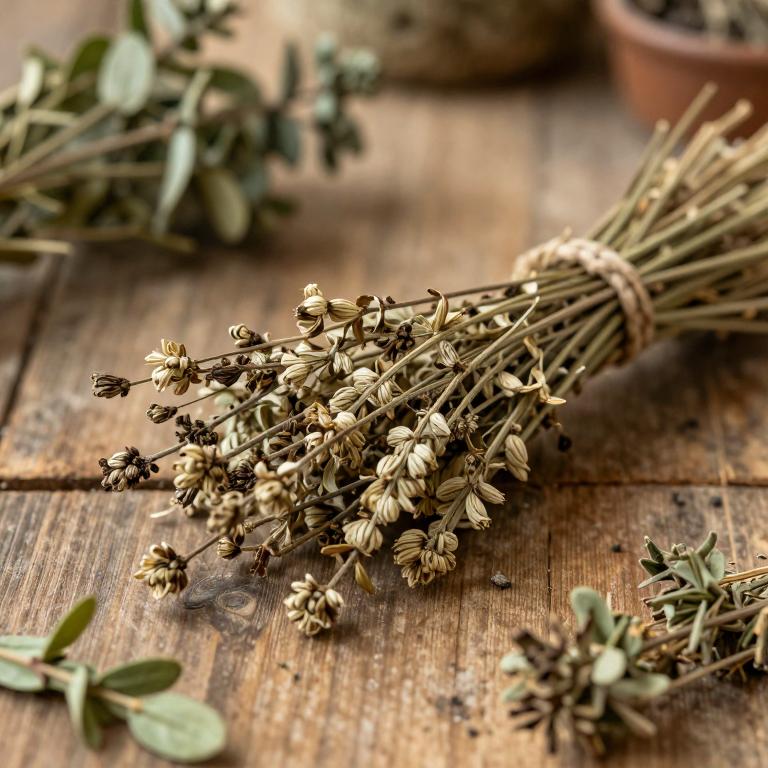
Names and Synonyms
Scientific Names
Accepted name
Moquiniastrum blanchetianumDistribution
This plant, Moquiniastrum blanchetianum, exhibits a specific distribution pattern across the diverse landscapes of Brazil. Its presence is documented within the West-Central region, where it adapts to local environmental conditions. Additionally, the species can be found inhabiting various areas throughout the Northeast of the country. The geographical range also extends into the Southeast, showcasing its ability to thrive in multiple climatic zones. Collectively, these locations highlight the plant's significant spread across several key Brazilian territories.
| Region | Area |
|---|---|
| Brazil | Brazil West-Central |
| Brazil | Brazil Northeast |
| Brazil | Brazil Southeast |
Sources: The World Checklist of Vascular Plants (WCVP)
Botanical Identification
Ecology
The ecology of Moquiniastrum blanchetianum is defined by its adaptation to the diverse and often harsh environmental conditions of the Brazilian tropical landscapes, specifically occurring within the Caatinga (stricto sensu) and the Cerrado (lato sensu) biomes. As a species integrated into these seasonally dry and fire-prone ecosystems, it thrives in habitats characterized by marked seasonality in rainfall and high solar radiation. In the Caatinga, the plant must withstand prolonged periods of drought and high temperatures, while in the Cerrado, it occupies niches that may feature more acidic soils and periodic fire regimes. Its presence in these specific vegetative formations indicates a specialized physiological capacity to manage water scarcity and nutrient availability, allowing it to play a functional role in the structural complexity and biodiversity of these semi-arid and savanna-like environments.
- Habitat :
- Caatinga (stricto sensu), Cerrado (lato sensu)
Morphology
The morphology of Moquinia strum blanchetianum is characterized by its growth form as a woody shrub that reaches a maximum plant height of 4 meters. As a terrestrial species, it does not exhibit aquatic or semiaquatic tendencies, nor does it function as an epiphyte or a parasite, remaining an independent organism within its ecosystem. The plant is self-supporting in its structure, lacking the climbing habits of obligatory or facultative climbers, and maintains a robust, woody constitution throughout its development.
- Aquatic :
- terrestrial
- Climber :
- self-supporting
- Epiphyte :
- terrestrial
- Growth form :
- shrub
- Parasite :
- independent
- Plant height max:
- 4 m
- Woodiness :
- woody
Sources: Global Inventory of Floras and Traits (GIFT)
Chemicals
Moquiniastrum blanchetianum has 1 reported phytochemicals identified across 0 scientific publications and several other databases. The most consistently reported chemicals include betulinic acid.
| Chemical | Supporting sources | Consensus |
|---|---|---|
| betulinic acid | 1 supporting sources | ★☆☆☆☆ |
betulinic acid
- Dr. Duke
Activities
Moquiniastrum blanchetianum has 18 reported activities identified across 0 scientific publications and several other databases. The most consistently reported activities include Anthelmintic, AntiHIV, Antibacterial, Anticancer, Anticarcinomic.
| Activity | Supporting sources | Consensus |
|---|---|---|
| Anthelmintic | 1 supporting sources | ★☆☆☆☆ |
| AntiHIV | 1 supporting sources | ★☆☆☆☆ |
| Antibacterial | 1 supporting sources | ★☆☆☆☆ |
| Anticancer | 1 supporting sources | ★☆☆☆☆ |
| Anticarcinomic | 1 supporting sources | ★☆☆☆☆ |
| Antiedemic | 1 supporting sources | ★☆☆☆☆ |
| Antiinflammatory | 1 supporting sources | ★☆☆☆☆ |
| Antileukemic | 1 supporting sources | ★☆☆☆☆ |
| Antimalarial | 1 supporting sources | ★☆☆☆☆ |
| Antimelanomic | 1 supporting sources | ★☆☆☆☆ |
Anthelmintic
- Dr. Duke
AntiHIV
- Dr. Duke
Antibacterial
- Dr. Duke
Anticancer
- Dr. Duke
Anticarcinomic
- Dr. Duke
Antiedemic
- Dr. Duke
Antiinflammatory
- Dr. Duke
Antileukemic
- Dr. Duke
Antimalarial
- Dr. Duke
Antimelanomic
- Dr. Duke