Momordica
Momordica · Accepted scientific name
Scientific literature: Very Sparse (0 studies) · ★☆☆☆☆
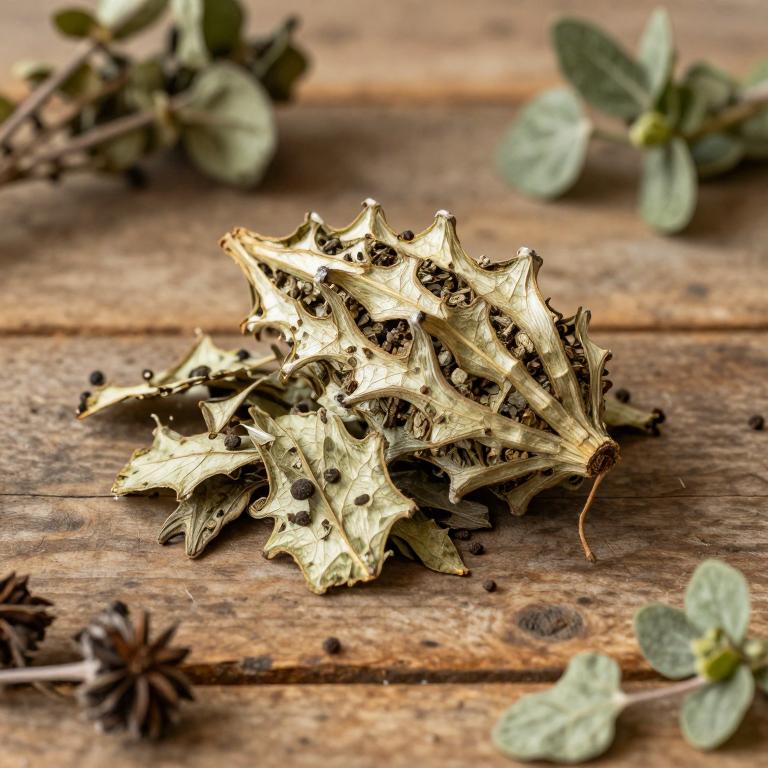
Momordica is a diverse genus of flowering plants renowned for producing unique and biologically active fruits. Many species within this group are cultivated specifically for their nutritional value and medicinal potential. A common way to harness these benefits is through the careful processing of the fruit into a potent extract. This concentrated liquid serves as a versatile ingredient in various traditional and modern wellness applications. Understanding the characteristics of the fruit is essential for utilizing the plant's full therapeutic range.
- Synonyms
- Dimorphochlamys · Calpidosicyos · 6 more
- Common names
- Not available
- Family
- Cucurbitaceae
- Distribution
- Southern America
- Plant Parts
- Fruit
Classification
Common Names
Momordica is a diverse genus of plants recognized by various names across different cultures and languages. In some regions, it is widely known by its common name momordika, while others refer to it as karvaskurkut. The plant also carries local identifiers such as pepino cimarrón y parientes in certain Spanish-speaking areas. Its linguistic reach extends globally, appearing as Момордика in Cyrillic scripts and มะระ ฟักข้าว ฯลฯ in Thai. These varied common names highlight the widespread botanical presence and cultural importance of this unique genus.
Sources: Catalogue of Life (COL)
Synonyms
Momordica is a diverse genus that has historically been categorized under several different botanical names. Throughout taxonomic studies, it has been recognized by various synonyms, including Calpidosicyos and Dimorphochlamys. Researchers have also frequently utilized the names Eulenburgia and Muricia to describe members of this group. Furthermore, the genus has been associated with the synonym Nevrosperma in different scientific contexts. Understanding these overlapping classifications is essential for accurate botanical identification and study.
Sources: The World Checklist of Vascular Plants (WCVP)
Taxonomy
Momordica belongs to the vast kingdom Plantae, representing a diverse group of living organisms. Within this kingdom, the plant is classified under the class Equisetopsida. It further falls into the order Cucurbitales, which helps define its biological lineage. Specifically, this plant is a member of the family Cucurbitaceae, a group known for many familiar creeping vines. Ultimately, the plant is identified by its own unique genus, Momordica.
| Rank | Classification |
|---|---|
| Kingdom | Plantae |
| Phylum | Streptophyta |
| Class | Equisetopsida |
| Subclass | Magnoliidae |
| Order | Cucurbitales |
| Family | Cucurbitaceae |
| Genus | Momordica |
Sources: The World Checklist of Vascular Plants (WCVP)
Distribution
Geographic Regions
Momordica exhibits a widespread distribution across several diverse regions within the African continent. In East Tropical Africa, the genus is prominently established in the countries of Kenya, Tanzania, and Uganda. Beyond the mainland, its presence extends to the Macaronesia region, specifically reaching the Canary Islands. The plant also thrives in the Atlantic archipelago of Cape Verde. This broad geographic range highlights the adaptability of Momordica to various African climates and island ecosystems.
Sources: The World Checklist of Vascular Plants (WCVP)
Identification
Biological Activities
Compounds
Momordica is highlighted as a beneficial plant species for the traditional management of type 2 diabetes mellitus. Research indicates that this plant contains essential trace elements, specifically chromium (Cr) and manganese (Mn), which play positive roles in diabetes treatment. These elements are found in various protein fractions within the plant's edible parts. Furthermore, the presence of Cr and Mn in Momordica occurs at levels that pose no significant health or cancer risks to consumers. Consequently, the consumption of Momordica is recommended as a natural way to utilize these accessible mineral species for metabolic health.
Conditions
Preparations
Momordica charantia is prepared as a fruit extract to serve as a medicinal component in treating various diseases. This specific Momordica fruit extract is utilized in studies to investigate its effects on lipid profiles and lipogenic enzymes in diabetic rats. When administered alongside sodium orthovanadate, the fruit extract acts as a powerful antihyperglycemic and hypolipidemic agent. The preparation of this extract allows for a combined treatment that effectively prevents metabolic alterations caused by diabetes. Ultimately, using Momordica as a fruit extract provides a therapeutic method to maintain physiological parameters near normal control values.
Parts used
Momordica charantia, widely known as bitter gourd, serves as a significant medicinal plant in Ayurvedic practices for managing various ailments. Specifically, the fruit of this plant is utilized to create extracts that possess potent therapeutic properties. Research indicates that Momordica fruit extract can effectively help prevent lipid profile alterations in diabetic subjects. When administered alongside sodium orthovanadate, the extract demonstrates a powerful hypoglycemic and hypolipidemic effect. Ultimately, the medicinal value of the Momordica fruit provides a promising natural approach to managing diabetes-related complications.