Moluccella
Moluccella · Accepted scientific name
Scientific literature: Very Sparse (0 studies) · ★☆☆☆☆
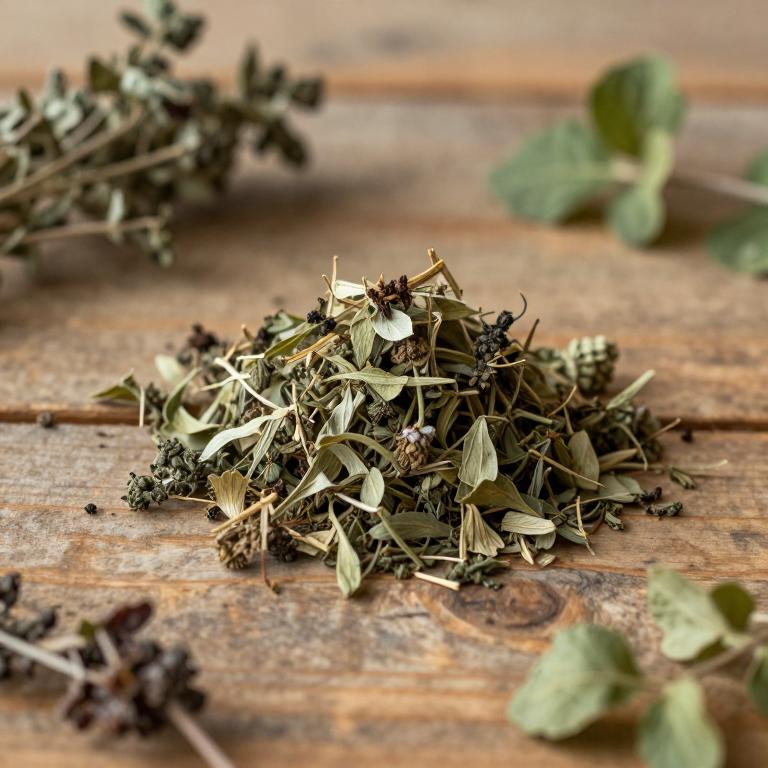
Moluccella is a fascinating botanical genus that offers unique biological characteristics across its various structures. Every part of the plant, including the flower, leaf, root, and seed, contributes to its complex organic profile. Scientists have identified specific chemical markers within the plant, such as the compound 2-PENTADECANONE. These components are highly valued for the production of specialized essential oil. Understanding these diverse elements provides deeper insight into the plant's chemical and physical properties.
- Synonyms
- Chasmonia · Harmsiella · 2 more
- Common names
- Not available
- Family
- Lamiaceae
- Distribution
- Not available
- Plant Parts
- Flower · Leaf
Classification
Common Names
Moluccella is a fascinating plant that is recognized by many different names across various cultures and languages. In Poland, it is affectionately known by the common names Dzwonki or Gniazdeczka. German speakers often refer to this unique species as Muschelblume, highlighting its distinctive shape. In other regions, it may be called kotilokukat, adding to its diverse linguistic identity. Ultimately, many simply identify it by its botanical namesake, Moluccella.
Sources: Catalogue of Life (COL)
Synonyms
Moluccella is a genus that has been subject to various taxonomic reclassifications over time. Throughout botanical history, several names have been formally linked to this plant as synonyms. These include the names Chasmonia and Harmsiella, which represent different historical perspectives on its classification. Additionally, the genus has been associated with the synonyms Molucca and Sulaimania in various scientific records. Understanding these shifting relationships is essential for accurate identification and botanical study.
Sources: The World Checklist of Vascular Plants (WCVP)
Taxonomy
Moluccella belongs to the expansive kingdom Plantae, marking its place among the diverse world of vegetation. Within this kingdom, it is classified under the class Equisetopsida, a group of flowering plants. The plant further finds its specific niche within the order Lamiales. This lineage leads directly to its membership in the Lamiaceae family, commonly known as the mint family. Ultimately, it is defined by its own distinct genus, Moluccella.
| Rank | Classification |
|---|---|
| Kingdom | Plantae |
| Phylum | Streptophyta |
| Class | Equisetopsida |
| Subclass | Magnoliidae |
| Order | Lamiales |
| Family | Lamiaceae |
| Genus | Moluccella |
Sources: The World Checklist of Vascular Plants (WCVP)
Distribution
Geographic Regions
Moluccella exhibits a diverse geographical distribution that spans across multiple continents and distinct climatic zones. In Africa, the plant is found throughout the northern regions, specifically within the territories of Algeria, Morocco, and Tunisia. Its presence extends further into East Tropical Africa, where it can be identified in Kenya. Beyond the African continent, the species also inhabits the Asia-Temperate region. Specifically, it thrives within the unique landscapes of the Caucasus and Transcaucasus areas.
Sources: The World Checklist of Vascular Plants (WCVP)
Identification
Biological Activities
Compounds
Conditions
Preparations
Moluccella species from Turkey are processed to be prepared as essential oils for various scientific investigations. Researchers utilized Gas Chromatography-Mass Spectrometry to identify the chemical components found within these extracted oils. The analysis revealed that the essential oils of M. laevis and M. spinosa contain specific compounds such as α-thujene, β-pinene, and β-caryophyllene. Furthermore, the study determined that the yield of these essential oils is notably higher in M. spinosa than in M. laevis. These essential oil profiles are essential for understanding the biological activities and chemical differences between the two species.
Parts used
Moluccella species exhibit a diverse range of morphological and anatomical features that are essential for their biosystematic classification. Detailed studies of these plants involve the examination of the stem and leaf to understand their structural properties. Researchers also perform intensive analyses on the flower and seed to reveal critical palynological and surface characteristics. Furthermore, anatomical investigations extend to the root to provide a complete picture of the plant's biological makeup. By studying these specific parts, scientists can better understand the unique ecological and chemical profiles of the genus.