Minthostachys setosa
Minthostachys setosa · Accepted scientific name
Scientific literature: Very Sparse (0 studies) · ★☆☆☆☆
Minthostachys setosa is a medicinal shrub native to the Andean highlands, highly valued for its aromatic properties. This plant is frequently studied in pharmacological research due to its diverse range of bioactive secondary metabolites. Recent investigations have focused on the chemical profile of its dichloromethane extracts to identify potential therapeutic agents. These specific preparations allow for the isolation of non-polar compounds that may exhibit significant biological activity. Understanding the composition of these extracts provides crucial insights into the plant's traditional and modern medicinal uses.
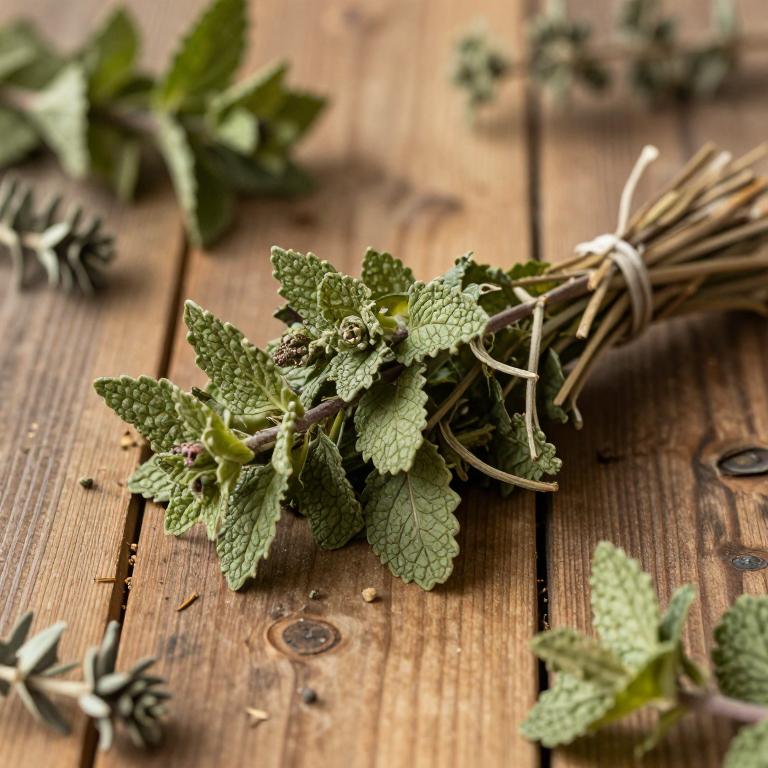
- Synonyms
- Bystropogon Setosus · Bystropogon Setosus Var. Citronella · 1 more
- Common names
- Not available
- Family
- Lamiaceae
- Distribution
- Southern America
- Plant Parts
- Not available
Classification
Common Names
Minthostachys setosa is a highly aromatic plant widely recognized by its common name, Muña. Found predominantly in the Andean regions, this herb is deeply integrated into local culinary and medicinal traditions. Its distinct scent and refreshing flavor make it a staple ingredient for seasoning traditional dishes. Beyond the kitchen, many communities rely on it for its therapeutic properties in treating digestive ailments. Understanding its cultural significance helps illustrate the profound bond between the people and this resilient species.
Sources: Catalogue of Life (COL)
Synonyms
Minthostachys setosa is a plant species that is known by several different botanical names. In many scientific records, it is identified by the synonym Bystropogon setosus. This classification also encompasses specific variations such as Bystropogon setosus var. citronella. Furthermore, the plant is linked to the taxonomic designation Bystropogon setosus var. menthodorus. Understanding these various synonyms is essential for accurate identification within the botanical community.
Sources: The World Checklist of Vascular Plants (WCVP)
Taxonomy
Minthostachys setosa is a specialized organism belonging to the kingdom Plantae. Within this vast botanical realm, it is classified under the class Equisetopsida. The plant is further organized into the order Lamiales, showcasing its specific evolutionary lineage. It holds a place within the genus Minthostachys, which helps botanists identify its closest relatives. Ultimately, this species is a distinguished member of the Lamiaceae family.
| Rank | Classification |
|---|---|
| Kingdom | Plantae |
| Phylum | Streptophyta |
| Class | Equisetopsida |
| Subclass | Magnoliidae |
| Order | Lamiales |
| Family | Lamiaceae |
| Genus | Minthostachys |
Sources: The World Checklist of Vascular Plants (WCVP)
Distribution
Geographic Regions
Minthostachys setosa is a distinctive plant species primarily found throughout the vast landscapes of Southern America. Its natural habitat extends significantly across Western South America, where it thrives in specific ecological niches. Within this regional range, Bolivia serves as a key area for its distribution and growth. Understanding these geographical patterns provides essential insight into the plant's environmental requirements and ecological role. Consequently, studying its presence in these specific territories helps botanists map the biodiversity of the continent.
Sources: The World Checklist of Vascular Plants (WCVP)
Identification
Morphology
Minthostachys setosa grows in a distinct shrub form, establishing a sturdy presence in its natural habitat. This plant is entirely self-supporting, maintaining its structure without the need for external assistance.
Sources: Global Inventory of Floras and Traits (GIFT)
Biological Activities
Compounds
Conditions
Minthostachys setosa possesses significant insecticidal properties that can be used to treat Aedes aegypti larvae. Research indicates that dichloromethane extracts of this South American medicinal plant demonstrate high larvicidal activity. Specifically, the extract showed a potent LC(50) value of 9.2 microg/ml against the larvae. This level of toxicity suggests that the plant is a highly effective natural agent for controlling these mosquito populations. Consequently, M. setosa serves as a promising candidate in the development of new botanical larvicides.
Preparations
Minthostachys setosa is prepared as dichloromethane extracts to test its insecticidal properties. These specific extracts demonstrate high larvicidal activity against Aedes aegypti larvae. The potency of the M. setosa dichloromethane extract is quantified with an LC(50) of 9.2 microg/ml. This preparation serves as a promising candidate for developing new natural larvicidal compounds. Consequently, the use of dichloromethane to process this plant highlights its potential in mosquito control efforts.