Sensitive Plants
Mimosa · Accepted scientific name
Scientific literature: Very Sparse (36 studies) · ★☆☆☆☆
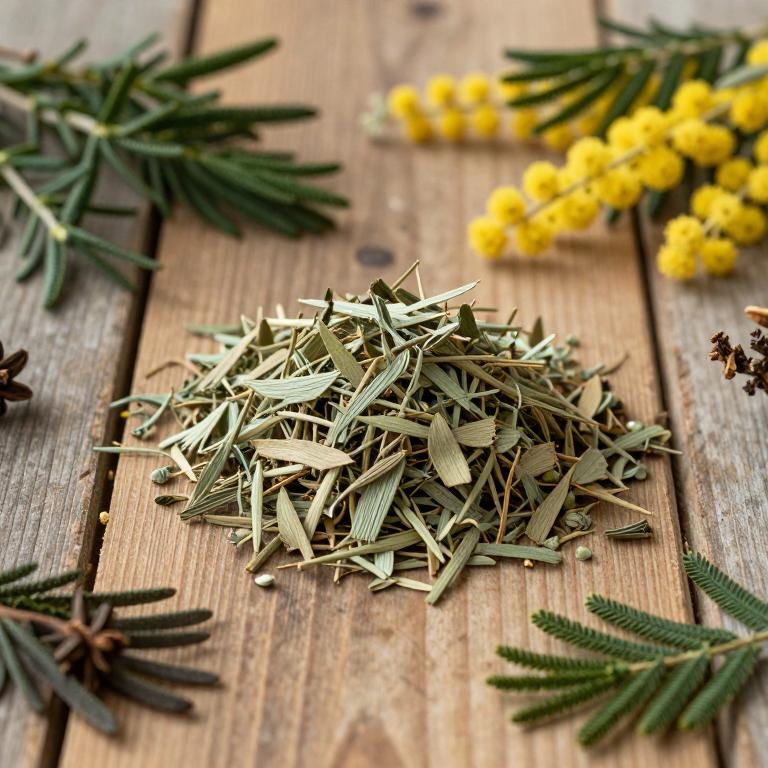
Sensitive Plants, scientifically known as Mimosa, is a fascinating genus celebrated for its unique ability to fold its leaves upon touch. Beyond its remarkable movement, various Mimosa species offer significant medicinal value, traditionally used in herbal remedies to support skin health, reduce inflammation, and promote overall wellness through bioactive compounds.
- Family
- Fabaceae
- Native range
- Africa
- Parts used
- Not available
- Common names
- Sensitive Plants · Sensitive Plant
- Scientific synonyms
- Pteromimosa · Neomimosa · 10 more
Names and Synonyms
Common Names
- Sensitive Plants
- sensitive plant
Scientific Names
Accepted name
MimosaSynonyms
- Pteromimosa
- Neomimosa
- Lomoplis
- Leptoglottis
- Eburnax
- Schranckiastrum
- Haitimimosa
- Sensitiva
- Morongia
- Mimosopsis
- Acanthopteron
- Schrankia
Regional and Traditional Names
Spanish:
- Schrankia
- Acanthopteron
- Lomoplis
- Schranckiastrum
- Neomimosa
- Leptoglottis
- Morongia
- Mimosopsis
- Haitimimosa
- Pteromimosa
- Gatuños
- Sensitivas
German:
- Mimosen
- Sinnpflanzen
French:
- Mimosa hostilis
- Mimosas
Sources: Wikidata, Catalogue of Life
Taxonomical Classification
This plant belongs to the kingdom Plantae within the phylum Streptophyta and the class Equisetopsida. It is further classified under the subclass Magnoliidae and the order Fabales, falling into the family Fabaceae. Finally, its taxonomic identity is defined by the genus Mimosa.
| Rank | Classification |
|---|---|
| Kingdom | Plantae |
| Phylum | Streptophyta |
| Class | Equisetopsida |
| Subclass | Magnoliidae |
| Order | Fabales |
| Family | Fabaceae |
| Genus | Mimosa |
Sources: The World Checklist of Vascular Plants (WCVP)
Distribution
This plant exhibits a diverse geographical distribution spanning across several regions in Africa. In Northern Africa, its presence can be documented within the borders of Egypt. Moving toward the West Tropical Africa region, it is found in several different countries. Specifically, it grows within the territories of Benin, Burkina, and Gambia. Finally, its distribution extends further into West Tropical Africa to include Ghana.
| Region | Area |
|---|---|
| Northern Africa | Egypt |
| West Tropical Africa | Benin |
| West Tropical Africa | Burkina |
| West Tropical Africa | Gambia |
| West Tropical Africa | Ghana |
| West Tropical Africa | Guinea-Bissau |
| West Tropical Africa | Guinea |
| West Tropical Africa | Ivory Coast |
| West Tropical Africa | Liberia |
| West Tropical Africa | Mali |
Sources: The World Checklist of Vascular Plants (WCVP)
Activities
Mimosa has 19 reported activities identified across 0 scientific publications and several other databases. The most consistently reported activities include Antimicrobial, Antioxidant, Antiviral, Antiallergic, Anticancer.
| Activity | Supporting sources | Consensus |
|---|---|---|
| Antimicrobial | 2 supporting sources | ★☆☆☆☆ |
| Antioxidant | 2 supporting sources | ★☆☆☆☆ |
| Antiviral | 2 supporting sources | ★☆☆☆☆ |
| Antiallergic | 1 supporting sources | ★☆☆☆☆ |
| Anticancer | 1 supporting sources | ★☆☆☆☆ |
| Antidiabetic | 1 supporting sources | ★☆☆☆☆ |
| Antiepileptic | 1 supporting sources | ★☆☆☆☆ |
| Antimutagenic | 1 supporting sources | ★☆☆☆☆ |
| Antinociceptive | 1 supporting sources | ★☆☆☆☆ |
| Antiparasitic | 1 supporting sources | ★☆☆☆☆ |
Antimicrobial
- International journal of molecular sciences
- Biomolecules
Antioxidant
- International journal of molecular sciences
- Biomolecules
Antiviral
- International journal of molecular sciences
- Biomolecules
Antiallergic
- International journal of molecular sciences
Anticancer
- International journal of molecular sciences
Antidiabetic
- International journal of molecular sciences
Antiepileptic
- International journal of molecular sciences
Antimutagenic
- International journal of molecular sciences
Antinociceptive
- International journal of molecular sciences
Antiparasitic
- International journal of molecular sciences
Conditions
Mimosa has 14 reported investigations on conditions identified across 0 scientific publications and several other databases. The most consistently reported conditions include HIV, asthma, diarrhea, fever, gastrointestinal disorders.
| Condition | Supporting sources | Consensus |
|---|---|---|
| Hiv | 1 supporting sources | ★☆☆☆☆ |
| Asthma | 1 supporting sources | ★☆☆☆☆ |
| Diarrhea | 1 supporting sources | ★☆☆☆☆ |
| Fever | 1 supporting sources | ★☆☆☆☆ |
| Gastrointestinal disorders | 1 supporting sources | ★☆☆☆☆ |
| Hepatitis | 1 supporting sources | ★☆☆☆☆ |
| Jaundice | 1 supporting sources | ★☆☆☆☆ |
| Leprosy | 1 supporting sources | ★☆☆☆☆ |
| Ringworm | 1 supporting sources | ★☆☆☆☆ |
| Skin diseases | 1 supporting sources | ★☆☆☆☆ |
Hiv
- Biomolecules
Asthma
- Biomolecules
Diarrhea
- Biomolecules
Fever
- Biomolecules
Gastrointestinal disorders
- Biomolecules
Hepatitis
- Biomolecules
Jaundice
- Biomolecules
Leprosy
- Biomolecules
Ringworm
- Biomolecules
Skin diseases
- Biomolecules