Mimosa invisa
Mimosa invisa · Accepted scientific name
Scientific literature: Very Sparse (2 studies) · ★☆☆☆☆
Mimosa invisa is a botanical species recognized for its significant therapeutic potential in managing various health conditions. Scientific investigations have highlighted its potent antimicrobial and hypoglycemic activities, making it a subject of interest in pharmacology. The plant's biological efficacy is largely attributed to key chemical constituents such as alpinumisoflavone, lupeol, and betulinic acid. Research specifically focuses on its application in treating Diabetes Mellitus by leveraging these bioactive compounds. To harness these benefits, studies typically utilize the aerial parts of the plant through the preparation of aqueous and crude extracts.
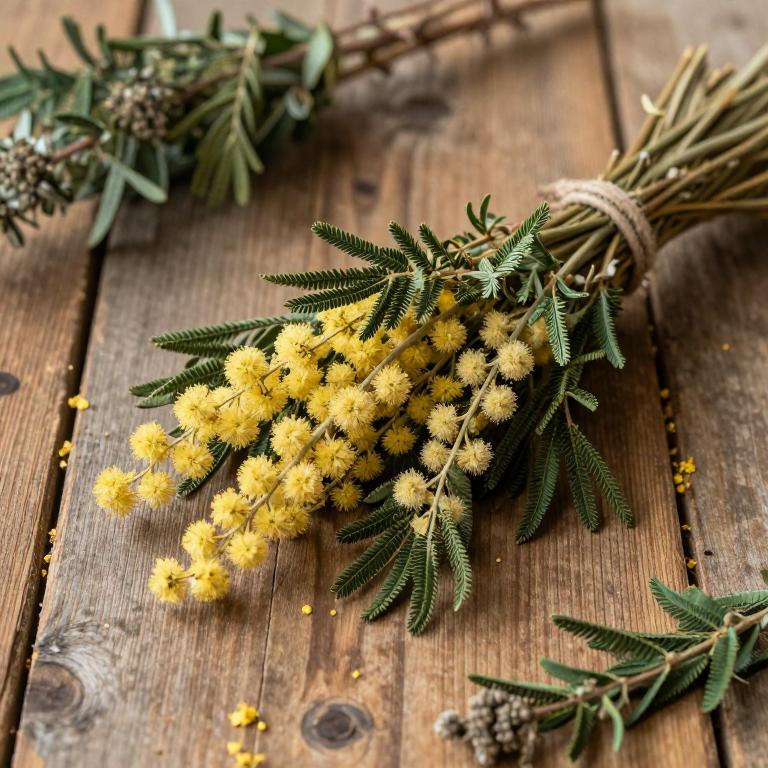
- Synonyms
- Not available
- Common names
- Not available
- Family
- Fabaceae
- Distribution
- Not available
- Plant Parts
- Not available
Classification
Common Names
Mimosa invisa is a versatile plant known by several distinct names depending on the region. It is frequently referred to as the common creeping sensitive-plant due to its spreading growth habit. In other contexts, it is also identified as the common giant sensitive-plant to highlight its impressive scale. Those familiar with Chinese botanical terms may recognize it as the common 巴西含羞草. Regardless of the label used, this unique species remains a fascinating subject of study.
Sources: Catalogue of Life (COL)
Taxonomy
Mimosa invisa is a distinctive member of the kingdom Plantae that showcases the diverse beauty of the natural world. Belonging to the class Equisetopsida, this plant is categorized within the order Fabales. It further finds its place within the large and diverse family Fabaceae. As a representative of the genus Mimosa, it shares a taxonomic lineage with many other well-known species. Through these biological classifications, we can better understand its unique position in the botanical landscape.
| Rank | Classification |
|---|---|
| Kingdom | Plantae |
| Phylum | Streptophyta |
| Class | Equisetopsida |
| Subclass | Magnoliidae |
| Order | Fabales |
| Family | Fabaceae |
| Genus | Mimosa |
Sources: The World Checklist of Vascular Plants (WCVP)
Distribution
Geographic Regions
Mimosa invisa is a resilient species with a broad and diverse distribution across the African continent. Its presence spans from the eastern reaches of Tanzania to the highlands of Ethiopia in Northeast Tropical Africa. Moving southward, the plant is well-established within the tropical landscapes of both Mozambique and Zimbabwe. Its range further extends to the western regions, where it can be found growing in Benin. This wide geographical spread highlights the adaptability of the species across various African ecological zones.
Sources: The World Checklist of Vascular Plants (WCVP)
Identification
Morphology
Mimosa invisa grows in a characteristic shrub form, establishing a sturdy presence within its habitat. As a self-supporting plant, it maintains its own structure without the need for external climbers or supports.
Sources: Global Inventory of Floras and Traits (GIFT)
Biological Activities
Mimosa invisa is a medicinal plant that demonstrates significant therapeutic potential through its diverse biological activities. Research into its chemical constituents has revealed that its crude extract and specific isolated compounds possess notable antimicrobial properties against various microbial species. Furthermore, scientific investigations into Nigerian medicinal plants have highlighted the potent hypoglycemic effects of its aqueous extracts. Specifically, studies involving alloxan-induced diabetic mice confirm that the plant can effectively reduce fasting blood glucose levels. These findings support the traditional use of Mimosa invisa in managing diabetes and suggest its value in the development of novel anti-diabetic drugs.
Compounds
Mimosa invisa is a member of the Mimosaceae family that serves as a rich source of diverse phytochemicals. Chemical analysis of its aerial parts has revealed the presence of several significant bioactive compounds. Specifically, the plant contains the isoflavone alpinumisoflavone, which contributes to its complex chemical profile. Researchers have also identified the triterpenoid lupeol within its structure. Furthermore, the presence of betulinic acid highlights the medicinal potential inherent in this species.
Conditions
Mimosa invisa is a Nigerian medicinal plant traditionally used for the treatment of diabetes mellitus. Research into its aqueous extracts demonstrates a potent hypoglycemic effect when administered to alloxan induced diabetic mice. This plant contains a high intensity of glycosides, which contributes to its pharmacological properties. The study confirmed that such extracts can effectively reduce blood glucose levels in diabetic models. These findings support the medicinal use of Mimosa invisa in managing diabetes mellitus.
Preparations
Mimosa invisa is prepared as an aerial part for the isolation of various natural compounds, including a new fatty aldol ester. This plant is also prepared as a crude extract to investigate its antimicrobial activities against several microbial species. Furthermore, Mimosa invisa is prepared as aqueous extracts to study its phytochemical content and hypoglycemic effects. These aqueous extracts have been shown to contain high intensities of glycosides. Through these different preparations, the medicinal potential of the plant is explored for both antimicrobial and anti-diabetic applications.