Mikania guaco
Mikania guaco · Accepted scientific name
Scientific literature: Very Sparse (0 studies) · ★☆☆☆☆
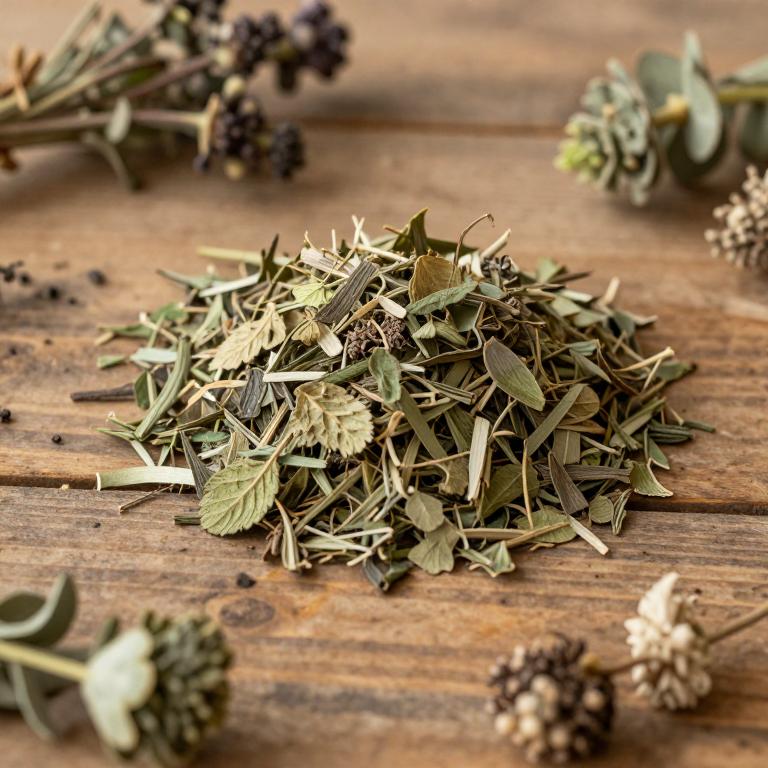
Mikania guaco is a climbing vine known for its diverse pharmacological properties and traditional medicinal uses. Recent scientific investigations have focused on analyzing its chemical composition, particularly regarding the presence of heavy metals. Studies have specifically examined the concentrations of toxic elements such as cadmium and lead within its tissues. To facilitate accurate laboratory testing, researchers often utilize finely pulverized plant samples for extraction and analysis. Understanding these metallic profiles is essential for ensuring the safety and efficacy of this botanical species.
- Synonyms
- Willoughbya Parviflora Var. Guaco · Mikania Archidonensis · 13 more
- Common names
- Not available
- Family
- Asteraceae
- Distribution
- Not available
- Plant Parts
- Not available
Classification
Common Names
Mikania guaco is a climbing vine that is widely recognized across various tropical regions. This particular plant is most frequently referred to by its common name, guaco. Because of its distinctive properties, it has long been integrated into traditional herbal practices. Understanding its identity is essential for anyone interested in the diverse world of medicinal flora. Consequently, the name guaco serves as a vital link between botanical science and cultural heritage.
Sources: Catalogue of Life (COL)
Synonyms
Mikania guaco is a botanical species that has been documented under several different scientific names throughout history. Taxonomic studies have identified various synonyms for this plant, including Mikania amara var. guaco and Mikania archidonensis. Researchers also frequently refer to the species as Mikania argyrostigma or Mikania aspera in different botanical contexts. Additionally, the name Mikania attenuata has been used to describe variations within this same group. Understanding these various nomenclatural relationships is essential for accurate plant identification and scientific communication.
Sources: The World Checklist of Vascular Plants (WCVP)
Taxonomy
Mikania guaco is a fascinating specimen that belongs to the vast kingdom Plantae. Within this botanical realm, the plant is specifically classified under the class Equisetopsida. It falls into the order Asterales, showcasing its evolutionary connection to a diverse group of flowering plants. Further narrowing its identity, the species is a member of the extensive Asteraceae family. Ultimately, this plant is defined by its placement within the distinct genus Mikania.
| Rank | Classification |
|---|---|
| Kingdom | Plantae |
| Phylum | Streptophyta |
| Class | Equisetopsida |
| Subclass | Magnoliidae |
| Order | Asterales |
| Family | Asteraceae |
| Genus | Mikania |
Sources: The World Checklist of Vascular Plants (WCVP)
Distribution
Geographic Regions
Mikania guaco is a versatile plant with a widespread presence across several key regions. In Northern America, it is frequently found throughout various parts of Mexico, including the Gulf, Northeast, Southeast, and Southwest regions. This extensive distribution ensures its ecological footprint covers much of the Mexican landscape. Beyond North America, the plant also flourishes in Southern America, particularly within the northern reaches of Brazil. Together, these locations highlight the broad geographical range this species maintains across the Americas.
Sources: The World Checklist of Vascular Plants (WCVP)
Identification
Morphology
Mikania guaco is characterized by an obligatory climbing habit, meaning it relies entirely on other structures for physical support to reach the sunlight it needs to thrive.
Sources: Global Inventory of Floras and Traits (GIFT)
Biological Activities
Compounds
Conditions
Preparations
Mikania guaco is prepared as finely pulverized plant samples to facilitate the determination of heavy metals. These specific samples undergo a process of dry-ashing for 2.5 hours at 500 degrees C. This preparation method allows for the simultaneous quantification of cadmium and lead within the medicinal plant. Such meticulous processing is essential for applying differential pulse anodic stripping voltammetry to the material. Consequently, the finely pulverized state of Mikania guaco ensures accurate results during the metal analysis.