Miconia salicifolia
Miconia salicifolia · Accepted scientific name
Scientific literature: Very Sparse (1 studies) · ★☆☆☆☆
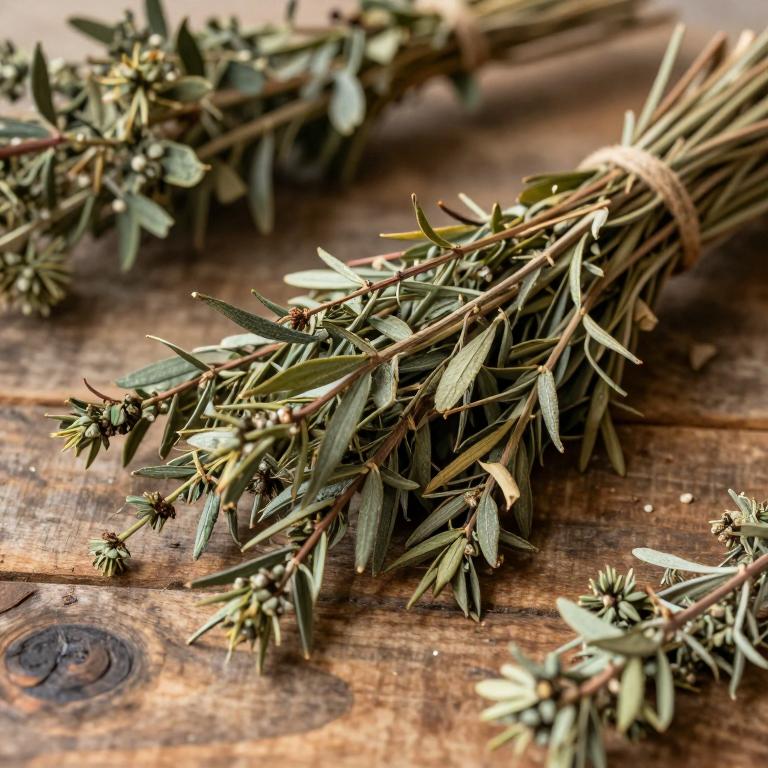
Miconia salicifolia is a distinctive botanical species known for its unique physiological characteristics and ecological presence. Beyond its visual appeal, this plant has gained scientific interest due to its diverse biological properties. Researchers have specifically investigated its chemical composition to uncover potential medicinal applications. Among these, the plant is noted for its significant antibacterial activities against various pathogens. Understanding these natural defenses provides valuable insights into the plant's role in traditional and modern pharmacology.
- Synonyms
- Acinodendron Salicifolium · Melastoma Rosmarinifolium
- Common names
- Not available
- Family
- Not available
- Distribution
- Not available
- Plant Parts
- Not available
Classification
Synonyms
Miconia salicifolia is a plant species that is frequently identified through various botanical synonyms. In many scientific records, it is documented under the name Acinodendron salicifolium. Furthermore, researchers may encounter this same species listed as Melastoma rosmarinifolium in older or alternative texts. Understanding these overlapping designations is essential for accurate taxonomic identification and study. Navigating these nomenclatural relationships ensures that botanists can consistently track the plant across different literature.
Sources: The World Checklist of Vascular Plants (WCVP)
Distribution
Geographic Regions
Miconia salicifolia is a plant species primarily found throughout the diverse landscapes of Southern America. Its distribution extends across Northern South America, with notable populations established in Venezuela. In the western regions of the continent, the species thrives within the borders of Colombia. It is also commonly documented throughout the natural habitats of Ecuador. Finally, the plant maintains a significant presence in the western reaches of Peru, completing its regional range.
Sources: The World Checklist of Vascular Plants (WCVP)
Identification
Morphology
Miconia salicifolia is a self-supporting plant that typically takes the form of a shrub. This sturdy growth habit allows it to maintain its structure independently within its natural habitat.
Sources: Global Inventory of Floras and Traits (GIFT)
Biological Activities
Miconia salicifolia has been identified as a plant species with notable antibacterial activity. According to a study evaluating medicinal plants from Northern Peru, this species was among a select group that demonstrated particularly low minimum inhibitory concentration values. Such findings suggest that the plant possesses significant potential in the fight against bacterial infections. Because of its effectiveness, researchers have highlighted it as an interesting candidate for future scientific investigation. This connection between traditional medicinal knowledge and laboratory results could ultimately aid in the development of new antibiotic agents.