Miconia chamissois
Miconia chamissois · Accepted scientific name
Scientific literature: Very Sparse (0 studies) · ★☆☆☆☆
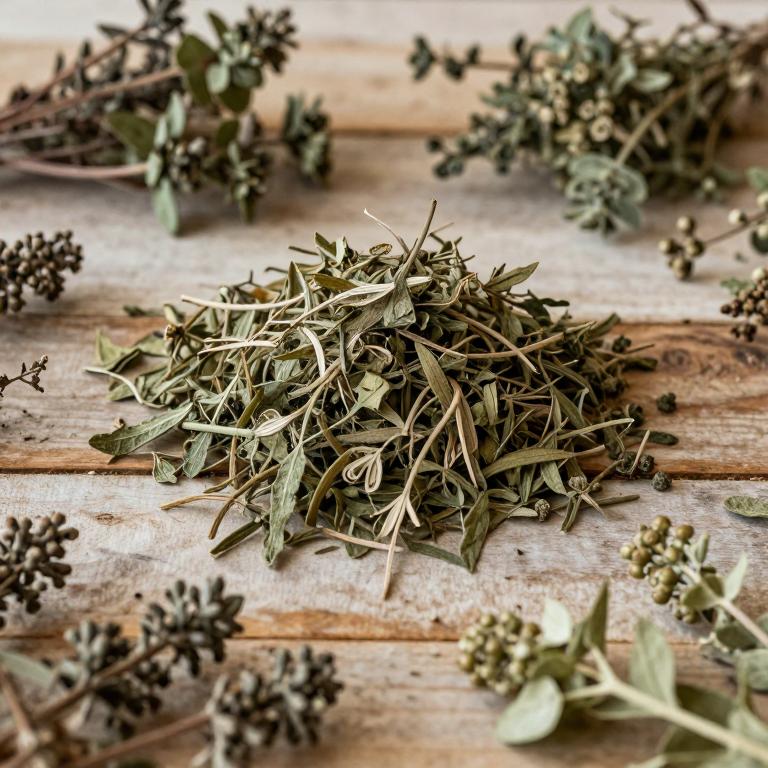
Miconia chamissois is a distinctive shrub known for its striking and architectural foliage. The most prominent feature of this plant is its large, expansive leaf, which serves as a centerpiece for its overall appearance. These leaves possess a unique texture and coloration that can enhance the visual depth of any tropical or subtropical garden. Because of these ornamental qualities, the species is frequently studied and appreciated by plant enthusiasts worldwide. Understanding the characteristics of its leaf structure is essential for anyone looking to cultivate this beautiful specimen.
- Synonyms
- Acinodendron Chamissois · Melastoma Calyptratum · 8 more
- Common names
- Not available
- Family
- Melastomataceae
- Distribution
- Southern America
- Plant Parts
- Leaf
Classification
Synonyms
Miconia chamissois is a complex species known by several different botanical names in scientific literature. Its taxonomic history includes various synonyms such as Acinodendron alternans and Acinodendron chamissois. Researchers have also referred to this plant as Melastoma calyptratum in previous studies. Furthermore, the names Miconia alternans and Miconia calyptrata are recognized as alternative identifiers for the same taxon. Understanding these multiple designations is essential for accurate plant identification and classification.
Sources: The World Checklist of Vascular Plants (WCVP)
Taxonomy
Miconia chamissois is a distinctive member of the kingdom Plantae. This plant belongs to the genus Miconia, which is part of the diverse Melastomataceae family. Within its taxonomic structure, it is classified under the order Myrtales. Furthermore, its biological lineage places it within the class Equisetopsida. Understanding these relationships helps botanists identify its unique place in the natural world.
| Rank | Classification |
|---|---|
| Kingdom | Plantae |
| Phylum | Streptophyta |
| Class | Equisetopsida |
| Subclass | Magnoliidae |
| Order | Myrtales |
| Family | Melastomataceae |
| Genus | Miconia |
Sources: The World Checklist of Vascular Plants (WCVP)
Distribution
Geographic Regions
Miconia chamissois exhibits a wide geographic range that spans across significant portions of both the Northern and Southern Americas. In the north, this species is widely distributed throughout Mexico, specifically occupying the Gulf, Southeast, and Southwest regions. Its presence also extends across the borders of Northern America, establishing a strong foothold in these diverse habitats. Moving southward, the plant finds a substantial home within Brazil, particularly in the northern and northeastern territories. This expansive distribution highlights the plant's ability to thrive in various subtropical environments across two continents.
Sources: The World Checklist of Vascular Plants (WCVP)
Identification
Morphology
Miconia chamissois is a self-supporting plant that exhibits a distinct tree-like growth form. This species typically reaches a modest maximum height of approximately 4 meters. Its structural stability allows it to stand firmly within its natural environment.
Sources: Global Inventory of Floras and Traits (GIFT)
Biological Activities
Compounds
Conditions
Miconia chamissois produces organic extracts that exhibit phytotoxicity toward the initial growth of cucumber seedlings. Research indicates that various solvent concentrations, including hexane, ethyl acetate, and methanol, all negatively impact the development of these target plants. Specifically, the hexane extracts of M. chamissois demonstrate the highest level of phytotoxicity among its various organic forms. This inhibitory effect is likely driven by a diverse range of secondary metabolites, such as alkaloids, found within the plant's leaves. Consequently, the species serves as a strong candidate for the development of natural herbicides due to its ability to treat and suppress cucumber seedling growth.
Preparations
Parts used
Miconia chamissois is one of the five medicinal species studied for its potential as a natural bioherbicide. Researchers specifically analyzed the phytotoxic activity of organic extracts derived from the plant's leaf. The study evaluated how various solvents, including hexane, ethyl acetate, and methanol, affected the initial growth of cucumber seedlings. Interestingly, the hexane extract from M. chamissois exhibited the highest level of phytotoxicity compared to other extracts. These findings, alongside the presence of alkaloids, suggest that this species is a strong candidate for developing botanical herbicides.