Metapanax delavayi
Metapanax delavayi · Accepted scientific name
Scientific literature: Very Sparse (4 studies) · ★☆☆☆☆
, scientifically known as Metapanax delavayi, is a significant medicinal plant valued in traditional herbal medicine. Native to specific mountainous regions, it is highly regarded for its potent bioactive compounds. Often utilized for its therapeutic properties, this botanical species offers valuable insights into natural treatments for various health conditions.
- Family
- Araliaceae
- Native range
- Asia-Temperate
- Parts used
- Leaf
- Common names
- Not available
- Scientific synonyms
- Acanthopanax Delavayi · Pseudopanax Delavayi · 5 more
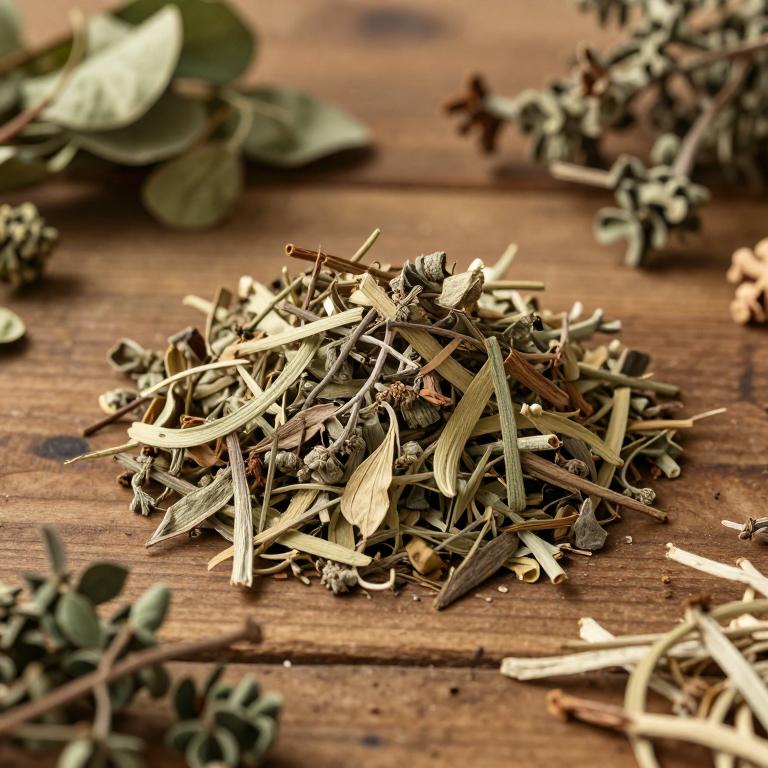
Names and Synonyms
Scientific Names
Accepted name
Metapanax delavayiSynonyms
- Acanthopanax delavayi
- Pseudopanax delavayi
- Panax delavayi
- Macropanax delavayi
- Nothopanax delavayi
- Nothopanax delavayi var. longicaudatus
- Metapanax delavayi var. longicaudatus
Sources: Wikidata, Catalogue of Life
Taxonomical Classification
This plant belongs to the kingdom Plantae and is classified within the phylum Streptophyta and the class Equisetopsida. Further taxonomic descent places it in the subclass Magnoliidae and the order Apiales, falling under the family Araliaceae. Finally, it is identified by the genus Metapanax and the specific species name delaayi.
| Rank | Classification |
|---|---|
| Kingdom | Plantae |
| Phylum | Streptophyta |
| Class | Equisetopsida |
| Subclass | Magnoliidae |
| Order | Apiales |
| Family | Araliaceae |
| Genus | Metapanax |
Sources: The World Checklist of Vascular Plants (WCVP)
Distribution
This plant exhibits a specific geographical range concentrated within East and Southeast Asia. In China, its distribution is primarily located throughout the South-Central regions of the country. Furthermore, the species extends its natural habitat into the Indo-China peninsula. Specifically, it can be found growing within the diverse landscapes of Vietnam. Consequently, its presence is limited to these particular ecological zones in the region.
| Region | Area |
|---|---|
| China | China South-Central |
| Indo-China | Vietnam |
Sources: The World Checklist of Vascular Plants (WCVP)
Botanical Identification
Ecology
The ecology of Metapanax delaavayi is characterized by its specific adaptation to high-altitude montane environments, where it occupies a distinct vertical niche within its native habitat. This species thrives within a specialized elevational range, primarily established between 1600 m and 2500 m AMSL. By inhabiting these mid-to-high altitude zones, the plant is subjected to the unique climatic pressures of mountain ecosystems, including fluctuating temperature gradients and varying levels of solar radiation typical of these elevations. Its presence within this specific 900-meter altitudinal belt suggests a reliance on the particular soil compositions, moisture regimes, and atmospheric conditions found in these montane regions to support its growth and medicinal potency.
- Elevational range max:
- 2500 m AMSL
- Elevational range min:
- 1600 m AMSL
Life history
The life history of Metapanax delaavayi is characterized by its distinctive growth strategies and structural adaptations to its environment, primarily manifesting as a phanerophyte. As a phanerophyte, the plant maintains its permanent buds and reproductive structures well above the soil surface, typically on woody stems or branches, allowing it to persist through seasonal changes. Depending on the specific environmental pressures and microhabitats it occupies, its developmental stages may also exhibit characteristics of a nanophanerophyte, where the plant maintains a relatively low-growing, woody stature with buds positioned just above the ground level. This combination of life forms enables the species to navigate varying degrees of exposure, utilizing its elevated woody structures to optimize light interception and reproductive success while maintaining a robust perennial existence.
- Life form :
- nanophanerophyte
- Life form :
- phanerophyte
Morphology
The morphology of Metapanaックス delavayi is characterized by its growth habit as a self-supporting climber, utilizing structural mechanisms to ascend through its environment. It functions as an independent organism, showing no parasitic tendencies toward host plants, and maintains a terrestrial existence rather than growing as an epiphyte. The plant exhibits a distinctly woody structure, providing the necessary rigidity and strength to support its climbing architecture.
- Climber :
- self-supporting
- Epiphyte :
- terrestrial
- Parasite :
- independent
- Woodiness :
- woody
Sources: Global Inventory of Floras and Traits (GIFT)
Plant Parts
Metapanax delavayi has 1 reported plant parts identified across 1 scientific publications and several other databases that are studied for medicinal purposes. The most consistently reported plant part include leaf.
| Plant part | Supporting sources | Consensus |
|---|---|---|
| Leaf | 1 supporting sources | ★☆☆☆☆ |
Leaf
- Natural product research
Chemicals
Metapanax delavayi has 2 reported phytochemicals identified across 1 scientific publications and several other databases. The most consistently reported chemicals include 3,4-Dihydroxybenzaldehyde, Yiyeliangwanoside IV.
| Chemical | Supporting sources | Consensus |
|---|---|---|
| 3,4-Dihydroxybenzaldehyde | 1 supporting sources | ★☆☆☆☆ |
| Yiyeliangwanoside IV | 1 supporting sources | ★☆☆☆☆ |
3,4-Dihydroxybenzaldehyde
- Phytochemistry
Yiyeliangwanoside IV
- Natural product research
Conditions
Metapanax delavayi has 1 reported investigations on conditions identified across 1 scientific publications and several other databases. The most consistently reported conditions include neurogenic inflammation.
| Condition | Supporting sources | Consensus |
|---|---|---|
| Neurogenic inflammation | 1 supporting sources | ★☆☆☆☆ |
Neurogenic inflammation
- Scientific reports
Preparations
Metapanax delavayi has 4 reported preparations identified across 1 scientific publications and several other databases. The most consistently reported preparations include Metapanax delavayi extract, herbal tea, salad, soup.
| Preparation | Supporting sources | Consensus |
|---|---|---|
| Metapanax delavayi extract | 1 supporting sources | ★☆☆☆☆ |
| Herbal tea | 1 supporting sources | ★☆☆☆☆ |
| Salad | 1 supporting sources | ★☆☆☆☆ |
| Soup | 1 supporting sources | ★☆☆☆☆ |
Metapanax delavayi extract
- Scientific reports
Herbal tea
- Natural product research
Salad
- Natural product research
Soup
- Natural product research