Mesembryanthemum
Mesembryanthemum · Accepted scientific name
Scientific literature: Very Sparse (4 studies) · ★☆☆☆☆
Mesembryanthemum, commonly known through its extract Sceletium, is a versatile plant recognized for its significant pharmacological potential. It contains bioactive chemicals such as mesembrine, which contribute to its diverse therapeutic activities, including antimicrobial, antioxidant, anxiolytic, and neuroprotective effects. Research suggests that these compounds can also provide relief through analgesia to manage various conditions. To harness these benefits, the plant is processed into various preparations such as dried plant powder and specialized pharmaceutical dosage forms. Today, these benefits are frequently delivered to consumers through standardized Sceletium extract and convenient Sceletium tablets.
- Synonyms
- Halenbergia · Opophytum · 32 more
- Common names
- Not available
- Family
- Aizoaceae
- Distribution
- Southern America
- Plant Parts
- Not available
Classification
Common Names
Mesembryanthemum is a versatile genus of succulent plants known by a variety of descriptive common names across different regions. In some areas, it is affectionately referred to as Buz çiçeği or simply as Fig Marigolds due to its vibrant appearance. Those familiar with Northern European languages might recognize it as Eiskraut or the Dutch term IJskruid. Additionally, it is frequently identified by the name Ficoïdes, which highlights its unique fleshy characteristics. Regardless of the name used, this plant remains a popular choice for gardeners seeking colorful, hardy succulents.
Sources: Catalogue of Life (COL)
Synonyms
Mesembryanthemum serves as a complex taxonomic umbrella that encompasses several distinct botanical synonyms. Within this group, researchers frequently encounter the names Amoebophyllum and Aptenia used to describe related species. The genus also shares close nomenclature ties with Arenifera and Aridaria in various botanical classifications. Furthermore, the name Aspazoma is recognized as another synonym integrated into this diverse plant family. Navigating these overlapping identities is essential for anyone studying the intricate relationships of these succulents.
Sources: The World Checklist of Vascular Plants (WCVP)
Taxonomy
Mesembryanthemum is a fascinating member of the kingdom Plantae that showcases the diverse beauty of the natural world. Within this vast kingdom, the plant is classified under the class Equisetopsida. It belongs to the diverse order Caryophyllales, a group known for its unique botanical characteristics. Further specialization is found within the family Aizoaceae, which highlights its evolutionary connections. Ultimately, this plant is defined by its namesake genus, Mesembryanthemum, marking its distinct place in botanical science.
| Rank | Classification |
|---|---|
| Kingdom | Plantae |
| Phylum | Streptophyta |
| Class | Equisetopsida |
| Subclass | Magnoliidae |
| Order | Caryophyllales |
| Family | Aizoaceae |
| Genus | Mesembryanthemum |
Sources: The World Checklist of Vascular Plants (WCVP)
Distribution
Geographic Regions
Mesembryanthemum displays a vast and diverse geographic range that spans multiple continents and island chains. Primarily concentrated across Africa, this genus extends its reach into the Macaronesian region. Within these Atlantic territories, its presence is noted in the Azores, the Canary Islands, and Madeira. The plant also finds a foothold in the Selvagens archipelago, demonstrating its ability to thrive in isolated maritime environments. Furthermore, its distribution reaches even further into the Middle Atlantic Ocean, specifically appearing on Ascension Island.
Sources: The World Checklist of Vascular Plants (WCVP)
Identification
Biological Activities
Mesembryanthemum is a prominent genus within the Aizoaceae family that holds significant cultural and medicinal value. Scientific investigations into this genus have revealed that its bioactive compounds possess notable antimicrobial and antioxidant properties. Furthermore, research indicates that the plant exhibits anxiolytic effects, making it a subject of interest for mood-related therapies. The genus also demonstrates neuroprotective functions, which suggests potential applications in safeguarding neurological health. While these biological activities are promising, further studies are needed to fully validate their clinical efficacy and safety.
Compounds
Mesembryanthemum is a botanical group that includes the biologically significant genus Sceletium. Within this family, the presence of mesembrine alkaloids serves as a key chemical marker for distinguishing between various species. Specifically, Sceletium tortuosum has gained pharmaceutical recognition for its anxiolytic and anti-depressant properties derived from these compounds. Advanced metabolomic profiling and molecular networking allow researchers to identify mesembrine and its related isomers with high precision. Understanding these chemical relationships is essential for monitoring the quality and safety of phytopharmaceutical products derived from these plants.
Conditions
Mesembryanthemum, specifically through the genus Sceletium, has been utilized in various traditional preparations to provide analgesia and sedation. Research indicates that the alkaloids found within these plants possess important narcotic-anxiolytic properties. Furthermore, these botanical constituents are studied for their potential anti-cancer activity. The plant is also marketed and used as a traditional medicine for the treatment of psychological disorders.
Preparations
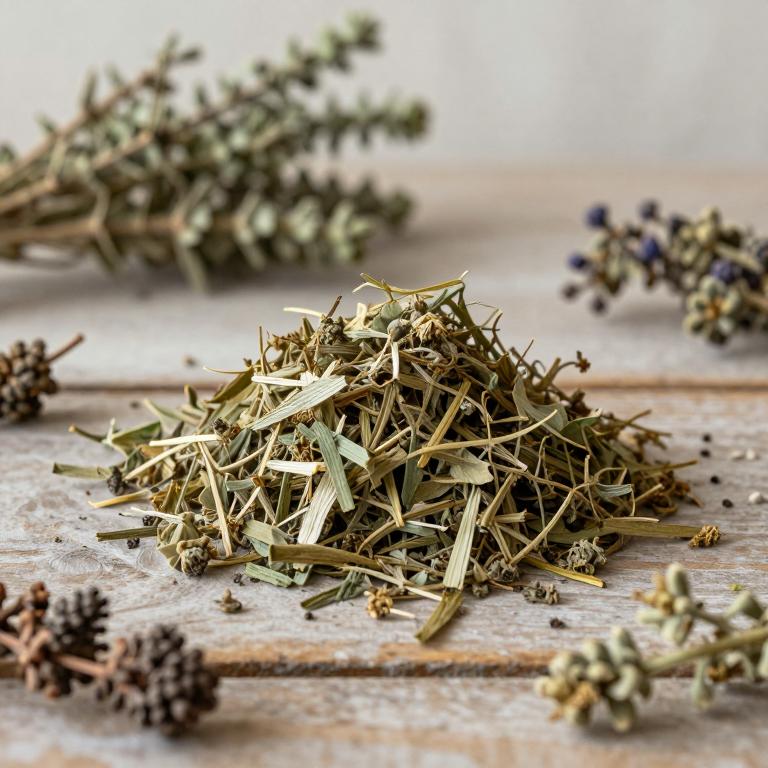
Mesembryanthemum is prepared as dried plant powder and as a dried product for various uses, including traditional preparations like "kougoed." It is also prepared as pharmaceutical dosage forms, which are often marketed through health shops and online. Additionally, the plant is prepared as Sceletium extract, such as the mesembrine-rich Trimesemine™ used in scientific studies. Sceletium is specifically prepared as Sceletium tablets for which analytical methods like capillary zone electrophoresis are developed. These diverse preparation methods allow the plant's psychoactive alkaloids to be utilized for treating psychological disorders and stress-related illnesses.