Mesembryanthemum tortuosum
Mesembryanthemum tortuosum · Accepted scientific name
Scientific literature: Sparse (52 studies) · ★★☆☆☆
, scientifically known as Mesembryanthemum tortuosum, is a succulent medicinal herb native to arid regions. Valued in traditional medicine, it possesses diverse therapeutic properties, including anti-inflammatory and antioxidant effects. This resilient plant is frequently studied for its potential applications in treating various ailments and its unique phytochemical composition.
- Family
- Not available
- Native range
- Africa
- Parts used
- Leaf
- Common names
- Not available
- Scientific synonyms
- Not available
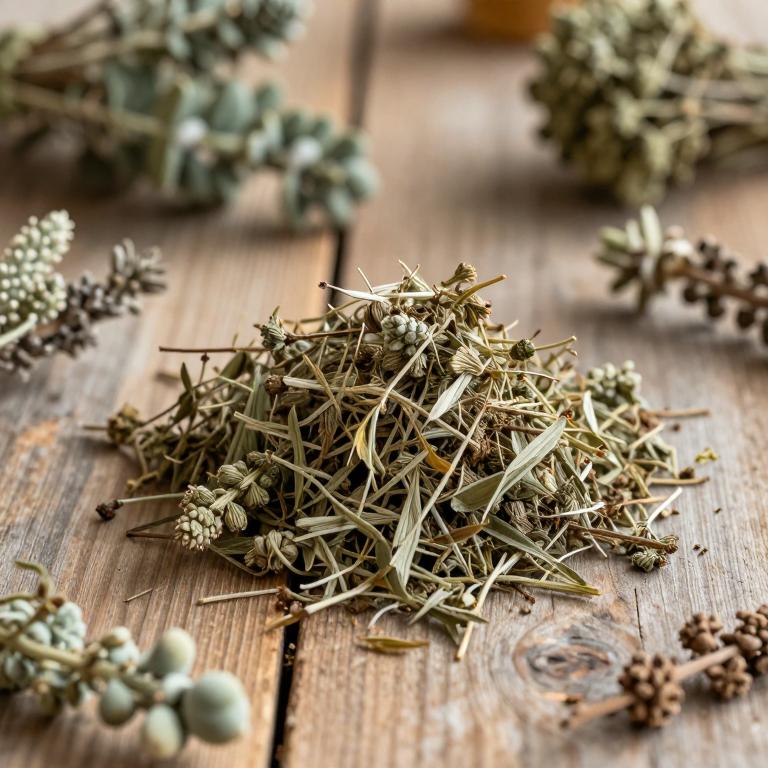
Names and Synonyms
Scientific Names
Accepted name
Mesembryanthemum tortuosumDistribution
This plant is native to the Southern Africa region. Specifically, its presence is concentrated within the Cape Provinces. This unique geographical range highlights its adaptation to the local environment. Because of this limited distribution, it is considered an endemic species of the area. Understanding this specific location is essential for the conservation of the species.
| Region | Area |
|---|---|
| Southern Africa | Cape Provinces |
Sources: The World Checklist of Vascular Plants (WCVP)
Plant Parts
Mesembryanthemum tortuosum has 1 reported plant parts identified across 1 scientific publications and several other databases that are studied for medicinal purposes. The most consistently reported plant part include leaf.
| Plant part | Supporting sources | Consensus |
|---|---|---|
| Leaf | 1 supporting sources | ★☆☆☆☆ |
Leaf
- Journal of visualized experiments : JoVE
Chemicals
Mesembryanthemum tortuosum has 7 reported phytochemicals identified across 1 scientific publications and several other databases. The most consistently reported chemicals include Mesembrine, Mesembrenone, Mesembrenol, Joubertiamine, Sceletium a4.
| Chemical | Supporting sources | Consensus |
|---|---|---|
| Mesembrine | 4 supporting sources | ★★☆☆☆ |
| Mesembrenone | 3 supporting sources | ★★☆☆☆ |
| Mesembrenol | 2 supporting sources | ★☆☆☆☆ |
| Joubertiamine | 1 supporting sources | ★☆☆☆☆ |
| Sceletium a4 | 1 supporting sources | ★☆☆☆☆ |
| Tortuosamine | 1 supporting sources | ★☆☆☆☆ |
| mesembrine hydrochloride | 1 supporting sources | ★☆☆☆☆ |
Mesembrine
- Journal of ethnopharmacology
- Journal of pharmaceutical and biomedical analysis
- AAPS PharmSciTech
- Frontiers in nutrition
Mesembrenone
- Journal of ethnopharmacology
- Journal of pharmaceutical and biomedical analysis
- AAPS PharmSciTech
Mesembrenol
- Journal of ethnopharmacology
- Journal of pharmaceutical and biomedical analysis
Joubertiamine
- Journal of ethnopharmacology
Sceletium a4
- Journal of ethnopharmacology
Tortuosamine
- Journal of ethnopharmacology
mesembrine hydrochloride
- Journal of ethnopharmacology
Activities
Mesembryanthemum tortuosum has 8 reported activities identified across 1 scientific publications and several other databases. The most consistently reported activities include Anxiolytic, Analgesic, Antidepressant, Antimalarial, Antimicrobial.
| Activity | Supporting sources | Consensus |
|---|---|---|
| Anxiolytic | 2 supporting sources | ★☆☆☆☆ |
| Analgesic | 1 supporting sources | ★☆☆☆☆ |
| Antidepressant | 1 supporting sources | ★☆☆☆☆ |
| Antimalarial | 1 supporting sources | ★☆☆☆☆ |
| Antimicrobial | 1 supporting sources | ★☆☆☆☆ |
| Cytoprotective | 1 supporting sources | ★☆☆☆☆ |
| Hypnotic | 1 supporting sources | ★☆☆☆☆ |
| Psychoactive | 1 supporting sources | ★☆☆☆☆ |
Anxiolytic
- Journal of ethnopharmacology
- Molecules (Basel, Switzerland)
Analgesic
- Journal of ethnopharmacology
Antidepressant
- Molecules (Basel, Switzerland)
Antimalarial
- Journal of ethnopharmacology
Antimicrobial
- Molecules (Basel, Switzerland)
Cytoprotective
- Journal of ethnopharmacology
Hypnotic
- Journal of ethnopharmacology
Psychoactive
- Journal of pharmaceutical and biomedical analysis
Conditions
Mesembryanthemum tortuosum has 6 reported investigations on conditions identified across 1 scientific publications and several other databases. The most consistently reported conditions include anxiety, depression, Anxiety, Cognitive Impairment, Depression.
| Condition | Supporting sources | Consensus |
|---|---|---|
| Anxiety | 2 supporting sources | ★☆☆☆☆ |
| Depression | 2 supporting sources | ★☆☆☆☆ |
| Anxiety | 1 supporting sources | ★☆☆☆☆ |
| Cognitive impairment | 1 supporting sources | ★☆☆☆☆ |
| Depression | 1 supporting sources | ★☆☆☆☆ |
| Parkinson's disease | 1 supporting sources | ★☆☆☆☆ |
Anxiety
- Pharmaceutics
- Journal of ethnopharmacology
Depression
- Pharmaceutics
- Journal of ethnopharmacology
Anxiety
- Current neuropharmacology
Cognitive impairment
- Current neuropharmacology
Depression
- Current neuropharmacology
Parkinson's disease
- Journal of ethnopharmacology
Preparations
Mesembryanthemum tortuosum has 12 reported preparations identified across 1 scientific publications and several other databases. The most consistently reported preparations include "Kougoed", "channa", "kougoed", ST extract, Sceletium extract.
| Preparation | Supporting sources | Consensus |
|---|---|---|
| "kougoed" | 1 supporting sources | ★☆☆☆☆ |
| "channa" | 1 supporting sources | ★☆☆☆☆ |
| "kougoed" | 1 supporting sources | ★☆☆☆☆ |
| St extract | 1 supporting sources | ★☆☆☆☆ |
| Sceletium extract | 1 supporting sources | ★☆☆☆☆ |
| Masticated | 1 supporting sources | ★☆☆☆☆ |
| Masticatory herbal medicine | 1 supporting sources | ★☆☆☆☆ |
| Mesembrine | 1 supporting sources | ★☆☆☆☆ |
| Smoked | 1 supporting sources | ★☆☆☆☆ |
| Standardised ethanolic extract | 1 supporting sources | ★☆☆☆☆ |
"kougoed"
- Journal of ethnopharmacology
"channa"
- Journal of ethnopharmacology
"kougoed"
- Journal of ethnopharmacology
St extract
- Journal of strength and conditioning research
Sceletium extract
- Journal of ethnopharmacology
Masticated
- Journal of ethnopharmacology
Masticatory herbal medicine
- AAPS PharmSciTech
Mesembrine
- Journal of ethnopharmacology
Smoked
- Journal of ethnopharmacology
Standardised ethanolic extract
- Journal of ethnopharmacology