Mentha ×gracilis
Mentha × gracilis · Accepted scientific name
Scientific literature: Very Sparse (12 studies) · ★☆☆☆☆
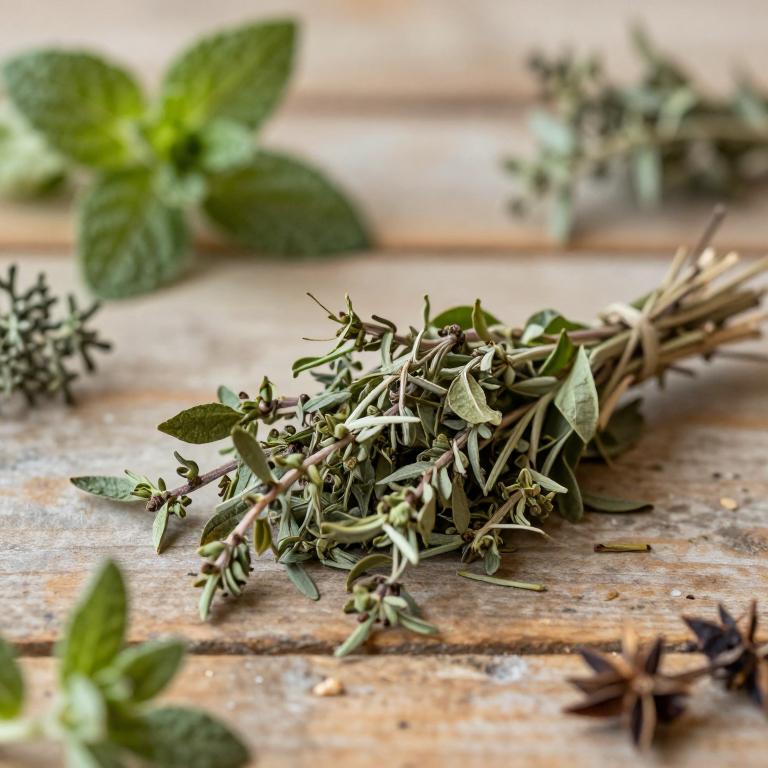
Mentha × gracilis, scientifically known as Mentha × gracilis, is a captivating hybrid mint prized for its aromatic qualities and medicinal potential. Renowned for its refreshing scent, this versatile plant is utilized in traditional wellness practices to aid digestion, alleviate respiratory discomfort, and provide soothing topical relief for skin ailments.
- Family
- Lamiaceae
- Native range
- Europe
- Parts used
- Not available
- Common names
- Mentha ×Gracilis
- Scientific synonyms
- Mentha × Agardhiana · Mentha × Rubra Var. Pratensis · 83 more
Names and Synonyms
Common Names
- Mentha ×gracilis
Scientific Names
Accepted name
Mentha × gracilisSynonyms
- Mentha × agardhiana
- Mentha × rubra var. pratensis
- Mentha gentilis var. pratensis
- Mentha hirsuta var. agardhiana
- Mentha × subundulata
- Mentha × calvescens
- Mentha × cantalica
- Mentha × gracilis var. cardiaca
- Mentha gentilis var. rivalis
- Mentha aquatica var. agardhiana
- Mentha gentilis var. altissima
- Mentha gentilis subsp. pratensis
- Mentha × grata
- Mentha × dentata var. agraria
- Mentha gentilis var. cacosma
- Mentha × elliptica var. variegata
- Mentha × heleogeton
- Mentha gentilis var. ovata
- Mentha gentilis subsp. cardiaca
- Mentha gentilis var. stricta
- Mentha gentilis subsp. pauliana
- Mentha gentilis var. resinosa
- Mentha gentilis f. pseudorubra
- Mentha gentilis var. veronensis
- Mentha gentilis var. vesana
- Mentha gentilis var. heleogeton
- Mentha gentilis var. kmetiana
- Mentha × cardiaca var. kmetiana
- Mentha gentilis f. beckeriana
- Mentha × pauciflora
- Mentha gentilis var. reichenbachii
- Mentha × pauliana
- Mentha gentilis var. friesii
- Mentha × perdentata
- Mentha gentilis f. scandica
- Mentha × cardiaca var. pergracilis
- Mentha gentilis f. hercynica
- Mentha × pratensis
- Mentha gentilis var. schierliana
- Mentha × postelbergensis
- Mentha gentilis f. hackenbruckii
- Mentha × pugetii
- Mentha gentilis f. nemoricola
- Mentha × resinosa
- Mentha gentilis f. gratiosa
- Mentha × rhomboidifolia
- Mentha gentilis f. geniata
- Mentha × vesana
- Mentha gentilis var. crispa
- Mentha × variegata
- Mentha × pratensis var. crispa
- Mentha × vegeta
- Mentha × gracilis subsp. veronensis
- Mentha × subgentilis
- Mentha × resinosa var. wuerlii
- Mentha × strailii
- Mentha × sarntheinii
- Mentha × elegans
- Mentha × elliptica
- Mentha × ciliata
- Mentha × crepiniana
- Mentha × cruciata
- Mentha × dentata
- Mentha × cardiaca
- Mentha × beckeri
- Mentha arvensis var. subgentilis
- Mentha gentilis var. arrhenii
- Mentha × arrhenii
- Mentha gentilis var. pusilla
- Mentha gentilis var. ciliata
- Mentha gentilis var. grata
- Mentha gentilis var. variegata
- Mentha × grata var. variegata
- Mentha × rubra var. crepiniana
- Mentha gentilis var. cuneifolia
- Mentha gentilis var. elliptica
- Mentha gentilis var. legitima
- Mentha gentilis var. pauliana
- Mentha gentilis var. cardiaca
- Mentha gentilis var. gracilis
- Mentha gentilis var. pugetii
- Mentha gentilis var. agardhiana
- Mentha gentilis var. hortensis
- Mentha gentilis subsp. rubra
- Mentha arvensis var. pauliana
Regional and Traditional Names
Spanish:
- Mentha ×gracilis
- Mentha gracilis
German:
- Mentha ×gracilis
- Mentha gracilis
- Ingwer-Minze
- Kärntner Minze
French:
- Mentha ×gracilis
- Mentha gracilis
Sources: Wikidata
Taxonomical Classification
This plant belongs to the kingdom Plantae within the phylum Streptophyta and the class Equisetopsida. Classified under the subclass Magnoliidae and the order Lamiales, it is a member of the family Lamiaceae. Specifically, Mentha × gracilis is identified under the genus Mentha.
| Rank | Classification |
|---|---|
| Kingdom | Plantae |
| Phylum | Streptophyta |
| Class | Equisetopsida |
| Subclass | Magnoliidae |
| Order | Lamiales |
| Family | Lamiaceae |
| Genus | Mentha |
Sources: The World Checklist of Vascular Plants (WCVP)
Distribution
This plant exhibits a specific distribution across several regions in Northern Europe. It can be found growing within the borders of Denmark. Additionally, its presence is noted in the country of Finland. The species also inhabits the landscapes of Great Britain and Ireland. Finally, its geographical range extends to the northern territory of Norway.
| Region | Area |
|---|---|
| Northern Europe | Denmark |
| Northern Europe | Finland |
| Northern Europe | Great Britain |
| Northern Europe | Ireland |
| Northern Europe | Norway |
| Northern Europe | Sweden |
| Middle Europe | Austria |
| Middle Europe | Belgium |
| Middle Europe | Czechia-Slovakia |
| Middle Europe | Germany |
Sources: The World Checklist of Vascular Plants (WCVP)
Botanical Identification
Life history
The life history of Mentha × gracilis is characterized by its classification as a perennial organism, meaning it persists through multiple growing seasons rather than completing its cycle in a single year. As a hybrid mint, its life cycle is driven by robust vegetative reproduction, often utilizing underground rhizomes or stolons to spread and establish new clonal colonies over time. While it may undergo seasonal dormancy during unfavorable environmental conditions, its perennial nature allows it to regrow from established root systems each spring. This lifecycle strategy enables the plant to dominate its habitat through continuous lateral expansion, ensuring long-term survival and structural persistence within its ecological niche.
- Lifecycle :
- perennial
Morphology
The morphology of Mentha × gracilis is characterized by a growth form consistent with a non-woody herb, presenting as a soft-tissued plant rather than a shrub or tree. As a self-supporting species, it lacks the climbing or vining habits of lianas and does not function as an obligatory or facultative climber. The plant is biologically independent, showing no parasitic tendencies, and is strictly terrestrial in its epiphytic classification rather than being an obligate or facultative epiphyte. Regarding its moisture preference, while the species can exist in various ecological niches, it is categorized across a spectrum that includes aquatic, semiaquatic, and terrestrial habitats.
- Aquatic :
- terrestrial
- Climber :
- self-supporting
- Epiphyte :
- terrestrial
- Growth form :
- herb
- Parasite :
- independent
- Woodiness :
- non-woody
Physiology
The physiology of Mentha × gracilis is characterized by a standard C3 photosynthetic pathway, which dictates its metabolic approach to carbon fixation and energy production. As a C3 plant, the initial fixation of atmospheric carbon dioxide occurs through the enzyme RuBisCO, resulting in the direct formation of a three-carbon compound, 3-phosphoglycerate, within the mesophyll cells. This metabolic route implies that the plant's efficiency is highly dependent on environmental variables such as light intensity, temperature, and water availability, as the C3 pathway is susceptible to photorespiration when stomatal conductance decreases under heat or drought stress. Furthermore, its physiological processes include specialized secondary metabolism, particularly the biosynthesis of volatile essential oils within glandular trichomes, which serves as a critical mechanism for defense and environmental adaptation.
- Photosynthetic pathway :
- C3
Sources: Global Inventory of Floras and Traits (GIFT)
Chemicals
Mentha × gracilis has 9 reported phytochemicals identified across 0 scientific publications and several other databases. The most consistently reported chemicals include 1,8-Cineole, CHLOROPHYLL, Germacrene D, Hydrogen peroxide (H2O2), Linalool.
| Chemical | Supporting sources | Consensus |
|---|---|---|
| 1,8-Cineole | 1 supporting sources | ★☆☆☆☆ |
| CHLOROPHYLL | 1 supporting sources | ★☆☆☆☆ |
| Germacrene D | 1 supporting sources | ★☆☆☆☆ |
| Hydrogen peroxide (H2O2) | 1 supporting sources | ★☆☆☆☆ |
| Linalool | 1 supporting sources | ★☆☆☆☆ |
| Superoxide dismutase | 1 supporting sources | ★☆☆☆☆ |
| TITANIUM | 1 supporting sources | ★☆☆☆☆ |
| proline | 1 supporting sources | ★☆☆☆☆ |
| trans-Caryophyllene | 1 supporting sources | ★☆☆☆☆ |
1,8-Cineole
- BMC plant biology
CHLOROPHYLL
- BMC plant biology
Germacrene D
- BMC plant biology
Hydrogen peroxide (H2O2)
- BMC plant biology
Linalool
- BMC plant biology
Superoxide dismutase
- BMC plant biology
TITANIUM
- BMC plant biology
proline
- BMC plant biology
trans-Caryophyllene
- BMC plant biology
Conditions
Mentha × gracilis has 3 reported investigations on conditions identified across 0 scientific publications and several other databases. The most consistently reported conditions include abiotic stress, oxidative stress, salinity.
| Condition | Supporting sources | Consensus |
|---|---|---|
| Abiotic stress | 1 supporting sources | ★☆☆☆☆ |
| Oxidative stress | 1 supporting sources | ★☆☆☆☆ |
| Salinity | 1 supporting sources | ★☆☆☆☆ |
Abiotic stress
- BMC plant biology
Oxidative stress
- BMC plant biology
Salinity
- BMC plant biology