Mentha spicata subsp. spicata
Mentha spicata subsp. spicata · Accepted scientific name
Scientific literature: Very Sparse (0 studies) · ★☆☆☆☆
Mentha spicata subsp. spicata is a versatile botanical species widely recognized for its significant therapeutic potential. Recent studies highlight its remarkable biological activities, including antidiabetic, antioxidant, and antiviral properties. These beneficial effects are most commonly accessed through the use of aqueous extracts and tea infusions. By utilizing these traditional preparations, consumers can harness the plant's complex phytochemical profile for health support. Consequently, this subspecies remains a subject of great interest in both herbal medicine and pharmacological research.
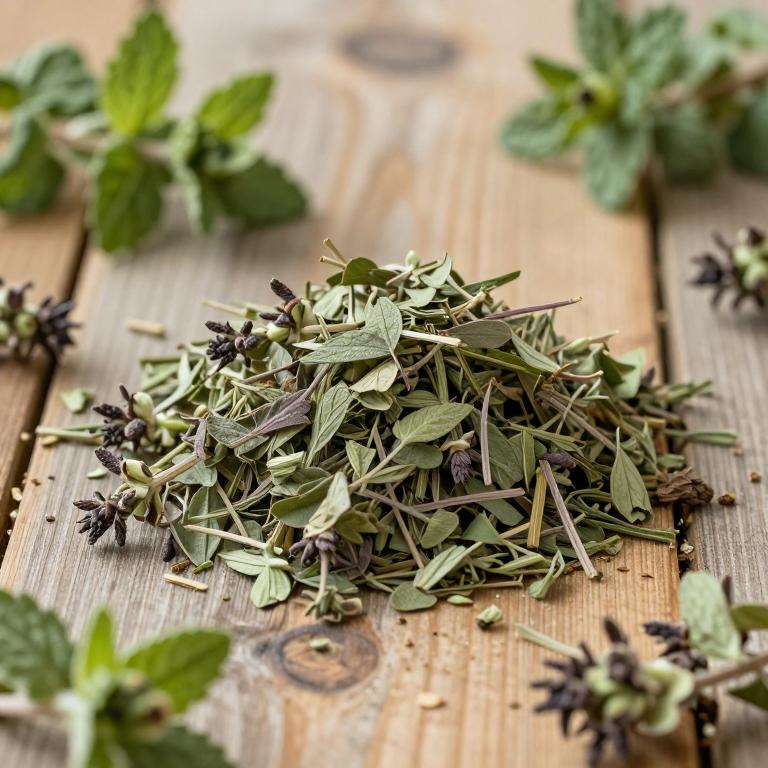
- Synonyms
- Mentha Crispata · Mentha Sepincola · 101 more
- Common names
- Not available
- Family
- Lamiaceae
- Distribution
- Asia-Tropical
- Plant Parts
- Not available
Classification
Common Names
Mentha spicata subsp. spicata is a versatile herb known by many different regional names across various languages. In English-speaking regions, it is most frequently referred to by its common name, Curly Mint. This plant also carries several distinct titles in German, such as Grüne Minze and Kahle Grüne Minze. Depending on the specific local dialect or variety, it may also be identified as Grøn Mynte or Krusemynte. Regardless of the name used, this aromatic plant remains a beloved staple in gardens and kitchens alike.
Sources: Catalogue of Life (COL)
Synonyms
Mentha spicata subsp. spicata is a plant recognized by a diverse array of botanical synonyms in scientific literature. It has been historically referred to as Mentha aquatica subsp. crispa, as well as the variant Mentha aquatica var. crispa. Researchers have also categorized this taxon under the names Mentha atrata and Mentha brevispicata. Furthermore, the name Mentha cordato-ovata has been applied to the same species in various contexts. Understanding these overlapping nomenclatures is essential for accurate identification and classification in botanical studies.
Sources: The World Checklist of Vascular Plants (WCVP)
Taxonomy
Mentha spicata subsp. spicata belongs to the vast kingdom Plantae, serving as a distinct representative of the natural world. Within this kingdom, it is classified under the class Equisetopsida and falls into the order Lamiales. This botanical specimen is a proud member of the Lamiaceae family, a group known for its aromatic qualities. Furthermore, it is situated within the specific genus Mentha, which defines its unique biological characteristics. Understanding these hierarchical relationships provides essential insight into the plant's evolutionary lineage.
| Rank | Classification |
|---|---|
| Kingdom | Plantae |
| Phylum | Streptophyta |
| Class | Equisetopsida |
| Subclass | Magnoliidae |
| Order | Lamiales |
| Family | Lamiaceae |
| Genus | Mentha |
Sources: The World Checklist of Vascular Plants (WCVP)
Distribution
Geographic Regions
Mentha spicata subsp. spicata exhibits a diverse geographical presence spanning several key regions. This subspecies is widely distributed across Africa, extending its reach into the Macaronesian islands including the Azores, the Canary Islands, and Madeira. Its range also encompasses much of Northeast Tropical Africa, specifically within countries like Chad and Ethiopia. Such a broad distribution highlights the plant's ability to adapt to various African environments. Ultimately, these connections illustrate the expansive ecological footprint of this particular mint variety.
Sources: The World Checklist of Vascular Plants (WCVP)
Identification
Biological Activities
Compounds
Conditions
Mentha spicata subsp. spicata demonstrates significant medicinal potential by helping to treat HIV-1 induced cytopathogenicity. This plant species also contributes to chemopreventative strategies by assisting in the treatment of the MGMT repair protein through increased expression levels. Research into the essential oils of Mentha species reveals an antibacterial effect towards both gram+ and gram- bacteria. Additionally, the biological activities of these plants include allelopathic properties. Finally, the extracts from this genus have also been shown to provide anticorrosive benefits.
Preparations
Mentha spicata subsp. spicata is prepared as aqueous extracts to utilize its water-soluble polar substances. These extracts have been investigated for their potential biological activities, including inhibitory effects against various pathogens. Furthermore, Mentha spicata subsp. spicata is prepared as tea infusions for daily consumption in certain regions. This specific method of preparation is a common ethnobotanical practice among the Moroccan population. Both aqueous extraction and tea infusion represent primary ways this plant species is processed for use.