Mentha japonica
Mentha japonica · Accepted scientific name
Scientific literature: Very Sparse (6 studies) · ★☆☆☆☆
Mentha japonica, scientifically known as Mentha japonica, is a perennial herb native to East Asia. Renowned for its refreshing aroma and cooling properties, this plant is widely used in traditional medicine and herbal teas. Its bioactive compounds offer potential therapeutic benefits, ranging from digestive support to soothing skin irritations.
- Family
- Not available
- Native range
- Asia-Temperate
- Parts used
- Not available
- Common names
- Not available
- Scientific synonyms
- Not available
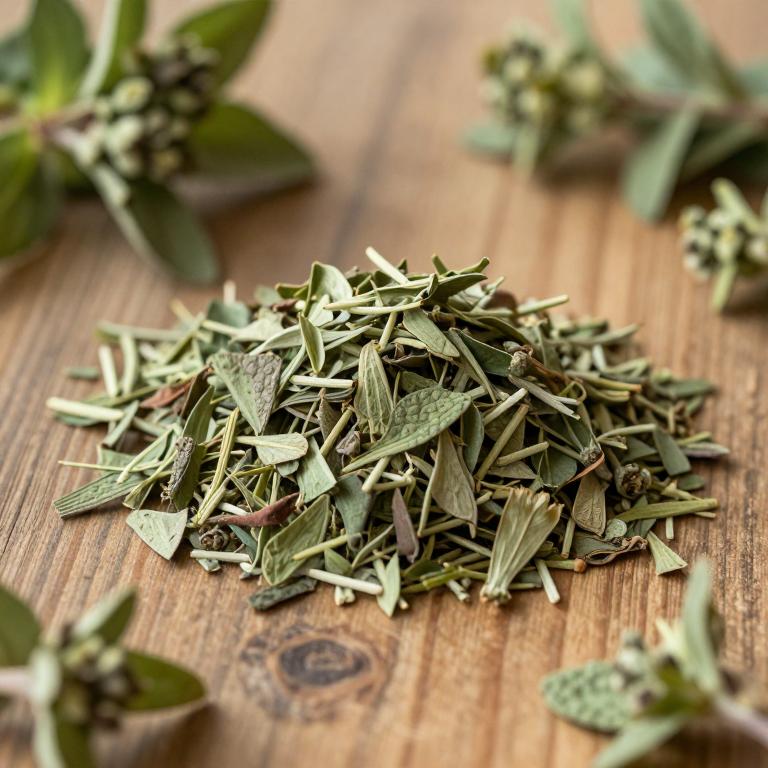
Names and Synonyms
Scientific Names
Accepted name
Mentha japonicaDistribution
This plant is primarily characterized by a very specific and localized geographical range. It is native to the regions of Eastern Asia, where it thrives in certain environmental conditions. Within this vast continent, its natural habitat is specifically centered in Japan. Because of this limited distribution, it is considered an endemic species to that particular archipelago. Consequently, finding this medicinal plant in the wild typically requires traveling to the islands of Japan.
| Region | Area |
|---|---|
| Eastern Asia | Japan |
Sources: The World Checklist of Vascular Plants (WCVP)
Botanical Identification
Life history
The life history of Mentha japonica is characterized by its classification as a hemicryptophyte, a life form where the perennating buds are located at or just below the soil surface, protected by leaf litter or soil. This strategy allows the plant to survive unfavorable seasonal conditions by maintaining dormant buds at the ground level, enabling it to re-emerge vigorously during the growing season. As a hemicryptophyte, it utilizes both rhizomatous growth and seed production to navigate its environmental cycles, ensuring persistence in its natural habitats. This developmental pattern facilitates its ability to colonize moist areas and stabilize its presence within its ecological niche through perennial regrowth from these protected subterranean or surface-level buds.
- Life form :
- hemicryptophyte
Morphology
The morphology of Mentha japonica is characterized by its growth form as a non-woody herb. The plant is strictly terrestrial in its ecological habit and functions as an independent organism, showing no parasitic tendencies. While it possesses a structure that allows for some spreading, it is classified as a self-supporting plant rather than a climber, maintaining its own structural integrity without the need for external support.
- Climber :
- self-supporting
- Epiphyte :
- terrestrial
- Growth form :
- herb
- Parasite :
- independent
- Woodiness :
- non-woody
Sources: Global Inventory of Floras and Traits (GIFT)
Chemicals
Mentha japonica has 3 reported phytochemicals identified across 0 scientific publications and several other databases. The most consistently reported chemicals include (+)-Pulegone, (-)-Limonene, (-)-Menthone.
| Chemical | Supporting sources | Consensus |
|---|---|---|
| (+)-Pulegone | 1 supporting sources | ★☆☆☆☆ |
| (-)-Limonene | 1 supporting sources | ★☆☆☆☆ |
| (-)-Menthone | 1 supporting sources | ★☆☆☆☆ |
(+)-Pulegone
- Dr. Duke
(-)-Limonene
- Dr. Duke
(-)-Menthone
- Dr. Duke
Activities
Mentha japonica has 3 reported activities identified across 0 scientific publications and several other databases. The most consistently reported activities include Antiacetylcholinesterase, Irritant, Perfumery.
| Activity | Supporting sources | Consensus |
|---|---|---|
| Antiacetylcholinesterase | 1 supporting sources | ★☆☆☆☆ |
| Irritant | 1 supporting sources | ★☆☆☆☆ |
| Perfumery | 1 supporting sources | ★☆☆☆☆ |
Antiacetylcholinesterase
- Dr. Duke
Irritant
- Dr. Duke
Perfumery
- Dr. Duke