Memecylon
Memecylon · Accepted scientific name
Scientific literature: Very Sparse (0 studies) · ★☆☆☆☆
Memecylon is a versatile genus of evergreen shrubs and trees celebrated for their dense, glossy foliage and delicate blooms. Often found in tropical and subtropical regions, these plants serve various ecological roles within their native habitats. Many traditional practices utilize the plant's fresh leaves to create potent medicinal preparations. By leveraging the natural properties found in these raw leaves, practitioners can derive specific therapeutic benefits. Understanding the unique characteristics of Memecylon is essential for anyone interested in botanical applications.
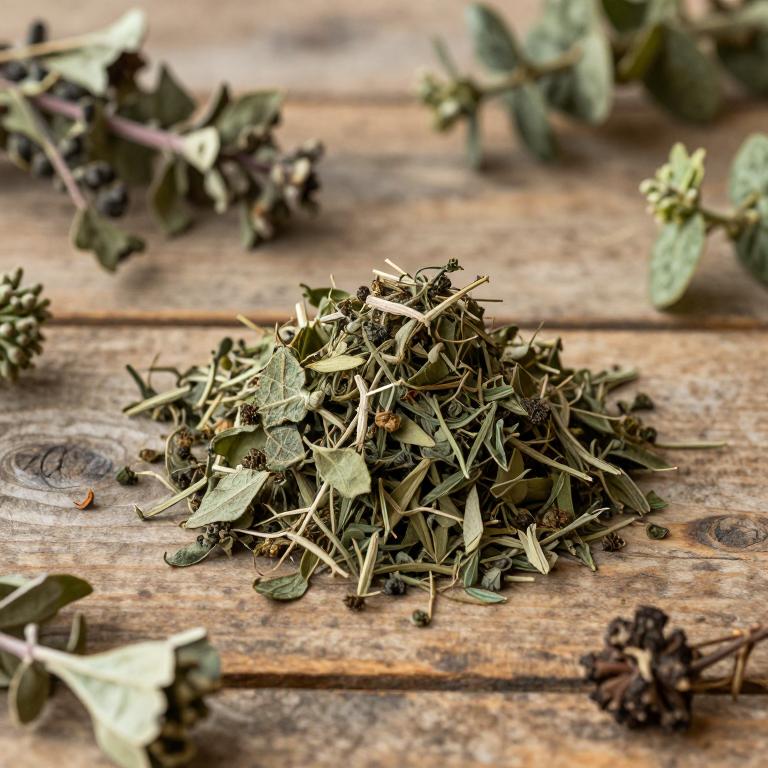
- Synonyms
- Scutula · Klaineastrum
- Common names
- Not available
- Family
- Melastomataceae
- Distribution
- Asia-Tropical
- Plant Parts
- Not available
Classification
Common Names
Memecylon is a versatile plant known by a diverse array of names across different cultures and languages. In some regions, it is commonly referred to as Nipis kulit, while others recognize it as the Wild Rose-apple Trees. Its linguistic reach extends even further, appearing as klbkovník in certain botanical contexts. The plant also holds the designation of kuonomarjat in specific local traditions. Finally, it is frequently identified as Šafránovka, reflecting its unique global identity.
Sources: Catalogue of Life (COL)
Synonyms
Memecylon is a complex genus that is often subject to taxonomic reclassification within botanical studies. Researchers have identified that this group includes certain taxa previously categorized under the name Klaineastrum. Additionally, the genus shares synonymous connections with the name Scutula in various historical records. These overlapping designations highlight the intricate evolutionary relationships found within the plant family. Understanding these synonyms is essential for maintaining accurate classification and consistent scientific communication.
Sources: The World Checklist of Vascular Plants (WCVP)
Taxonomy
Memecylon is a fascinating member of the kingdom Plantae that showcases the diverse complexity of the natural world. This plant belongs to the class Equisetopsida and is specifically categorized within the order Myrtales. As a representative of the Melastomataceae family, it exhibits unique botanical characteristics shared by its relatives. It is also the namesake of its own distinct genus, Memecylon. Understanding these hierarchical relationships provides essential insight into the evolutionary lineage of this unique organism.
| Rank | Classification |
|---|---|
| Kingdom | Plantae |
| Phylum | Streptophyta |
| Class | Equisetopsida |
| Subclass | Magnoliidae |
| Order | Myrtales |
| Family | Melastomataceae |
| Genus | Memecylon |
Sources: The World Checklist of Vascular Plants (WCVP)
Distribution
Geographic Regions
Memecylon exhibits a widespread distribution across various regions of the African continent. Within East Tropical Africa, this plant can be found throughout Kenya, Tanzania, and Uganda. Its presence extends further into South Tropical Africa, establishing itself in countries like Angola. Additionally, the species is commonly documented within the borders of Malawi. This broad geographical range highlights the adaptability of Memecylon across diverse tropical landscapes.
Sources: The World Checklist of Vascular Plants (WCVP)
Identification
Biological Activities
Compounds
Conditions
Preparations
Memecylon species undergo a specific preparation process where fresh leaves are utilized to create crude enzyme extracts. This preparation is essential for the subsequent analysis of various isozyme variations across different species. By using these fresh leaves, researchers can effectively study enzymes such as peroxidase and esterase through electrophoresis. The resulting extracts allow for the detailed biochemical characterization of the plant's genetic fingerprint. Ultimately, the use of fresh leaves ensures the accuracy of the protein and isozyme profiling used to differentiate these species.