Melissa
Melissa · Accepted scientific name
Scientific literature: Very Sparse (0 studies) · ★☆☆☆☆
Melissa is a versatile botanical widely recognized for its significant therapeutic potential and aromatic properties. A key bioactive component found within this plant is rosmarinic acid, which contributes to its diverse medicinal profile. To harness these beneficial properties, researchers utilize various processing techniques such as conventional methods and ethanol extraction. Advanced preservation strategies, including freeze-drying and microwave drying, are also employed to maintain the integrity of its chemical constituents. Understanding these different preparations is essential for optimizing the plant's application in scientific and industrial sectors.
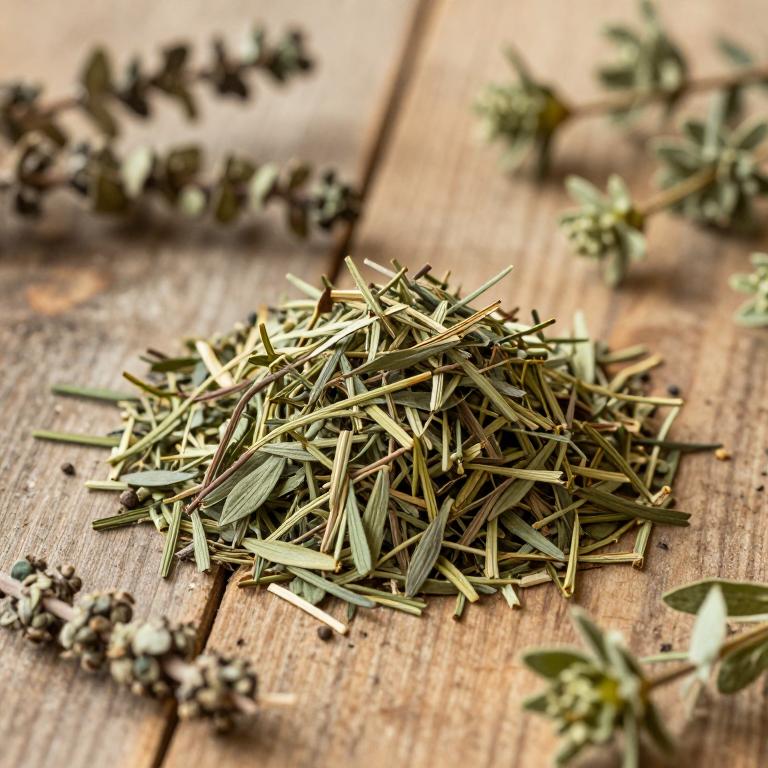
- Synonyms
- Mutelia
- Common names
- Not available
- Family
- Lamiaceae
- Distribution
- Asia-Tropical
- Plant Parts
- Not available
Classification
Common Names
Melissa is a versatile botanical subject frequently referred to by several distinct names across various contexts. It is commonly known as Melisa or Melissa, though it is sometimes spelled as Melissas depending on the linguistic source. In certain regions, the plant is also identified by the name Melisse to reflect local naming conventions. Furthermore, it carries the traditional Danish common name Hjertensfrydslægten, adding a layer of cultural depth to its identity. Understanding these various aliases is essential for anyone looking to study this plant's diverse nomenclature.
Sources: Catalogue of Life (COL)
Synonyms
Melissa is a genus of plants that is frequently referred to by its synonym, Mutelia. This botanical connection can often cause confusion for researchers and gardeners attempting to classify specific species. Understanding that these names describe the same group is essential for accurate scientific communication. By recognizing Mutelia as an alternative label, one can better navigate various taxonomic databases. This linguistic overlap highlights the complex and evolving nature of plant nomenclature.
Sources: The World Checklist of Vascular Plants (WCVP)
Taxonomy
Melissa belongs to the vast kingdom Plantae, representing the diverse world of multicellular organisms. Within this realm, it is classified under the class Equisetopsida, showcasing its fundamental botanical structure. The plant further falls into the order Lamiales, a group that shares specific morphological characteristics. It is also a member of the Lamiaceae family, which is well-known for its aromatic qualities. Finally, the plant is identified by its specific genus, Melissa, which defines its unique biological identity.
| Rank | Classification |
|---|---|
| Kingdom | Plantae |
| Phylum | Streptophyta |
| Class | Equisetopsida |
| Subclass | Magnoliidae |
| Order | Lamiales |
| Family | Lamiaceae |
| Genus | Melissa |
Sources: The World Checklist of Vascular Plants (WCVP)
Distribution
Geographic Regions
Melissa exhibits a broad geographical presence across the African continent and various Atlantic islands. Its range extends through Macaronesia, specifically encompassing the Azores, Madeira, and the Canary Islands. Within the African mainland, the plant is notably established throughout Northern Africa. This distribution includes specific regional populations found in both Algeria and Morocco. Together, these locations highlight the diverse environmental niches that Melissa occupies.
Sources: The World Checklist of Vascular Plants (WCVP)
Identification
Biological Activities
Compounds
Melissa is recognized as a notable member of the Lamiaceae family that possesses a high concentration of beneficial compounds. Specifically, this genus contains a large amount of rosmarinic acid, often exceeding 3% based on its dry weight. This high content of hydroxycinnamic derivatives contributes significantly to the plant's overall chemical profile. Furthermore, these essential components are closely linked to the antioxidant activity observed in hydroalcoholic extracts. Consequently, the presence of rosmarinic acid makes Melissa a significant subject in the study of medicinal plant properties.
Conditions
Melissa is utilized in various commercial plant products specifically designed for the treatment of recurrent herpetic infections. These products leverage the plant's natural properties to address the ongoing nature of the virus. Many companies have already brought these Melissa-based formulations to the market to assist patients. Such treatments aim to manage the periodic outbreaks characteristic of the condition. Consequently, Melissa serves as a key botanical component in addressing these persistent viral issues.
Preparations
Melissa is prepared as conventional, microwave drying, and freeze-drying treatments to evaluate the preservation of phenolic compounds and antioxidant activity. In clinical trials focused on memory enhancement, Melissa is prepared as an ethanol extract within a combined herbal medicine. Furthermore, Melissa is prepared as various plant products that are marketed for the treatment of recurrent herpetic infections. These diverse preparation methods demonstrate the plant's versatility in both pharmaceutical and infusion processing industries. Each specific method, from drying techniques to liquid extracts, serves to optimize the biological efficacy of the herb.