melilot
Melilotus · Accepted scientific name
Scientific literature: Very Sparse (1 studies) · ★☆☆☆☆
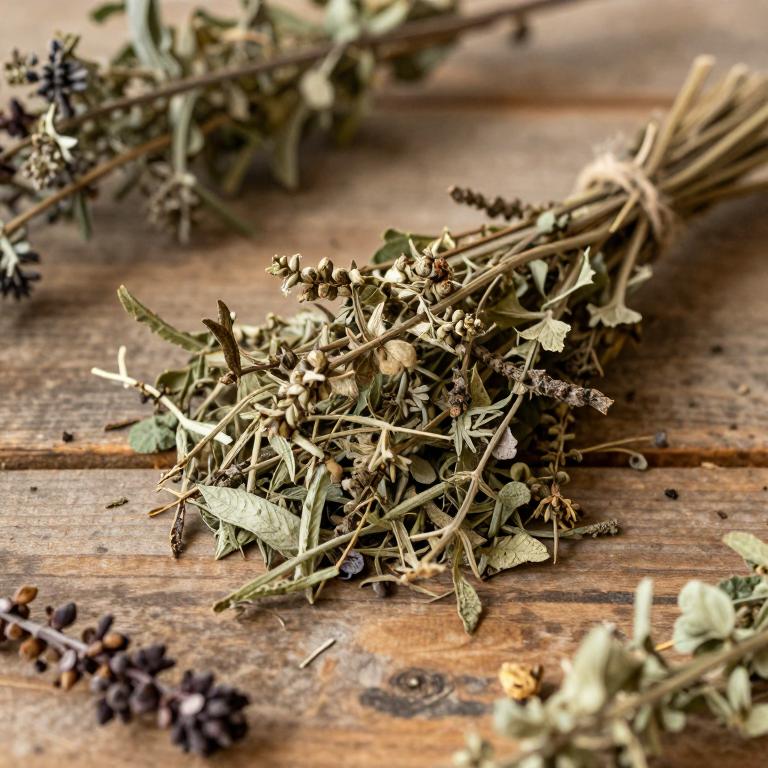
Melilot, scientifically known as Melilotus, is a versatile medicinal herb belonging to the legume family. Renowned for its aromatic properties, it contains coumarin, which offers anti-inflammatory and antispasmodic benefits. Traditionally used to support circulation and soothe digestive issues, this plant remains a significant subject in herbal pharmacology and studies.
Names and Synonyms
Common Names
- melilot
- sweet-clover
- melilots
- melilots and sweetclovers
- sweet clovers
- Sweet Clover
Scientific Names
Accepted name
MelilotusSynonyms
- Brachylobus
- Sertula
- Melilota
Regional and Traditional Names
Spanish:
- Trébol de olor
- Trebol de olor
- Meliloto
- melilotos o tréboles de olor
German:
- Steinklee
- Honigklee
- Steinklee
- Steinklee & Honigklee
French:
- Mélilot
- Melitotus
- Melilot
- mélilot
- Mélilots
Sources: Wikidata, Catalogue of Life
Taxonomical Classification
This plant belongs to the kingdom Plantae and the phylum Streptophyta, falling under the class Equisetopsida and subclass Magnoliidae. Within the order Fabales, it is classified under the family Fabaceae. It is specifically identified by its genus name, Melilotus.
| Rank | Classification |
|---|---|
| Kingdom | Plantae |
| Phylum | Streptophyta |
| Class | Equisetopsida |
| Subclass | Magnoliidae |
| Order | Fabales |
| Family | Fabaceae |
| Genus | Melilotus |
Sources: The World Checklist of Vascular Plants (WCVP)
Distribution
This plant exhibits a broad geographical presence across several Northern European territories. It is commonly found growing throughout the diverse landscapes of Denmark. Furthermore, its distribution extends to the northern reaches of Finland. The species is also well-established within the regions of Great Britain and Ireland. Finally, its range continues through the rugged terrain of Norway.
| Region | Area |
|---|---|
| Northern Europe | Denmark |
| Northern Europe | Finland |
| Northern Europe | Great Britain |
| Northern Europe | Ireland |
| Northern Europe | Norway |
| Northern Europe | Sweden |
| Middle Europe | Austria |
| Middle Europe | Belgium |
| Middle Europe | Czechia-Slovakia |
| Middle Europe | Germany |
Sources: The World Checklist of Vascular Plants (WCVP)
Chemicals
Melilotus has 1 reported phytochemicals identified across 0 scientific publications and several other databases. The most consistently reported chemicals include coumarin.
| Chemical | Supporting sources | Consensus |
|---|---|---|
| coumarin | 1 supporting sources | ★☆☆☆☆ |
coumarin
- Plants (Basel, Switzerland)