Melicope patulinervia
Melicope patulinervia · Accepted scientific name
Scientific literature: Very Sparse (0 studies) · ★☆☆☆☆
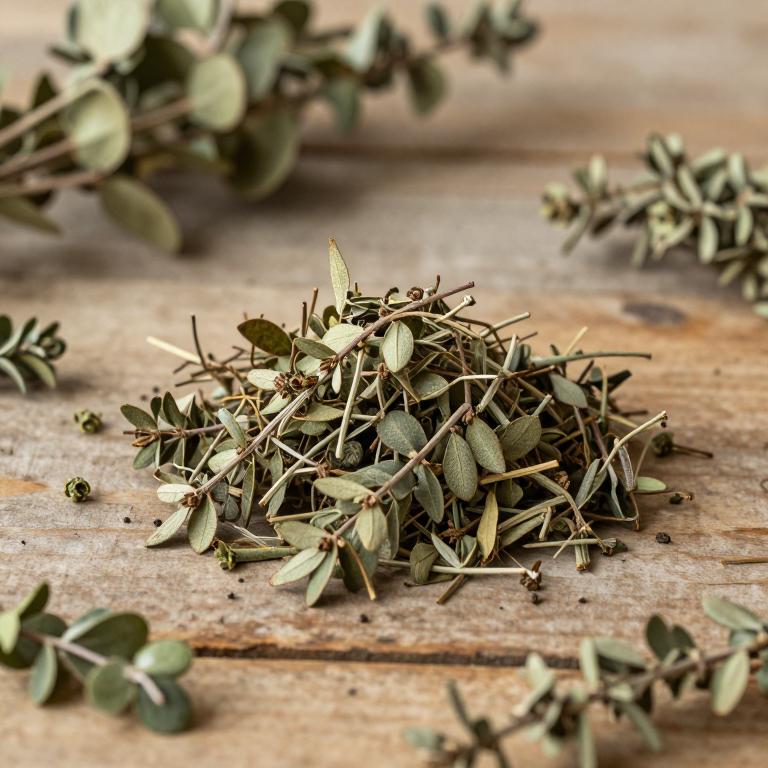
Melicope patulinervia is a distinctive woody species often recognized by its unique foliage. The most defining characteristic of this plant is its leaf structure, which features fine, parallel venation. These leaves are typically arranged to create a lush, textured appearance within its natural habitat. Botanists often examine the leaf patterns to distinguish this species from its close relatives. Understanding these vegetative details is essential for the proper identification and study of the plant.
- Synonyms
- Euodia Patulinervia
- Common names
- Not available
- Family
- Rutaceae
- Distribution
- Southern America
- Plant Parts
- Leaf
Classification
Common Names
Melicope patulinervia is a distinct plant species that is widely recognized by its common name, 蜜茱萸. This botanical identity helps local communities and researchers quickly identify its unique characteristics within the forest ecosystem. By using this specific vernacular term, enthusiasts can better navigate the complex web of regional flora. Understanding these naming relationships is essential for accurate documentation and conservation efforts. Ultimately, bridging the gap between scientific nomenclature and common usage strengthens our connection to the natural world.
Sources: Catalogue of Life (COL)
Synonyms
Melicope patulinervia is a botanical species that is frequently identified by its scientific synonym, Euodia patulinervia. While these two names may appear different, they refer to the exact same plant within the taxonomic record. This nomenclature shift reflects the evolving nature of botanical classification and the ongoing efforts of scientists to organize plant families accurately. Understanding these synonyms is essential for researchers and gardeners who wish to ensure they are studying the correct specimen. Consequently, recognizing both terms allows for seamless communication across various scientific databases and literature.
Sources: The World Checklist of Vascular Plants (WCVP)
Taxonomy
Melicope patulinervia is a distinct biological entity belonging to the kingdom Plantae. Within this vast kingdom, the species is classified under the class Equisetopsida. It falls under the order Sapindales, showcasing its specific evolutionary placement. As a member of the genus Melicope, it shares unique structural characteristics with its close relatives. Finally, this plant is nested within the family Rutaceae, completing its formal taxonomic hierarchy.
| Rank | Classification |
|---|---|
| Kingdom | Plantae |
| Phylum | Streptophyta |
| Class | Equisetopsida |
| Subclass | Magnoliidae |
| Order | Sapindales |
| Family | Rutaceae |
| Genus | Melicope |
Sources: The World Checklist of Vascular Plants (WCVP)
Distribution
Geographic Regions
Melicope patulinervia is a plant species characterized by its specific geographic presence across several regions. It is primarily distributed throughout the Asia-temperate zone, showcasing its ability to thrive in these climates. Within this broader range, the species maintains a notable presence in the vast landscapes of China. Furthermore, its habitat extends to the tropical surroundings of Hainan, highlighting its ecological versatility. Understanding these locations is essential for studying the natural relationships and environmental needs of this unique plant.
Sources: The World Checklist of Vascular Plants (WCVP)
Identification
Biological Activities
Compounds
Conditions
Melicope patulinervia contains specific bioactive compounds that demonstrate the ability to treat α-glucosidase activity. Research into the plant's leaves has successfully isolated four new lignans and three new acetophenone derivatives. Among these isolated substances, patulinone 4 was identified as a potent inhibitor of the enzyme. This specific compound exhibited the strongest inhibitory effect with an IC50 value of 6.02 ± 0.46 μM. Consequently, the chemical constituents of Melicope patulinervia serve as significant agents for α-glucosidase inhibition.
Preparations
Parts used
Melicope patulinervia serves as a rich source of bioactive chemical compounds. Researchers have successfully isolated several new lignans and acetophenone derivatives specifically from its leaves. These substances, known as patulinones A-G, were characterized through advanced structural elucidation techniques. Significant focus was placed on testing these isolates for their potential $\alpha$-glucosidase inhibitory activity. Ultimately, the study identified compound 4 as a highly potent inhibitor within this botanical group.