Melicope chunii
Melicope chunii · Accepted scientific name
Scientific literature: Very Sparse (0 studies) · ★☆☆☆☆
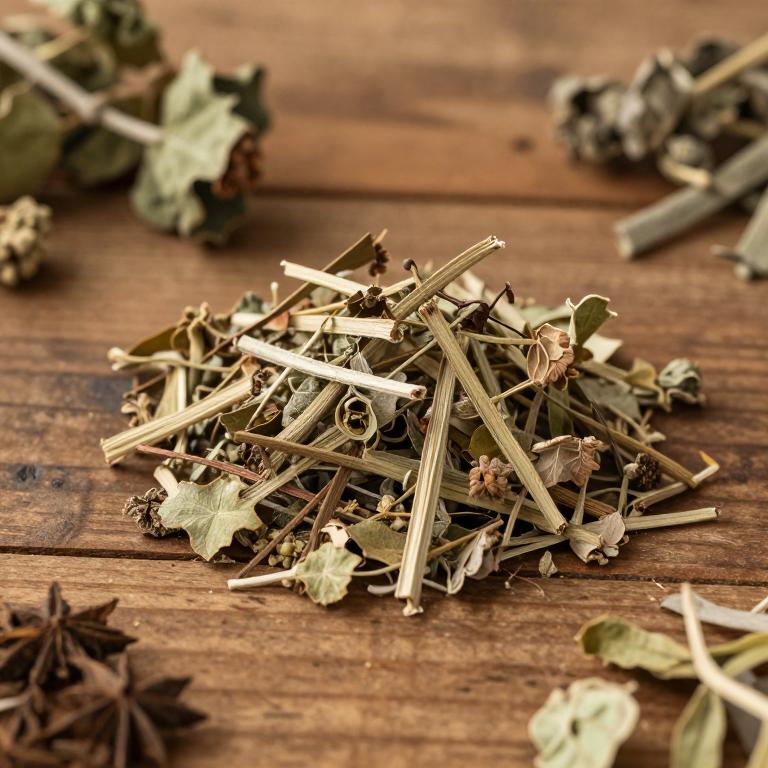
Melicope chunii is a distinctive botanical species known for its unique structural characteristics. While much of its identity is found in its foliage, the plant's stem plays a vital role in its overall growth and stability. This woody component provides the essential framework required to support its spreading branches. Observing the texture and strength of the stem can offer important clues regarding the plant's health and maturity. Understanding these physical attributes is crucial for anyone studying this specific member of the Rutaceae family.
- Synonyms
- Euodia Chunii · Euodia Lepta Var. Chunii
- Common names
- Not available
- Family
- Rutaceae
- Distribution
- Not available
- Plant Parts
- Stem
Classification
Common Names
Melicope chunii is a distinct botanical species known widely by its common name, 海南蜜茱萸. This plant holds a unique place in its native habitat, where it is recognized for its specific ecological characteristics. Local knowledge often links the species to its traditional name, helping researchers and enthusiasts identify it more easily in the field. Understanding these linguistic connections provides valuable insight into how the plant is perceived within its regional context. By studying both its scientific and common identities, one gains a deeper appreciation for the biological diversity of the region.
Sources: Catalogue of Life (COL)
Synonyms
Melicope chunii is a botanical species that has been classified under several different names throughout scientific history. It is officially recognized as having the synonym Euodia chunii within various taxonomic databases. Furthermore, researchers have also identified it as Euodia lepta var. chunii in certain botanical contexts. These overlapping names highlight the evolving nature of plant nomenclature and the complexities of reclassifying species. Understanding these synonymies is essential for anyone studying the diverse lineage of this particular plant.
Sources: The World Checklist of Vascular Plants (WCVP)
Taxonomy
Melicope chunii is a distinctive member of the kingdom Plantae. As a species within the genus Melicope, it displays unique botanical characteristics. It belongs to the family Rutaceae, which places it among many well-known aromatic plants. Furthermore, this plant is categorized under the order Sapindales. Finally, its biological classification is completed by its placement in the class Equisetopsida.
| Rank | Classification |
|---|---|
| Kingdom | Plantae |
| Phylum | Streptophyta |
| Class | Equisetopsida |
| Subclass | Magnoliidae |
| Order | Sapindales |
| Family | Rutaceae |
| Genus | Melicope |
Sources: The World Checklist of Vascular Plants (WCVP)
Distribution
Geographic Regions
Melicope chunii is a distinctive plant species primarily recognized for its specific geographic distribution. This botanical specimen is found within the Asia-Temperate region, flourishing in diverse environmental conditions. More specifically, its presence is well-documented across various landscapes in China. Within this vast territory, the island of Hainan serves as a notable habitat for the species. Understanding these regional connections is essential for researchers studying its natural ecology.
Sources: The World Checklist of Vascular Plants (WCVP)
Identification
Biological Activities
Compounds
Conditions
Melicope chunii contains several coumarin compounds, including the newly identified melichumarin A, that possess significant inhibitory properties. These isolated substances, ranging from the new stereoisomer to 16 known analogues, were extracted from the plant's above-ground parts. Pharmacological evaluations demonstrated that these compounds effectively treat the production of nitric oxide. Specifically, they inhibit NO production within lipopolysaccharide-activated mouse macrophage RAW264.7 cells. The potency of this inhibitory activity was measured through IC50 values ranging between 2.03 ± 0.05 and 15.84 ± 0.08 μM.
Preparations
Parts used
Melicope chunii serves as a rich source of bioactive compounds, particularly within its stem structures. Researchers have successfully isolated a novel coumarin known as melichumarin A from the above-ground parts of this plant. This specific compound, along with several biogenetically related analogues, was identified through comprehensive spectroscopic analysis. Beyond mere identification, these stem-derived substances demonstrated significant pharmacological potential during preliminary evaluations. Specifically, the isolated compounds exhibited a notable ability to inhibit nitric oxide production in activated mouse macrophage cells.