Melaleuca viridiflora
Melaleuca viridiflora · Accepted scientific name
Scientific literature: Moderate (135 studies) · ★★★☆☆
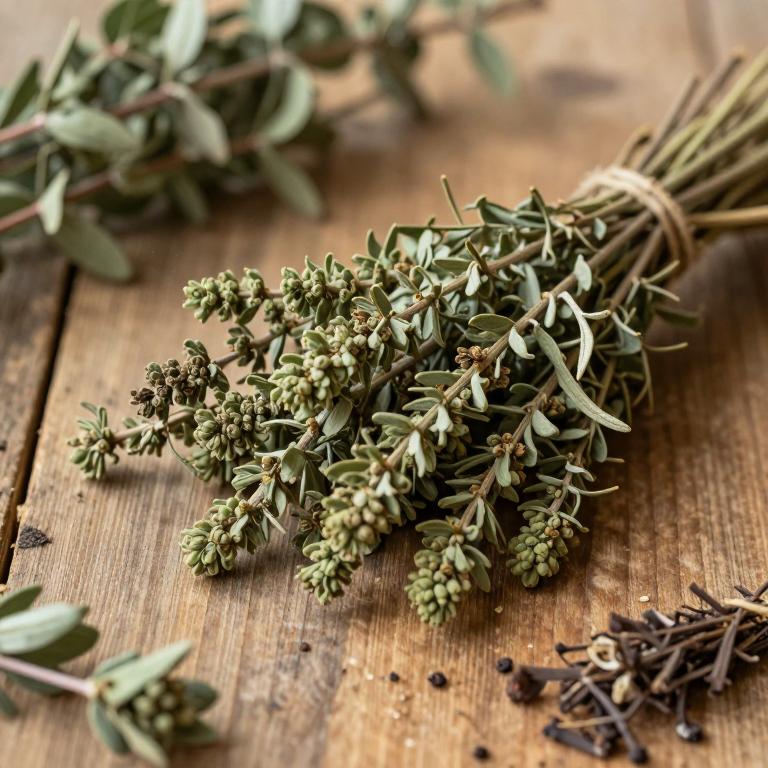
, scientifically known as Melaleuca viridiflora, is a remarkable medicinal plant prized for its potent therapeutic properties. Native to specific Australian regions, this species is rich in essential oils known for their antimicrobial and anti-inflammatory benefits. It serves as a vital resource in traditional healing and modern botanical studies.
- Family
- Not available
- Native range
- Asia-Tropical
- Parts used
- Not available
- Common names
- Not available
- Scientific synonyms
- Not available
Names and Synonyms
Scientific Names
Accepted name
Melaleuca viridifloraDistribution
This plant is widely distributed across several distinct regions within the Oceania and Australian territories. In the Papuasia region, it can be found growing throughout New Guinea. Within the continent of Australia, its presence spans across multiple diverse states and territories. Specifically, it inhabits the tropical landscapes of the Northern Territory and the coastal areas of Queensland. Additionally, the species extends its range toward the western side of the continent in Western Australia.
| Region | Area |
|---|---|
| Papuasia | New Guinea |
| Australia | Northern Territory |
| Australia | Queensland |
| Australia | Western Australia |
Sources: The World Checklist of Vascular Plants (WCVP)
Botanical Identification
Life history
The life history of Melaleuca viridiflora is characterized by its status as a perennial organism, ensuring its presence in the ecosystem through multiple growing seasons. As a phanerophyte, the plant maintains its photosynthetic organs on elevated structures, specifically functioning as a phanerophyte to protect its vital tissues above the ground level. This growth habit is complemented by its evergreen deciduousness, meaning it retains its foliage throughout the year without undergoing a seasonal shedding period. This combination of a long-lived perennial lifecycle, a phanerophyte life form, and an evergreen nature allows the species to maintain consistent physiological activity and structural stability within its natural habitat.
- Deciduousness :
- evergreen
- Life form :
- phanerophyte
- Lifecycle :
- perennial
Morphology
The morphology of Melaleuca viridiflora is characterized by a woody growth form that manifests as both a tree and a shrub. As a self-supporting organism, it does not function as a climber or a parasite, maintaining an independent life cycle. The plant is strictly terrestrial, lacking any aquatic, semiaquatic, or epiphytic tendencies. In terms of stature, it exhibits significant vertical development, with plant heights ranging from a minimum of 2.5 m to a maximum of 20 m, resulting in an average plant height of approximately 20 m.
- Aquatic :
- terrestrial
- Climber :
- self-supporting
- Epiphyte :
- terrestrial
- Growth form :
- tree
- Growth form :
- shrub
- Parasite :
- independent
- Plant height mean:
- 20 m
- Plant height min:
- 2.5 m
- Woodiness :
- woody
Physiology
The physiology of Melaleuca viridiflora is characterized by a C3 photosynthetic pathway, utilizing the standard Calvin cycle to fix atmospheric carbon dioxide into organic compounds, which is typical for many woody species within the Myrtaceae family. This metabolic strategy involves the direct carboxylation of ribulose-1,5-bisphosphate by the enzyme RuBisCO during the light-independent reactions. Furthermore, the plant does not function as a nitrogen fixer, meaning it lacks the symbiotic relationship with nitrogen-fixing bacteria (such as Rhizobium or Frankia) required to convert atmospheric nitrogen into bioavailable forms; instead, it relies on the uptake of nitrates and ammonium from the soil through its root system to meet its nutritional nitrogen requirements.
- Nitrogen fixer :
- no
- Photosynthetic pathway :
- C3
Reproduction
The reproduction of Melaleuca viridiflora involves the production of seeds that exhibit significant variability in physical dimensions. The seed mass of this species is characterized by a mean value of approximately 0.000253333 g, reflecting the typical energy investment per individual propagule. However, the population displays a wide range of seed sizes, with a minimum recorded mass of 0.00004 g and a maximum mass reaching up to 0.00047 g. This variance in seed mass suggests a diverse reproductive strategy that may allow the species to adapt to varying microhabitat conditions during germination and early seedling establishment.
- Seed mass max:
- 0.00047 g
- Seed mass mean:
- 0.000253333 g
- Seed mass min:
- 4e-05 g
Sources: Global Inventory of Floras and Traits (GIFT)
Chemicals
Melaleuca viridiflora has 14 reported phytochemicals identified across 0 scientific publications and several other databases. The most consistently reported chemicals include ALPHA-PINENE, Cinnamic acid methyl ester, Citral, Dipentene, EO.
| Chemical | Supporting sources | Consensus |
|---|---|---|
| ALPHA-PINENE | 1 supporting sources | ★☆☆☆☆ |
| Cinnamic acid methyl ester | 1 supporting sources | ★☆☆☆☆ |
| Citral | 1 supporting sources | ★☆☆☆☆ |
| Dipentene | 1 supporting sources | ★☆☆☆☆ |
| EO | 1 supporting sources | ★☆☆☆☆ |
| Linalol | 1 supporting sources | ★☆☆☆☆ |
| NEROLIDOL | 1 supporting sources | ★☆☆☆☆ |
| Sesquiterpenes | 1 supporting sources | ★☆☆☆☆ |
| alpha-TERPINEOL | 1 supporting sources | ★☆☆☆☆ |
| benzaldehyde | 1 supporting sources | ★☆☆☆☆ |
ALPHA-PINENE
- Dr. Duke
Cinnamic acid methyl ester
- Dr. Duke
Citral
- Dr. Duke
Dipentene
- Dr. Duke
EO
- Dr. Duke
Linalol
- Dr. Duke
NEROLIDOL
- Dr. Duke
Sesquiterpenes
- Dr. Duke
alpha-TERPINEOL
- Dr. Duke
benzaldehyde
- Dr. Duke
Activities
Melaleuca viridiflora has 121 reported activities identified across 0 scientific publications and several other databases. The most consistently reported activities include ACE-Inhibitor, Acaricide, Aldose-Reductase-Inhibitor, Allelochemic, Allelopathic.
| Activity | Supporting sources | Consensus |
|---|---|---|
| ACE-Inhibitor | 1 supporting sources | ★☆☆☆☆ |
| Acaricide | 1 supporting sources | ★☆☆☆☆ |
| Aldose-Reductase-Inhibitor | 1 supporting sources | ★☆☆☆☆ |
| Allelochemic | 1 supporting sources | ★☆☆☆☆ |
| Allelopathic | 1 supporting sources | ★☆☆☆☆ |
| Allergenic | 1 supporting sources | ★☆☆☆☆ |
| Analgesic | 1 supporting sources | ★☆☆☆☆ |
| Anesthetic | 1 supporting sources | ★☆☆☆☆ |
| AntiTNF | 1 supporting sources | ★☆☆☆☆ |
| Antiacetylcholinesterase | 1 supporting sources | ★☆☆☆☆ |
ACE-Inhibitor
- Dr. Duke
Acaricide
- Dr. Duke
Aldose-Reductase-Inhibitor
- Dr. Duke
Allelochemic
- Dr. Duke
Allelopathic
- Dr. Duke
Allergenic
- Dr. Duke
Analgesic
- Dr. Duke
Anesthetic
- Dr. Duke
AntiTNF
- Dr. Duke
Antiacetylcholinesterase
- Dr. Duke