Melaleuca virens
Melaleuca virens · Accepted scientific name
Scientific literature: Very Sparse (0 studies) · ★☆☆☆☆
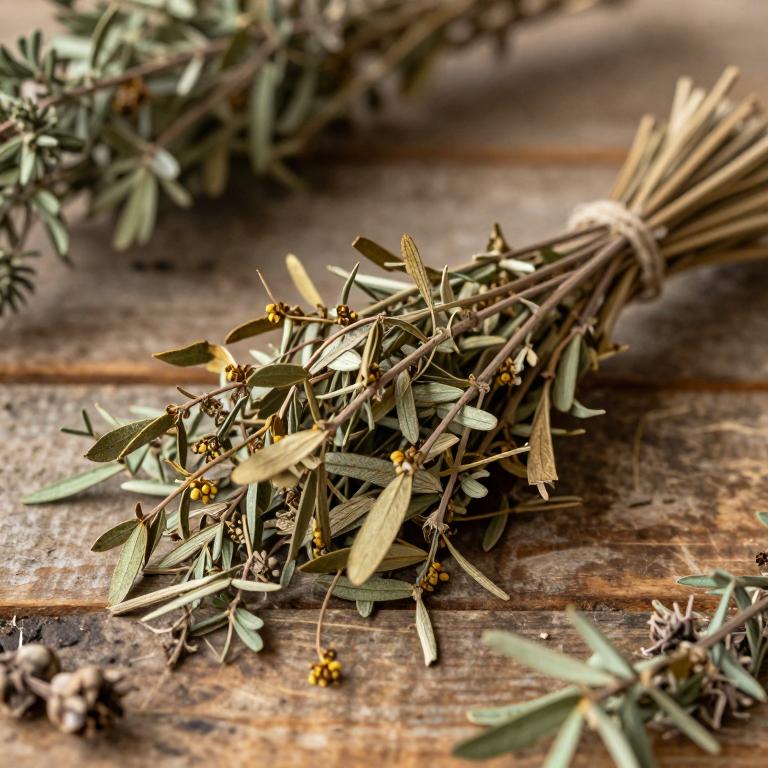
Melaleuca virens is a distinctive species of shrub known for its unique botanical characteristics. A key feature of this plant is its vibrant green leaf, which plays a vital role in its physiological processes. These leaves are typically arranged in a way that contributes to the plant's overall textured appearance. Studying the morphology of the leaf can provide important insights into the species' adaptation to its environment. Understanding these specific plant parts is essential for anyone interested in the diverse flora of the Melaleuca genus.
- Synonyms
- Callistemon Viridiflorus · Callistemon Viridiflorus Var. Violaceus · 3 more
- Common names
- Not available
- Family
- Myrtaceae
- Distribution
- Not available
- Plant Parts
- Leaf
Classification
Common Names
Melaleuca virens is a distinctive plant widely recognized by several different names depending on the region. In many English-speaking areas, it is most commonly referred to as the lime bottlebrush. This botanical species is also known by the name Каллистемон зеленоцветковый in certain contexts. These various labels all point to the same unique flowering shrub. Understanding these different designations helps gardeners and botanists identify the plant more easily.
Sources: Catalogue of Life (COL)
Synonyms
Melaleuca virens is a botanical subject that has been identified through several different scientific names over time. Its taxonomic history includes being classified as Callistemon salignus f. viridiflorus and Callistemon salignus var. viridiflorus. Researchers have also documented the plant under the synonyms Callistemon viridiflorus and Callistemon viridiflorus var. violaceus. Furthermore, it has previously been referred to in botanical literature as Metrosideros viridiflora. Understanding these various synonym relationships is essential for maintaining accurate records of the species' classification.
Sources: The World Checklist of Vascular Plants (WCVP)
Taxonomy
Melaleuca virens is a unique organism that belongs to the diverse kingdom Plantae. Within this vast biological realm, the species is classified under the class Equisetopsida. It further falls into the order Myrtales, showcasing its specific evolutionary lineage. As a member of the family Myrtaceae, it shares important characteristics with many other aromatic plants. Ultimately, this plant is defined by its placement within the genus Melaleuca.
| Rank | Classification |
|---|---|
| Kingdom | Plantae |
| Phylum | Streptophyta |
| Class | Equisetopsida |
| Subclass | Magnoliidae |
| Order | Myrtales |
| Family | Myrtaceae |
| Genus | Melaleuca |
Sources: The World Checklist of Vascular Plants (WCVP)
Distribution
Geographic Regions
Melaleuca virens is a distinct botanical species primarily found within the diverse landscapes of Australasia. Its natural range extends across much of the Australian continent, showcasing its ability to adapt to various local environments. In particular, the plant holds a notable presence in the unique ecosystems of Tasmania. This distribution highlights the specific ecological niches that the species occupies throughout the region. Understanding these geographic relationships is essential for studying the plant's role in its native habitats.
Sources: The World Checklist of Vascular Plants (WCVP)
Identification
Morphology
Melaleuca virens is characterized by its distinct shrub-like growth form. This plant remains entirely self-supporting as it develops within its natural habitat.
Sources: Global Inventory of Floras and Traits (GIFT)
Biological Activities
Compounds
Conditions
Melaleuca virens, represented here by the species Callistemon viridiflorus, demonstrates significant effects on RAW 264.7 macrophages proliferation when evaluated via the MTT assay. The ethanolic extract of its leaves, along with several isolated compounds, was specifically tested for this immunomodulatory activity. Results indicated that the leaf extract and compounds 1, 3, 4, 6, and 7 caused a significant increase in macrophage proliferation. This interaction suggests that the plant's polyphenolic constituents serve as effective agents in stimulating immune cell growth. Such findings highlight the plant's potential as a source of bioactive compounds for modulating macrophage response.
Preparations
Parts used
Melaleuca virens possesses distinct morphological characteristics, such as its specialized leaf structures. These botanical components serve as vital subjects for chemical investigation and biological study. By analyzing specific plant parts, researchers can isolate unique polyphenolic constituents with significant medicinal potential. Such studies often involve chromatographic separation to identify compounds that influence cellular responses. Ultimately, understanding these relationships helps determine how different plant parts can contribute to immunomodulatory therapies.