Melaleuca citrina
Melaleuca citrina · Accepted scientific name
Scientific literature: Sparse (59 studies) · ★★☆☆☆
, scientifically known as Melaleuca citrina, is a versatile medicinal shrub valued for its potent therapeutic properties. Renowned for its antimicrobial and anti-inflammatory qualities, this plant is frequently utilized in traditional healing to treat skin ailments and respiratory issues. Its essential oils offer a natural approach to holistic wellness.
- Family
- Not available
- Native range
- Europe
- Parts used
- Leaf · Flower
- Common names
- Not available
- Scientific synonyms
- Not available
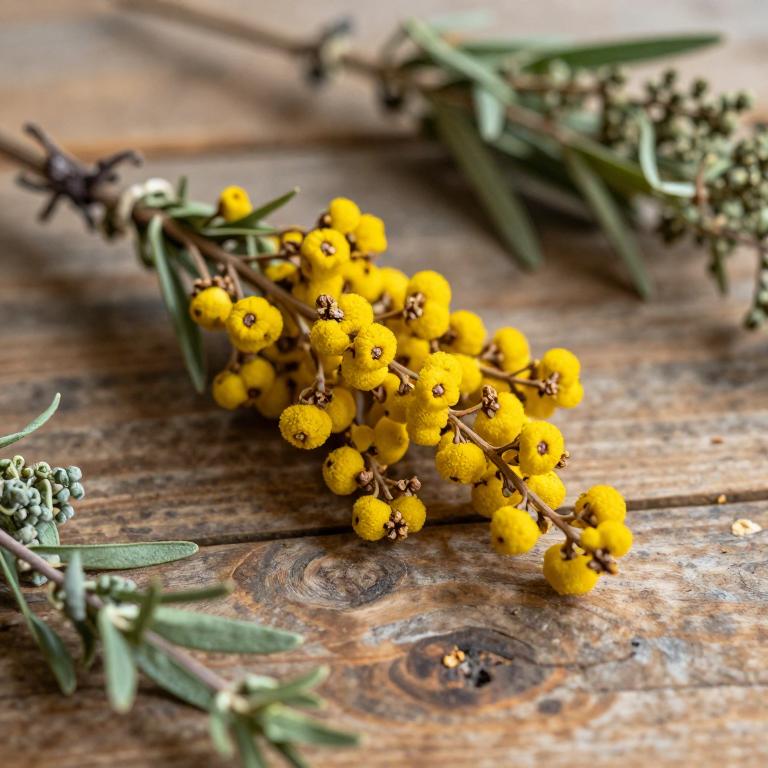
Names and Synonyms
Scientific Names
Accepted name
Melaleuca citrinaDistribution
This plant exhibits a diverse geographical distribution spanning several continents and distinct ecological zones. In Southeastern Europe, its presence is noted within the northwestern Balkan Peninsula. Its range extends significantly into East Tropical Africa, specifically within the countries of Kenya and Tanzania. Furthermore, the species can be found in the Western Indian Ocean, particularly around the Comoros. Finally, the plant reaches the Indian Subcontinent, where it is documented in the region of Assam.
| Region | Area |
|---|---|
| Southeastern Europe | NW. Balkan Pen. |
| East Tropical Africa | Kenya |
| East Tropical Africa | Tanzania |
| Western Indian Ocean | Comoros |
| Indian Subcontinent | Assam |
| Indian Subcontinent | India |
| Indo-China | Andaman Is. |
| Indo-China | Nicobar Is. |
| Australia | New South Wales |
| Australia | Queensland |
Sources: The World Checklist of Vascular Plants (WCVP)
Plant Parts
Melaleuca citrina has 3 reported plant parts identified across 8 scientific publications and several other databases that are studied for medicinal purposes. The most consistently reported plant part include leaf, flower, seed.
| Plant part | Supporting sources | Consensus |
|---|---|---|
| Leaf | 5 supporting sources | ★★★☆☆ |
| Flower | 2 supporting sources | ★☆☆☆☆ |
| Seed | 1 supporting sources | ★☆☆☆☆ |
Leaf
- Biomedicine & pharmacotherapy = Biomedecine & pharmacotherapie
- Phytochemical analysis : PCA
- Phytomedicine : international journal of phytotherapy and phytopharmacology
- Journal of chromatography. B, Analytical technologies in the biomedical and life sciences
- Antibiotics (Basel, Switzerland)
Flower
- Phytochemical analysis : PCA
- Journal of chromatography. B, Analytical technologies in the biomedical and life sciences
Seed
- Applied biochemistry and biotechnology
Chemicals
Melaleuca citrina has 15 reported phytochemicals identified across 8 scientific publications and several other databases. The most consistently reported chemicals include 1,8-Cineole, 2,3-Dihydro-3,5-dihydroxy-6-methyl-4h-pyran-4-one, Betulin, Eucalyptol, Flavonoid.
| Chemical | Supporting sources | Consensus |
|---|---|---|
| 1,8-Cineole | 1 supporting sources | ★☆☆☆☆ |
| 2,3-Dihydro-3,5-dihydroxy-6-methyl-4h-pyran-4-one | 1 supporting sources | ★☆☆☆☆ |
| Betulin | 1 supporting sources | ★☆☆☆☆ |
| Eucalyptol | 1 supporting sources | ★☆☆☆☆ |
| Flavonoid | 1 supporting sources | ★☆☆☆☆ |
| Flavonoids | 1 supporting sources | ★☆☆☆☆ |
| Gallic acid | 1 supporting sources | ★☆☆☆☆ |
| MME | 1 supporting sources | ★☆☆☆☆ |
| Methylene chloride | 1 supporting sources | ★☆☆☆☆ |
| Saponins | 1 supporting sources | ★☆☆☆☆ |
1,8-Cineole
- Phytomedicine : international journal of phytotherapy and phytopharmacology
2,3-Dihydro-3,5-dihydroxy-6-methyl-4h-pyran-4-one
- Biomedicine & pharmacotherapy = Biomedecine & pharmacotherapie
Betulin
- Dr. Duke
Eucalyptol
- Journal of food biochemistry
Flavonoid
- Journal of chromatography. B, Analytical technologies in the biomedical and life sciences
Flavonoids
- BMC complementary and alternative medicine
Gallic acid
- Journal of chromatography. B, Analytical technologies in the biomedical and life sciences
MME
- Journal of ethnopharmacology
Methylene chloride
- Journal of ethnopharmacology
Saponins
- BMC complementary and alternative medicine
Activities
Melaleuca citrina has 28 reported activities identified across 8 scientific publications and several other databases. The most consistently reported activities include Antioxidant, Antiinflammatory, Cytotoxic, Anthelmintic, AntiHIV.
| Activity | Supporting sources | Consensus |
|---|---|---|
| Antioxidant | 3 supporting sources | ★★☆☆☆ |
| Antiinflammatory | 2 supporting sources | ★☆☆☆☆ |
| Cytotoxic | 2 supporting sources | ★☆☆☆☆ |
| Anthelmintic | 1 supporting sources | ★☆☆☆☆ |
| AntiHIV | 1 supporting sources | ★☆☆☆☆ |
| Antibacterial | 1 supporting sources | ★☆☆☆☆ |
| Anticancer | 1 supporting sources | ★☆☆☆☆ |
| Anticarcinomic | 1 supporting sources | ★☆☆☆☆ |
| Antiedemic | 1 supporting sources | ★☆☆☆☆ |
| Antifeedant | 1 supporting sources | ★☆☆☆☆ |
Antioxidant
- Biomedicine & pharmacotherapy = Biomedecine & pharmacotherapie
- Journal of food biochemistry
- Journal of chromatography. B, Analytical technologies in the biomedical and life sciences
Antiinflammatory
- Dr. Duke
- BMC complementary and alternative medicine
Cytotoxic
- Dr. Duke
- BMC complementary medicine and therapies
Anthelmintic
- Dr. Duke
AntiHIV
- Dr. Duke
Antibacterial
- Dr. Duke
Anticancer
- Dr. Duke
Anticarcinomic
- Dr. Duke
Antiedemic
- Dr. Duke
Antifeedant
- Dr. Duke
Conditions
Melaleuca citrina has 1 reported investigations on conditions identified across 8 scientific publications and several other databases. The most consistently reported conditions include cancer.
| Condition | Supporting sources | Consensus |
|---|---|---|
| Cancer | 1 supporting sources | ★☆☆☆☆ |
Cancer
- Natural product research
Preparations
Melaleuca citrina has 9 reported preparations identified across 8 scientific publications and several other databases. The most consistently reported preparations include aerial part essential oil, aqueous extract of seeds, aqueous seeds extract, dry powdered, extract.
| Preparation | Supporting sources | Consensus |
|---|---|---|
| Aerial part essential oil | 1 supporting sources | ★☆☆☆☆ |
| Aqueous extract of seeds | 1 supporting sources | ★☆☆☆☆ |
| Aqueous seeds extract | 1 supporting sources | ★☆☆☆☆ |
| Dry powdered | 1 supporting sources | ★☆☆☆☆ |
| Extract | 1 supporting sources | ★☆☆☆☆ |
| Extracts from callistemon citrinus | 1 supporting sources | ★☆☆☆☆ |
| Hexane extract (he-c) | 1 supporting sources | ★☆☆☆☆ |
| Leaves | 1 supporting sources | ★☆☆☆☆ |
| Methylene chloride and methanol extracts | 1 supporting sources | ★☆☆☆☆ |
Aerial part essential oil
- Journal of food biochemistry
Aqueous extract of seeds
- Applied biochemistry and biotechnology
Aqueous seeds extract
- Applied biochemistry and biotechnology
Dry powdered
- Journal of the Egyptian Society of Parasitology
Extract
- Puerto Rico health sciences journal
Extracts from callistemon citrinus
- TheScientificWorldJournal
Hexane extract (he-c)
- Phytomedicine : international journal of phytotherapy and phytopharmacology
Leaves
- Antibiotics (Basel, Switzerland)
Methylene chloride and methanol extracts
- Journal of ethnopharmacology