Meconopsis
Meconopsis · Accepted scientific name
Scientific literature: Very Sparse (4 studies) · ★☆☆☆☆
Meconopsis is a genus of plants that possesses a diverse range of significant biological activities. It is recognized for its potent antimicrobial, antitumor, and antitussive properties, making it a subject of great medicinal interest. The plant is particularly rich in beneficial chemical compounds known as flavonoids. These bioactive constituents contribute to its ability to provide hepatoprotective effects against various ailments. Consequently, Meconopsis shows therapeutic promise in managing medical conditions such as hepatitis and pneumonia.
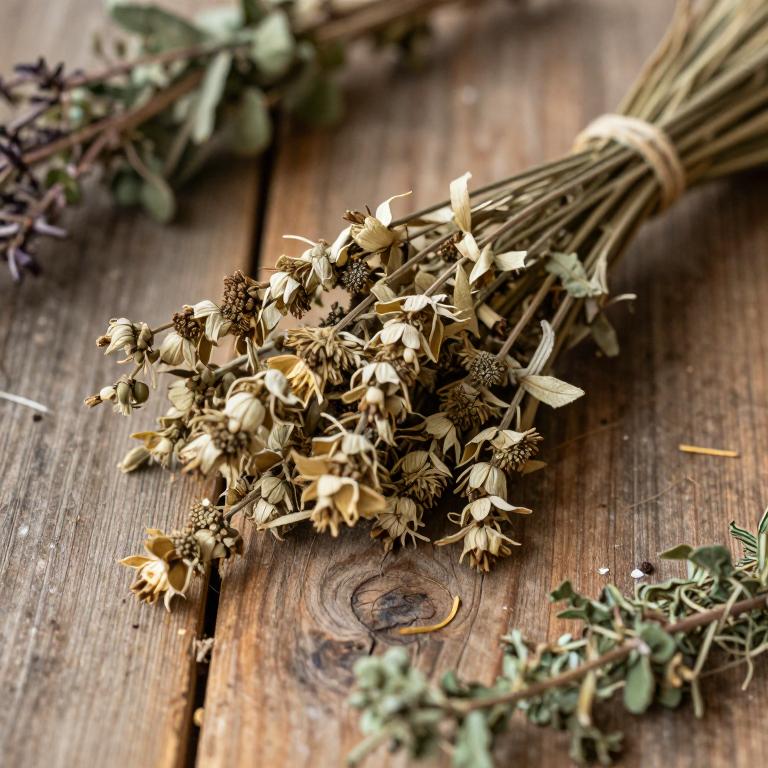
- Synonyms
- Not available
- Common names
- Not available
- Family
- Papaveraceae
- Distribution
- Not available
- Plant Parts
- Not available
Classification
Common Names
Meconopsis is a captivating genus of flowers that is widely recognized by several distinct regional names. Many gardeners and enthusiasts fondly refer to these striking blooms as Blue Poppies due to their ethereal coloration. In various parts of the world, they are also known by the common name Asiatic poppies. Depending on the local language, you might encounter them called Scheinmohne or mákovec. Furthermore, they are sometimes identified as pamak, showcasing the diverse linguistic heritage surrounding this beautiful plant.
Sources: Catalogue of Life (COL)
Taxonomy
Meconopsis belongs to the vast kingdom Plantae, representing a diverse group of multicellular organisms. Within this kingdom, it is classified under the class Equisetopsida. The plant further falls into the order Ranunculales, which helps define its evolutionary lineage. It is a member of the Papaveraceae family, a group known for its distinct floral characteristics. Ultimately, these traits define its specific identity within the genus Meconopsis.
| Rank | Classification |
|---|---|
| Kingdom | Plantae |
| Phylum | Streptophyta |
| Class | Equisetopsida |
| Subclass | Magnoliidae |
| Order | Ranunculales |
| Family | Papaveraceae |
| Genus | Meconopsis |
Sources: The World Checklist of Vascular Plants (WCVP)
Distribution
Geographic Regions
Meconopsis exhibits a widespread distribution throughout various temperate and tropical regions of Asia. Within China, these plants are found across North-Central and South-Central territories, as well as in the Qinghai province. Their presence also extends into the high-altitude landscapes of Tibet. Furthermore, the genus thrives within the East Himalaya region of the Indian Subcontinent. This diverse range highlights the remarkable adaptability of the species across different Asian climates.
Sources: The World Checklist of Vascular Plants (WCVP)
Identification
Biological Activities
Meconopsis plants have a long history of use in traditional Tibetan medicine for treating various ailments. Modern pharmacological research has further validated these traditional uses by demonstrating several significant biological activities. Specifically, studies have confirmed that the genus possesses potent antimicrobial and antitumor properties. Additionally, the plants exhibit beneficial antitussive effects and provide important hepatoprotective support. These diverse medicinal capabilities highlight the significant therapeutic potential held by the Meconopsis genus.
Compounds
Meconopsis plants, belonging to the Papaveraceae family, have long been utilized in traditional Tibetan medicine to treat various ailments. These plants are known for their ability to clear heat, reduce swelling, and alleviate significant pain. Detailed phytochemical investigations have confirmed that Meconopsis contains various bioactive compounds, including major isoquinoline alkaloids and flavonoids. The presence of these flavonoids contributes to the genus's diverse pharmacological profile, which includes antioxidant and anti-inflammatory activities. Ongoing research continues to explore these chemical components to better understand the medicinal value of the genus.
Conditions
Meconopsis is a genus of plants utilized in traditional Tibetan medicine for various therapeutic purposes. These plants are primarily prescribed to treat various heat syndromes by clearing heat from the body. Additionally, they are used as a medicinal remedy for managing hepatitis. The plants also serve as an effective treatment for relieving pain in joints. Finally, Meconopsis is employed in the treatment of pneumonia.