Meconopsis betonicifolia
Meconopsis betonicifolia · Accepted scientific name
Scientific literature: Very Sparse (10 studies) · ★☆☆☆☆
, scientifically known as Meconopsis betonicifolia, is a rare and striking medicinal plant endemic to specific high-altitude regions. Renowned for its unique botanical characteristics, this species is valued in traditional healing practices for its potent bioactive compounds, offering significant potential for pharmacological research and the development of natural remedies.
- Family
- Papaveraceae
- Native range
- Asia-Temperate
- Parts used
- Flower · Leaf
- Common names
- Not available
- Scientific synonyms
- Papaver Betonicifolium · Cathcartia Betonicifolia
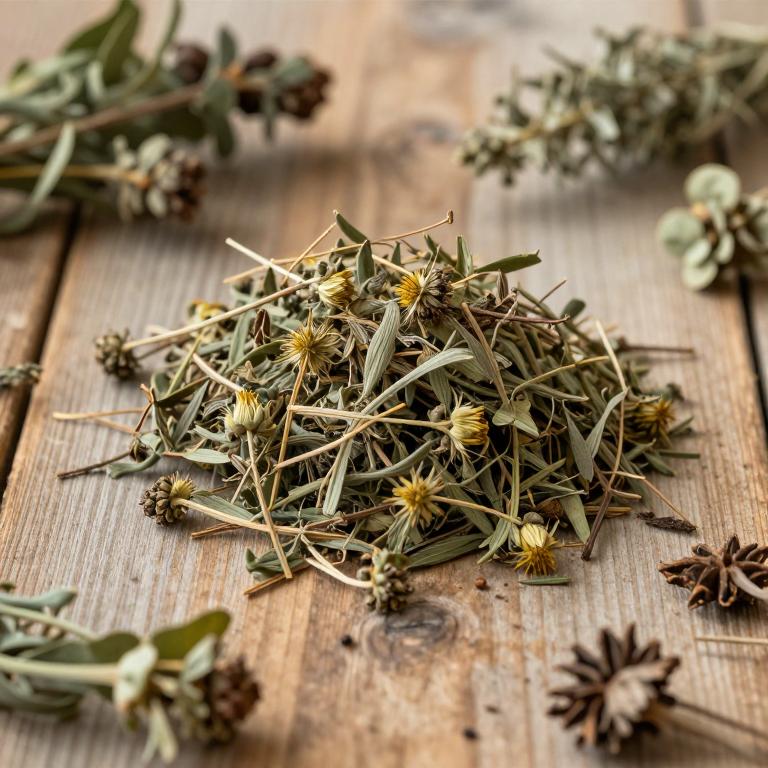
Names and Synonyms
Scientific Names
Accepted name
Meconopsis betonicifoliaSynonyms
- Papaver betonicifolium
- Cathcartia betonicifolia
Regional and Traditional Names
French:
- Pavot bleu de l'Himalaya
- Coquelicot bleu de l'himalaya
- Pavot bleu d'Himalaya
Sources: Wikidata
Taxonomical Classification
This plant belongs to the kingdom Plantae within the phylum Streptophyta and the class Equisetopsida. As a member of the subclass Magnoliidae and the order Ranunculales, it is classified under the family Papaveraceae. Finally, it is identified by the genus Meconopsis.
| Rank | Classification |
|---|---|
| Kingdom | Plantae |
| Phylum | Streptophyta |
| Class | Equisetopsida |
| Subclass | Magnoliidae |
| Order | Ranunculales |
| Family | Papaveraceae |
| Genus | Meconopsis |
Sources: The World Checklist of Vascular Plants (WCVP)
Distribution
This plant, known scientifically as Meconopsis betoniciifolia, possesses a very specific and limited natural range. Its geographical presence is concentrated within a single major region of the world. Specifically, this medicinal species can be found growing in the South-Central part of China. Because of this localized occurrence, it is considered a regional endemic to that particular area. Understanding this distribution is essential for conservation efforts and the study of its native habitat.
| Region | Area |
|---|---|
| China | China South-Central |
Sources: The World Checklist of Vascular Plants (WCVP)
Botanical Identification
Ecology
The ecology of Meconopsis betonicifolia is strictly defined by its specialized high-altitude habitat within montane ecosystems. This species thrives within a specific altitudinal belt, characterized by an elevational range that begins at a minimum of 3000 m AMSL and extends to a maximum of 4000 m AMSL. Throughout its distribution, the plant maintains a mean elevation of approximately 3500 m AMSL, suggesting a preference for the distinct climatic conditions, such as lower temperatures and high solar radiation, typical of these high-elevation zones.
- Elevational range max:
- 4000 m AMSL
- Elevational range mean:
- 3500 m AMSL
- Elevational range min:
- 3000 m AMSL
Life history
The life history of Meconopsis betoniciifolia is characterized by a variable lifecycle that can manifest as an annual, biennial, or perennial organism depending on environmental conditions and resource availability. Throughout its developmental stages, the plant undergoes distinct phases of germination, vegetative growth, and reproductive maturity. As it progresses through its life cycle, it navigates seasonal shifts to optimize its survival, moving from early seedling establishment to the production of complex structures required for seed dispersal. The variability in its longevity allows the species to adapt to fluctuating habitats, ensuring that it can complete its reproductive cycle even in unpredictable ecological settings.
- Lifecycle :
- annual
Morphology
The morphology of Meconopsis betoniciifolia is characterized by its growth form as a herb, manifesting as a non-woody plant. In its structural development, it functions as a self-supporting climber, utilizing its herbaceous stems to ascend without the need for external support structures.
- Climber :
- self-supporting
- Growth form :
- herb
- Woodiness :
- non-woody
Physiology
The physiology of Meconopsis betonicifolia is characterized by a C3 photosynthetic pathway, which dictates its carbon fixation processes and metabolic efficiency within its specific ecological niche. The morphology of its foliage plays a critical role in its gas exchange and light interception capabilities, with leaf dimensions exhibiting significant variability. Specifically, the leaves demonstrate a mean length of 10 cm, though individual specimens range from a minimum length of 5 cm to a maximum length of 15 cm. This variation in leaf size likely influences the plant's surface-area-to-volume ratio, impacting its transpiration rates and overall water-use efficiency during metabolic activity.
- Leaf length max:
- 15 cm
- Leaf length mean:
- 10 cm
- Leaf length min:
- 5 cm
- Photosynthetic pathway :
- C3
Reproduction
The reproductive cycle of Meconopsis betonicifolia is characterized by distinct floral and fruit dimensions that facilitate its propagation. The flowering stage produces blossoms that vary in size, with flower lengths ranging from a minimum of 6 cm to a maximum of 8 cm. Following successful pollination, the plant develops fruit that exhibit significant morphological variability. The resulting fruits possess a mean length of 3.25 cm, though they can range from as short as 2 cm to a maximum length of 4.5 cm. In terms of diameter, the fruit width maintains a mean of 1.25 cm, with individual specimens measuring between a minimum of 1 cm and a maximum width of 1.5 cm.
- Flower length max:
- 8 cm
- Flower length min:
- 6 cm
- Fruit length max:
- 4.5 cm
- Fruit length mean:
- 3.25 cm
- Fruit length min:
- 2 cm
- Fruit width max:
- 1.5 cm
- Fruit width mean:
- 1.25 cm
- Fruit width min:
- 1 cm
Sources: Global Inventory of Floras and Traits (GIFT)
Plant Parts
Meconopsis betonicifolia has 4 reported plant parts identified across 4 scientific publications and several other databases that are studied for medicinal purposes. The most consistently reported plant part include flower, leaf, root, stem.
| Plant part | Supporting sources | Consensus |
|---|---|---|
| Flower | 1 supporting sources | ★☆☆☆☆ |
| Leaf | 1 supporting sources | ★☆☆☆☆ |
| Root | 1 supporting sources | ★☆☆☆☆ |
| Stem | 1 supporting sources | ★☆☆☆☆ |
Flower
- The Plant journal : for cell and molecular biology
Leaf
- The Plant journal : for cell and molecular biology
Root
- The Plant journal : for cell and molecular biology
Stem
- The Plant journal : for cell and molecular biology
Chemicals
Meconopsis betonicifolia has 2 reported phytochemicals identified across 4 scientific publications and several other databases. The most consistently reported chemicals include Codeinone, Salutaridine.
| Chemical | Supporting sources | Consensus |
|---|---|---|
| Codeinone | 1 supporting sources | ★☆☆☆☆ |
| Salutaridine | 1 supporting sources | ★☆☆☆☆ |
Codeinone
- The Plant journal : for cell and molecular biology
Salutaridine
- The Plant journal : for cell and molecular biology
Activities
Meconopsis betonicifolia has 2 reported activities identified across 4 scientific publications and several other databases. The most consistently reported activities include Analgesic, Antispasmodic.
| Activity | Supporting sources | Consensus |
|---|---|---|
| Analgesic | 1 supporting sources | ★☆☆☆☆ |
| Antispasmodic | 1 supporting sources | ★☆☆☆☆ |
Analgesic
- The Plant journal : for cell and molecular biology
Antispasmodic
- The Plant journal : for cell and molecular biology
Conditions
Meconopsis betonicifolia has 2 reported investigations on conditions identified across 4 scientific publications and several other databases. The most consistently reported conditions include analgesic, antispasmodic.
| Condition | Supporting sources | Consensus |
|---|---|---|
| Analgesic | 1 supporting sources | ★☆☆☆☆ |
| Antispasmodic | 1 supporting sources | ★☆☆☆☆ |
Analgesic
- The Plant journal : for cell and molecular biology
Antispasmodic
- The Plant journal : for cell and molecular biology