Maytenus erythroxylon
Maytenus erythroxylon · Accepted scientific name
Scientific literature: Very Sparse (7 studies) · ★☆☆☆☆
, scientifically known as Maytenus erythroxylon, is a versatile medicinal shrub deeply rooted in traditional healing practices. Renowned for its potent bioactive compounds, this plant offers significant therapeutic potential, particularly in treating inflammation and skin ailments. Exploring its phytochemical properties reveals its vital role in modern natural pharmacology.
- Family
- Celastraceae
- Native range
- Southern America
- Parts used
- Not available
- Common names
- Not available
- Scientific synonyms
- Monteverdia Erythroxylon · Maytenus Controversa
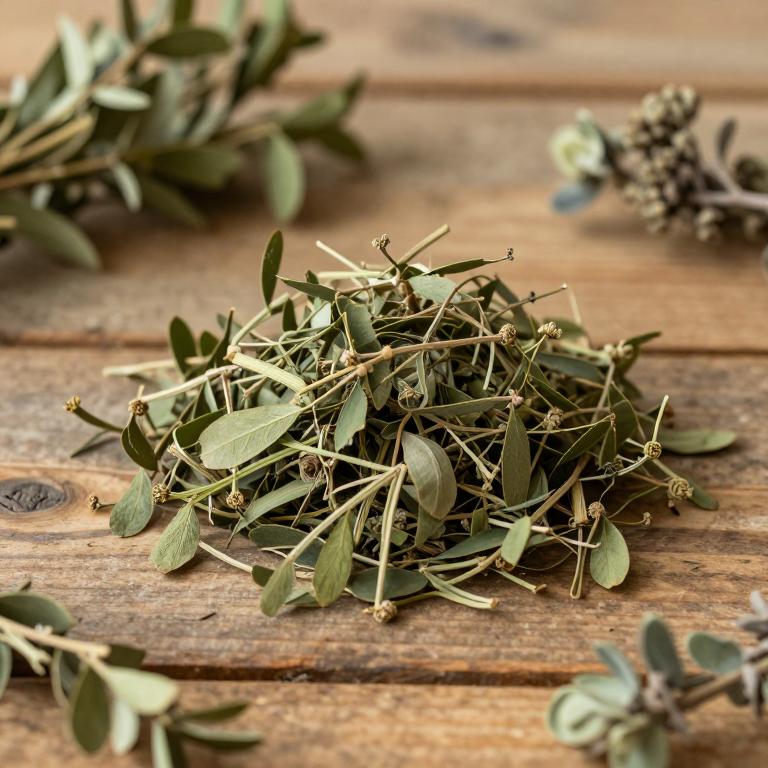
Names and Synonyms
Scientific Names
Accepted name
Maytenus erythroxylonSynonyms
- Monteverdia erythroxylon
- Maytenus controversa
Sources: Wikidata
Taxonomical Classification
This plant belongs to the kingdom Plantae within the phylum Streptophyta and is classified under the class Equisetopsida. As a member of the subclass Magnoliidae and the order Celastrales, it is further categorized into the family Celaestraceae. Finally, it is identified by the genus Maytenus.
| Rank | Classification |
|---|---|
| Kingdom | Plantae |
| Phylum | Streptophyta |
| Class | Equisetopsida |
| Subclass | Magnoliidae |
| Order | Celastrales |
| Family | Celastraceae |
| Genus | Maytenus |
Sources: The World Checklist of Vascular Plants (WCVP)
Distribution
This plant is specifically located within the southeastern region of Brazil. Its natural habitat is concentrated in this particular part of the country. Because of this localized presence, its geographical range is considered quite specific. Researchers studying its ecology focus primarily on these Brazilian territories. Consequently, the species is a characteristic element of the southeastern landscape.
| Region | Area |
|---|---|
| Brazil | Brazil Southeast |
Sources: The World Checklist of Vascular Plants (WCVP)
Botanical Identification
Ecology
The ecology of Maytenus erythroxylon is characterized by its significant adaptability across diverse and often challenging Brazilian ecosystems. It is widely distributed within the Caatinga (strictu sensu), where it thrives in semi-arid conditions, as well as in the Cerrado (lato sensu) and the coastal Restinga formations. This broad range of habitats indicates a high tolerance for varying soil types and moisture availability. Furthermore, the species demonstrates a notable capacity for resilience in anthropic areas (Área Antrópica), suggesting it can persist in landscapes modified by human activity, such as disturbed soils or secondary vegetation regrowth.
- Habitat :
- Área Antrópica, Caatinga (stricto sensu), Cerrado (lato sensu), Restinga
Morphology
The morphology of Maytenus erythroxylon is characterized by a woody growth form that manifests primarily as a tree or a shrub. This plant is a terrestrial species, functioning as an independent organism without parasitic tendencies. It is a self-supporting structure rather than a climber or an epiphyte, maintaining a stable upright habit. In terms of scale, the plant reaches a maximum height of approximately 5 meters.
- Aquatic :
- terrestrial
- Climber :
- self-supporting
- Epiphyte :
- terrestrial
- Growth form :
- tree
- Growth form :
- shrub
- Parasite :
- independent
- Plant height max:
- 5 m
- Woodiness :
- woody
Sources: Global Inventory of Floras and Traits (GIFT)
Chemicals
Maytenus erythroxylon has 5 reported phytochemicals identified across 0 scientific publications and several other databases. The most consistently reported chemicals include Flavonoids, Saponins, Steroids, Tannins, Triterpenes.
| Chemical | Supporting sources | Consensus |
|---|---|---|
| Flavonoids | 1 supporting sources | ★☆☆☆☆ |
| Saponins | 1 supporting sources | ★☆☆☆☆ |
| Steroids | 1 supporting sources | ★☆☆☆☆ |
| Tannins | 1 supporting sources | ★☆☆☆☆ |
| Triterpenes | 1 supporting sources | ★☆☆☆☆ |
Flavonoids
- World journal of gastroenterology
Saponins
- World journal of gastroenterology
Steroids
- World journal of gastroenterology
Tannins
- World journal of gastroenterology
Triterpenes
- World journal of gastroenterology
Activities
Maytenus erythroxylon has 1 reported activities identified across 0 scientific publications and several other databases. The most consistently reported activities include Antisecretory.
| Activity | Supporting sources | Consensus |
|---|---|---|
| Antisecretory | 1 supporting sources | ★☆☆☆☆ |
Antisecretory
- World journal of gastroenterology
Conditions
Maytenus erythroxylon has 1 reported investigations on conditions identified across 0 scientific publications and several other databases. The most consistently reported conditions include diarrhea.
| Condition | Supporting sources | Consensus |
|---|---|---|
| Diarrhea | 1 supporting sources | ★☆☆☆☆ |
Diarrhea
- World journal of gastroenterology
Preparations
Maytenus erythroxylon has 1 reported preparations identified across 0 scientific publications and several other databases. The most consistently reported preparations include ethanol extract.
| Preparation | Supporting sources | Consensus |
|---|---|---|
| Ethanol extract | 1 supporting sources | ★☆☆☆☆ |
Ethanol extract
- World journal of gastroenterology