Maytenus chiapensis
Maytenus chiapensis · Accepted scientific name
Scientific literature: Very Sparse (0 studies) · ★☆☆☆☆
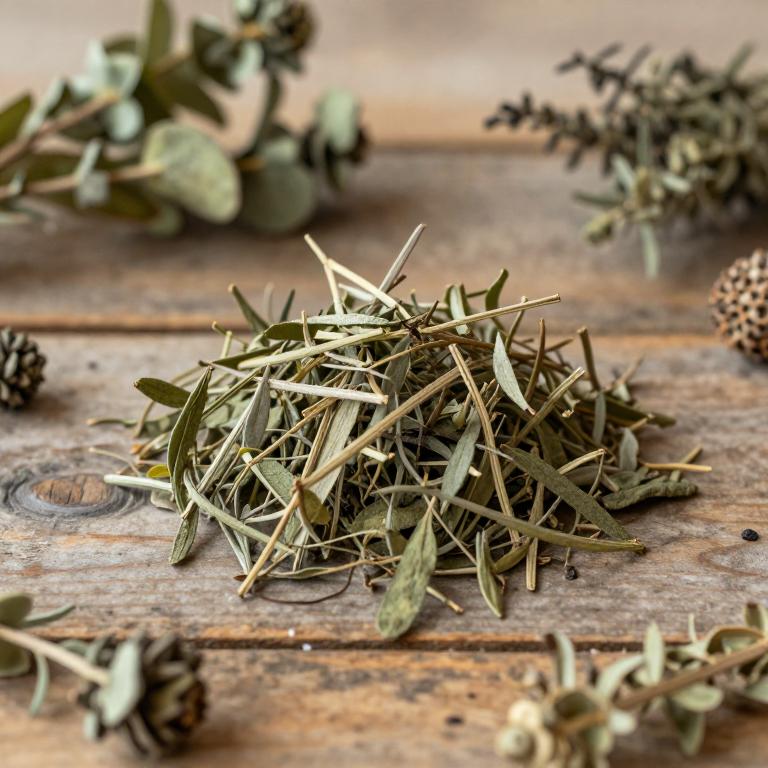
Maytenus chiapensis is a distinct botanical species primarily recognized for its unique leaf characteristics. These leaves serve as the fundamental component for various traditional and scientific preparations. By utilizing the foliage, researchers can explore the specific chemical properties inherent to the plant. Understanding the structure and composition of these leaves is essential for identifying the plant's potential uses. Consequently, studying this species provides valuable insights into the diverse flora of its native habitat.
- Synonyms
- Monteverdia Chiapensis
- Common names
- Not available
- Family
- Celastraceae
- Distribution
- Not available
- Plant Parts
- Leaf
Classification
Synonyms
Maytenus chiapensis is a botanical species that is also identified by the synonym Monteverdia chiapensis. This taxonomic overlap highlights the complex history of classification within the plant kingdom. Researchers often encounter both names when studying the specific characteristics of this particular organism. Understanding these linguistic relationships is essential for maintaining accuracy in scientific documentation. Consequently, recognizing these synonyms ensures that botanical data remains consistent across various databases.
Sources: The World Checklist of Vascular Plants (WCVP)
Taxonomy
Maytenus chiapensis belongs to the vast kingdom Plantae, representing a diverse branch of the natural world. This specific species is classified under the class Equisetopsida and falls within the order Celastrales. As a member of the Celastraceae family, it shares distinct botanical characteristics with its close relatives. Its taxonomic identity is further defined by its placement within the genus Maytenus. Understanding these biological relationships provides essential insight into the evolutionary history of this unique plant.
| Rank | Classification |
|---|---|
| Kingdom | Plantae |
| Phylum | Streptophyta |
| Class | Equisetopsida |
| Subclass | Magnoliidae |
| Order | Celastrales |
| Family | Celastraceae |
| Genus | Maytenus |
Sources: The World Checklist of Vascular Plants (WCVP)
Distribution
Geographic Regions
Maytenus chiapensis exhibits a broad and diverse geographical range that spans across multiple continents. Its distribution begins in Northern America, specifically within the varied landscapes of Mexico and its southeastern regions. Moving southward, the plant is well-established throughout Central America, including parts of El Salvador and Guatemala. This widespread presence also extends into the lush environments of Southern America. Ultimately, these interconnected regions highlight the remarkable adaptability of the species across different tropical and subtropical climates.
Sources: The World Checklist of Vascular Plants (WCVP)
Identification
Morphology
Maytenus chiapensis is characterized by its distinct growth form as a tree. As a self-supporting species, it maintains its structure and stability independently within its habitat.
Sources: Global Inventory of Floras and Traits (GIFT)
Biological Activities
Compounds
Conditions
Maytenus chiapensis contains specific dihydro-beta-agarofuran sesquiterpenes that demonstrate biological potential. Among the five new compounds isolated from its leaves, compound 4 is of particular pharmacological interest. This specific constituent exhibited activity against a multidrug-resistant line of Leishmania tropica. The study utilized advanced NMR techniques and CD studies to characterize these active structures. Consequently, the plant serves as a source of chemical compounds capable of addressing resistant parasitic infections.
Preparations
Maytenus chiapensis is prepared as leaves to facilitate the isolation of various insecticidal sesquiterpene pyridine alkaloids. These specific leaves serve as the source for newly identified compounds such as chiapenines ES-I through ES-IV. In addition to these new structures, several known alkaloids like wilfordine and euonine are extracted from the plant material. The chemical profiles obtained from these leaves are analyzed using advanced 1D and 2D NMR spectroscopy. Ultimately, the bioactive substances derived from these leaves demonstrate significant antifeedant activity against pests like Spodoptera littoralis.
Parts used
Maytenus chiapensis serves as a rich source of diverse chemical compounds found primarily within its leaves. Researchers have successfully isolated five new dihydro-beta-agarofuran sesquiterpenes from this specific plant part. Additionally, the foliage contains several unique sesquiterpene pyridine alkaloids, including the newly identified chiapenines. These leaf-derived compounds have demonstrated significant biological potential, such as activity against multidrug-resistant Leishmania tropica. Furthermore, certain alkaloids extracted from the leaves exhibit strong antifeedant properties against pests like Spodoptera littoralis.