Maxillaria
Maxillaria · Accepted scientific name
Scientific literature: Very Sparse (0 studies) · ★☆☆☆☆
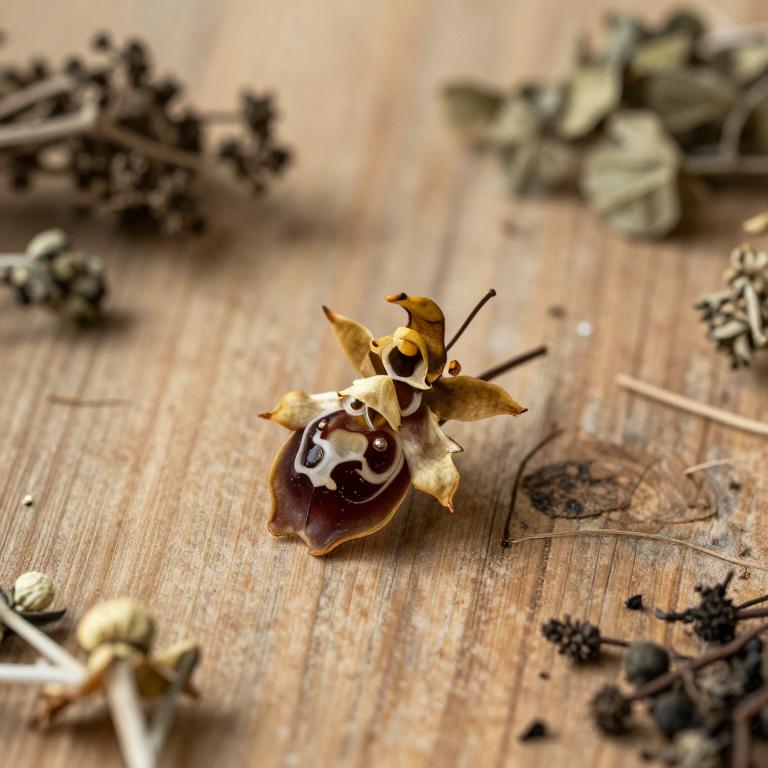
Maxillaria represents a fascinating genus of orchids known for its diverse range of striking floral displays. Beyond their aesthetic appeal, certain species within this group possess significant medicinal properties. They are particularly valued for their antiallergic effects, helping to soothe various sensitivities. Additionally, the plant exhibits spasmolytic qualities that can assist in relaxing muscle contractions. Exploring this genus offers a unique intersection between botanical beauty and therapeutic potential.
- Synonyms
- Camaridium · Cryptocentrum · 37 more
- Common names
- Not available
- Family
- Orchidaceae
- Distribution
- Southern America
- Plant Parts
- Not available
Classification
Common Names
Maxillaria is a fascinating genus of orchids known by several distinct and evocative common names. Depending on the region or specific species, they are frequently referred to as maxilária. Some enthusiasts also call them tiger orchids due to the striking patterns found on their petals. In certain Spanish-speaking areas, they are popularly recognized as Orquídeas de mandíbulas. This variety of names highlights the diverse and beautiful characteristics that define this unique group of plants.
Sources: Catalogue of Life (COL)
Synonyms
Maxillaria serves as a broad taxonomic umbrella that encompasses several historically distinct genera. Within this complex classification, various groups have been reclassified, such as the former genus Adamanthus. Similarly, several plants once categorized under Anthosiphon and Aucellia are now recognized as members of this larger group. The taxonomic shifts also include the integration of Bolbidium and Brasiliorchis into the Maxillaria lineage. These synonym relationships highlight the evolving nature of botanical science and the ongoing refinement of orchid classifications.
Sources: The World Checklist of Vascular Plants (WCVP)
Taxonomy
Maxillaria is a fascinating group of plants that belongs to the expansive kingdom Plantae. Within this biological kingdom, it is classified under the class Equisetopsida. This group follows the evolutionary lineage of the order Asparagales, showcasing its complex botanical connections. It is a distinguished member of the family Orchidaceae, a group known for its diverse and striking floral displays. Ultimately, these plants are defined by their unique characteristics as part of the genus Maxillaria.
| Rank | Classification |
|---|---|
| Kingdom | Plantae |
| Phylum | Streptophyta |
| Class | Equisetopsida |
| Subclass | Magnoliidae |
| Order | Asparagales |
| Family | Orchidaceae |
| Genus | Maxillaria |
Sources: The World Checklist of Vascular Plants (WCVP)
Distribution
Geographic Regions
Maxillaria exhibits a wide and diverse distribution throughout North America, with a particular stronghold in Mexico. These plants can be found sprawling across the central regions of Mexico, establishing a presence in the heart of the country. Their reach extends into the Gulf areas and the northeast, demonstrating significant adaptability to different climates. Additionally, they inhabit the northwest and southeast territories, covering nearly every major corner of the Mexican landscape. This extensive geographical spread highlights the remarkable resilience and variety within the Maxillaria genus.
Sources: The World Checklist of Vascular Plants (WCVP)
Identification
Biological Activities
Compounds
Conditions
Maxillaria contains phenanthrene compounds that have been studied for their significant medicinal properties. These biological activities include the ability to treat anti-inflammatory conditions and provide antiallergic effects. Additionally, the plant demonstrates useful antimicrobial capabilities in various pharmacological studies. Research also indicates that these compounds can treat antiplatelet aggregation. Finally, the chemical constituents of Maxillaria have been examined for their ability to treat cytotoxicity.