Matricaria
Matricaria · Accepted scientific name
Scientific literature: Very Sparse (0 studies) · ★☆☆☆☆
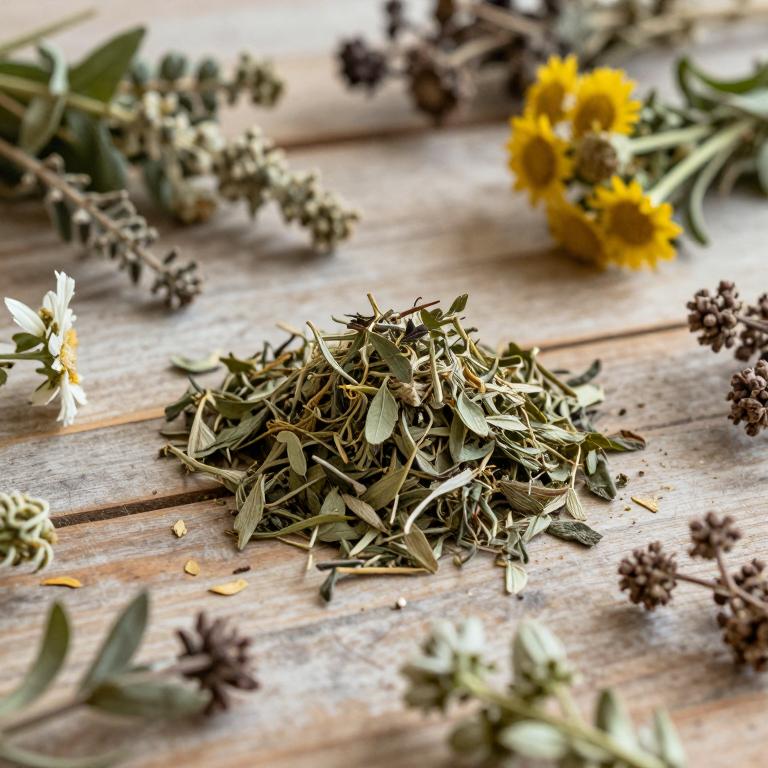
Matricaria, commonly known as chamomile, is a beloved flowering herb celebrated for its gentle and soothing properties. These delicate, daisy-like blooms are most frequently harvested to create a calming herbal infusion. When prepared as a tea, the blossoms release a sweet, apple-like aroma that helps ease tension and promote relaxation. This fragrant preparation is widely used as a natural remedy to aid sleep and soothe digestive discomfort. Integrating a warm cup of Matricaria into your nightly routine can provide a peaceful transition into rest.
- Synonyms
- Akylopsis · Cotulina · 5 more
- Common names
- Not available
- Family
- Asteraceae
- Distribution
- Southern America
- Plant Parts
- Not available
Classification
Common Names
Matricaria is a versatile genus known by a diverse array of common names across different cultures and languages. In German-speaking regions, it is frequently referred to as Kamille, Kamille (Matricaria-slægten), or Kamillen. It is also widely recognized by the names German chamomiles and pineapple-weeds in English contexts. Furthermore, the plant carries the descriptive titles of Manzanillas y gamarzas in Spanish-speaking areas. This variety of nomenclature reflects the widespread global presence and cultural importance of the plant.
Sources: Catalogue of Life (COL)
Synonyms
Matricaria is a botanical genus that has been subject to various taxonomic reclassifications over time. Throughout scientific history, it has been associated with several different names, including the synonyms Akylopsis and Cenocline. Researchers have also frequently utilized the terms Chamaemelum and Chamomilla when referring to its various species. Additionally, the name Cotulina has appeared in historical literature as a related synonym within the plant's complex lineage. Understanding these diverse nomenclatural connections is essential for accurate identification in modern botany.
Sources: The World Checklist of Vascular Plants (WCVP)
Taxonomy
Matricaria belongs to the diverse kingdom Plantae, representing a fundamental part of the natural world. Within this vast kingdom, it is classified under the class Equisetopsida. The plant follows the biological order Asterales, which connects it to a specific lineage of flowering species. It is further organized into the family Asteraceae, a group known for its characteristic composite flower heads. Finally, Matricaria is defined by its own distinct genus, marking its unique place in botanical taxonomy.
| Rank | Classification |
|---|---|
| Kingdom | Plantae |
| Phylum | Streptophyta |
| Class | Equisetopsida |
| Subclass | Magnoliidae |
| Order | Asterales |
| Family | Asteraceae |
| Genus | Matricaria |
Sources: The World Checklist of Vascular Plants (WCVP)
Distribution
Geographic Regions
Matricaria exhibits a widespread presence across the African continent, stretching from the northern reaches down through diverse ecological zones. In the north, its distribution includes specific territories such as Algeria and Egypt. The genus also extends into the Macaronesia region, encompassing the Azores and the Canary Islands. Further exploration of its range reveals a presence in Northeast Tropical Africa, with notable sightings in Ethiopia. Ultimately, these varied locations highlight the plant's adaptability to both Mediterranean and tropical environments.
Sources: The World Checklist of Vascular Plants (WCVP)
Identification
Biological Activities
Compounds
Conditions
Preparations
Matricaria is identified as one of the most frequently used plant taxa for making tea among the study's respondents. Within the context of Estonian traditions, this plant is categorized among those utilized for both recreational and medicinal purposes. It appears as one of the top ten most used taxa, highlighting its significance in local tea-making practices. The use of Matricaria falls along a continuum where the distinction between leisure and healing is often blurred. Consequently, this plant serves as a key example of how certain species are integrated into the cultural landscape of tea consumption.